Every functional drink starts with a promise on the label. The ingredients have to keep it.
Gut. Focus. Calm. Energy. It's easy to pick a benefit and find an ingredient that sounds right for it. The hard part is making sure that ingredient still works when someone opens the bottle six months later.
So here's a plain guide to functional beverage ingredients: the main types, what they're good for, and the four checks that stop a great idea turning into an expensive mistake.
What Makes a Functional Beverage Ingredient Work?
A healthy-sounding name isn't enough. An ingredient earns its place when two things are true.
- There's enough of it. The dose in each serving matches what's been shown to make a difference.
- It lasts. That dose is still there at the end of shelf life, after heat, time and light have had their go.
Miss either one and you've got an expensive ingredient doing nothing.
Adaptogens are a good example of this. Lots of drinks carry 50 to 100 mg of ashwagandha. The studies people quote often used 300 to 600 mg a day. It's possible to close that gap, but only if you plan for it from day one.
Trends get an ingredient onto the brief. Dose and shelf life decide if it stays.
The Main Types of Functional Beverage Ingredients
Here's a quick map of what most drinks brands work with.
| Type | Examples | What it's used for | Watch out for |
|---|---|---|---|
| Vitamins and minerals | Vitamin C, B vitamins, magnesium | Energy, immunity, everyday wellness | Some break down with heat and air |
| Electrolytes | Sodium, potassium | Hydration | Most useful after exercise or heat |
| Caffeine | Green tea, guarana, yerba maté | Energy and focus | Total caffeine limits per serving |
| Botanicals | Ginger, turmeric, hibiscus | Digestion and wellness | Bitterness at higher doses |
| Adaptogens | Ashwagandha, lion's mane | Calm and focus | Doses in drinks are often too low |
| Fermented bases | Kombucha base, water kefir base | Gut health positioning, natural acidity, flavour | Choose a consistent, certified supplier |
A couple of these ingredients need extra care. Botanicals and adaptogens can interact with some medicines. Hibiscus, for example, can add to the effect of blood pressure tablets. Check these early, so any warning on the label is planned rather than rushed.
Probiotics vs Fermented Bases: What's the Difference?
People often mix these up. In a factory, they behave very differently.
Probiotics are live bacteria. To do anything, they have to survive heat, acid, fizz and months on a shelf. That makes them one of the trickiest ingredients to keep stable.
Fermented bases arrive with the fermentation already done. You get the natural acidity, low sugar and deep flavour that fermentation brings, without running live cultures through your own plant. It's why so many kombucha, water kefir and modern soda launches start from one. We explain the bigger picture in our guide to what functional beverages are and how they're made.
Will Your Functional Ingredients Survive the Shelf?
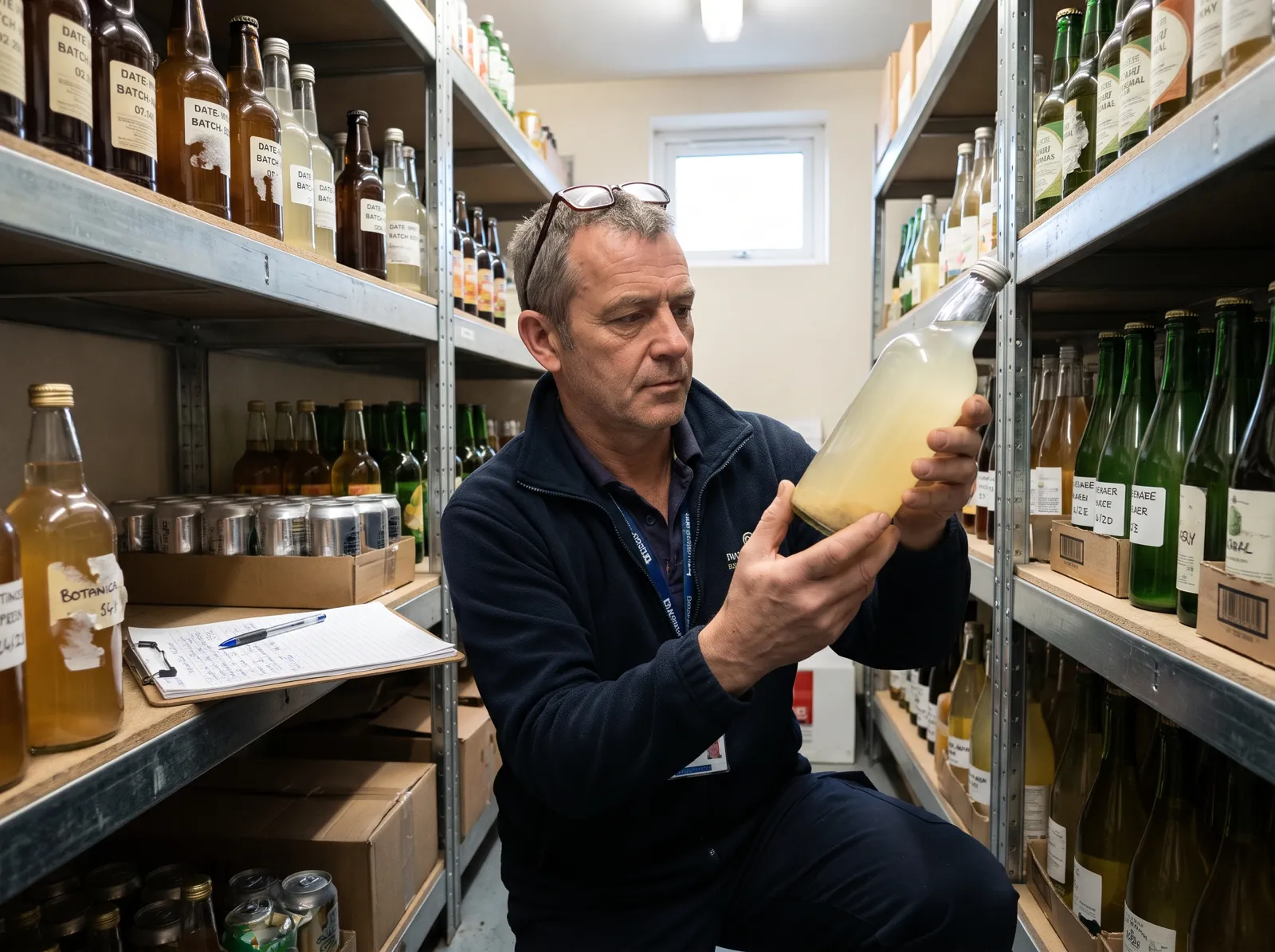
Picture this. Your team signs off a new drink. The lab samples taste great and the numbers look right.
Three months into a trial run, the vitamin C has faded, a fine sediment has settled at the bottom, and the flavour has gone flat.
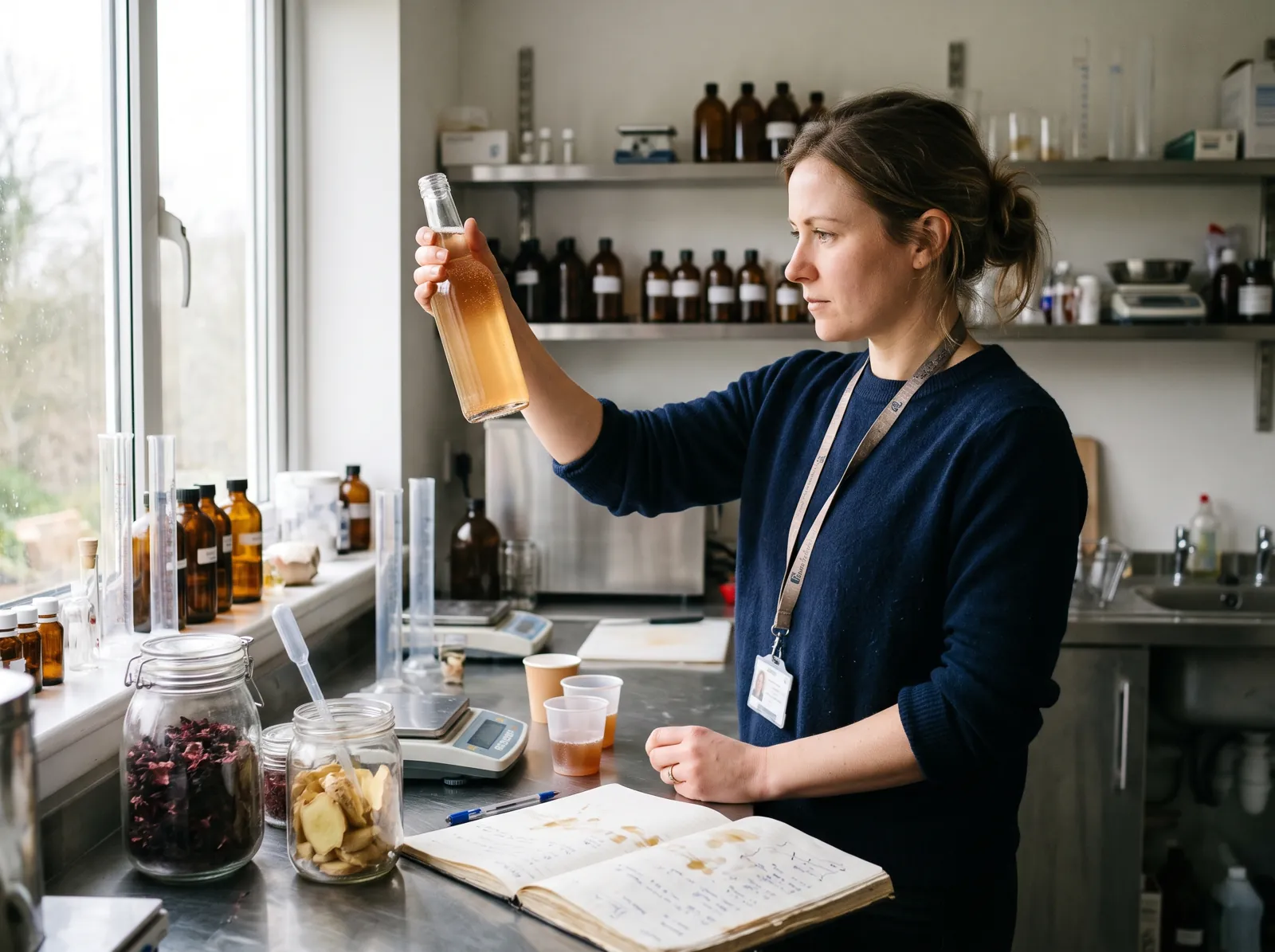
That's what heat, acid, oxygen and light do over time. A certificate tells you what arrived at your door. Only testing the finished drink, in its real bottle or can, tells you what the customer gets.
So test the finished drink. Test it in its final pack. And test it for its full shelf life. A clear bottle lets light in, and that can be enough to undo a good formula.
Do Your Ingredients Get On With Each Other?
Some ingredients don't mix well. Minerals can react with acids and leave a cloudy haze. Botanicals can turn a drink bitter. Bubbles can stress live cultures.
You only find these clashes in the finished drink. Run small trials early, and taste as you go. A drink that's good for people but tastes bad won't get bought twice.
What Can You Say on Your Functional Drink's Label?
This is where many launches get caught out late.
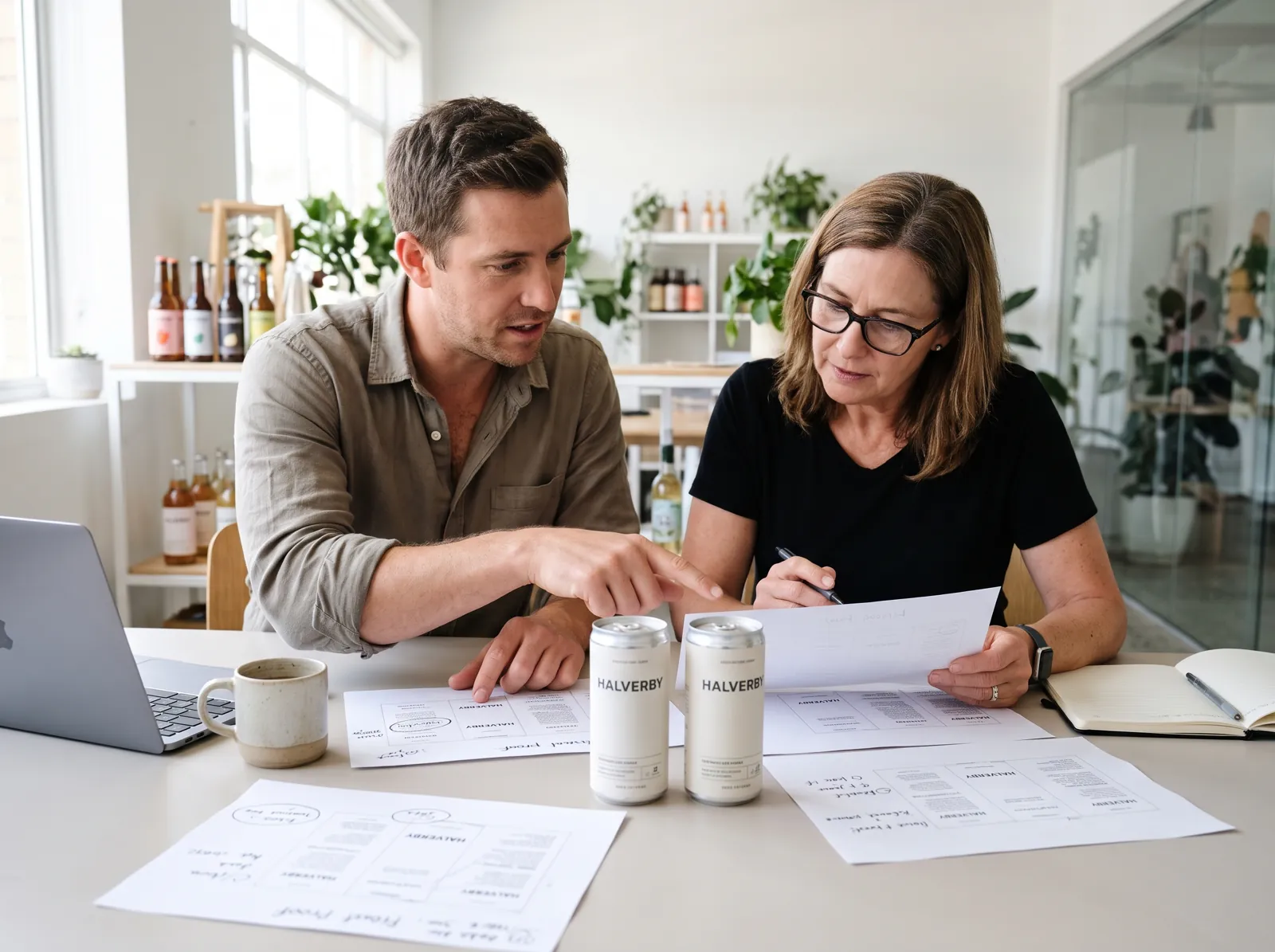
Health claim rules change from country to country. The US, the EU, the UK, Australia and the Gulf states all have their own systems. Some only allow claims from an approved list, worded exactly as written. Others give you more freedom, as long as you can back up what you say.
A few things hold true almost everywhere. Many claims need a minimum amount of the ingredient in each serving. Alcoholic drinks are usually far more limited in what they can say. And a label that works in one market may not work in the next.
So before you lock your recipe, talk to a regulatory specialist who knows each market you plan to sell in. Your distributors and retail partners can often point you to the right people.
Then work backwards. Decide what you want to say first. Then choose the ingredient, dose and format that let you say it.
How Ready-to-Blend Fermented Bases Make Production Easier
Brewing your own ferment means managing temperature, timing and live cultures on every batch. Small slips add up to changes in taste, acidity and alcohol. And the more you make, the harder it gets.
Our organic fermented bases take that job off your plate. They're fermented for up to six months, always under 0.5% ABV, and ready to blend straight into kombucha, water kefir, modern sodas and no and low alcohol drinks. Every base is organic, SQF and GFSI accredited, kosher and halal, which makes retail conversations easier from day one.
You'll still test your finished drink. But you'll start from the same reliable base every time, so your team can spend its energy on the flavours and functions that make your product stand out.
Choosing Functional Beverage Ingredients: The Short Version
Pick ingredients you can dose properly. Make sure they survive your process and your pack. And plan your label claims before you plan your recipe.
Do that, and your drink keeps its promise from the first sip to the last day on shelf.
Want to see how a fermented base performs in your recipe? Order samples and try it in your next trial.
Frequently Asked Questions
What are the most common functional beverage ingredients?
The most common are vitamins and minerals, electrolytes, caffeine, botanicals like ginger and turmeric, adaptogens like ashwagandha, probiotics and fermented bases. The right choice depends on the benefit you want to offer and the type of drink you're making.
What's the difference between probiotics and fermented bases?
Probiotics are live bacteria that have to survive processing and storage to work. Fermented bases have already been fermented, so they give a drink natural acidity, flavour and low sugar without managing live cultures in your own factory.
Can packaging affect functional ingredients?
Yes. Light can break down vitamins and natural colours, and air can spoil sensitive ingredients. Always test your finished drink in its final bottle or can, stored the way it will be in shops, for its full shelf life.
Can a functional drink make health claims?
It depends where you sell it. Each country or region has its own rules, and many only allow approved claims worded in a set way, often with a minimum amount of the ingredient per serving. Alcoholic drinks usually face tighter limits. Check with a regulatory specialist for every market you plan to sell in.
Sources
- Ashwagandha and rhodiola human trials review, PubMed Central: https://pmc.ncbi.nlm.nih.gov/articles/PMC9737923/