How We'll Build This With You
Four stages, and none of them start with paperwork. Most projects begin with someone telling us what they're trying to make, or what's gone wrong, and we work it out from there together.

Four stages, from first call to full production
- 01
Start a conversation
Tell us what you're making. See what happens
- 02
Sample
A base to test on your own line. See what happens
- 03
Refine
We work through the trade-offs together. See what happens
- 04
Scale and support
Production volumes, and support that stays. See what happens
Stage one: start a conversation
Tell us what you're making, or what's going wrong. We'll tell you whether we can help, and if we can't, we'll say so.
- What happens. A conversation, usually a call, sometimes just email if that suits you better. We work out what the base needs to do, which of the four is the likely fit, and what to send you.
- What success looks like. You get a straight answer on whether this works for your product, and a sample on the way.
We reply within one working day.
Stage two: sample
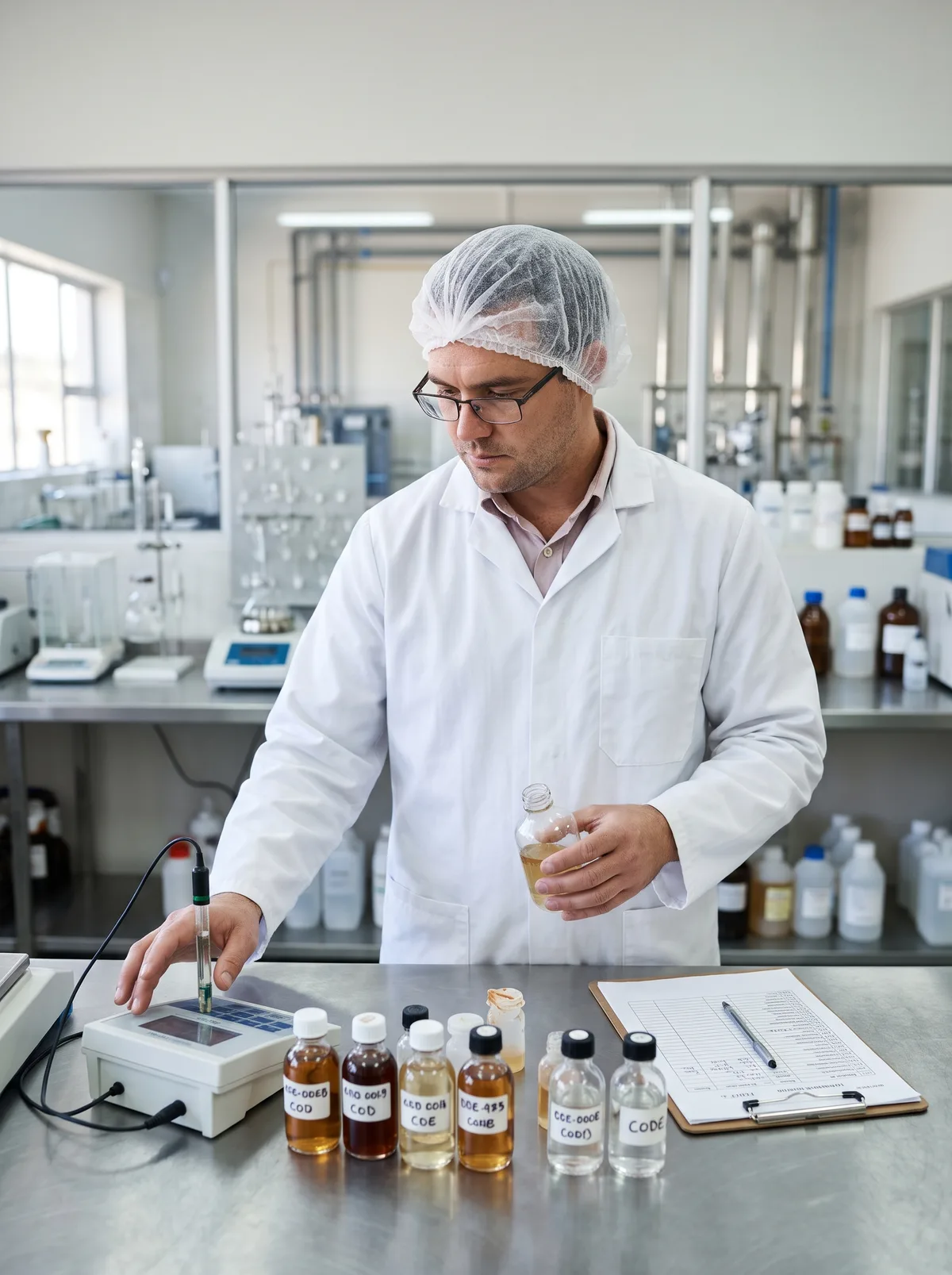
A base sent against what you've told us, to test on your own equipment in your own conditions. Not a generic starter pack.
- What happens. We send the base at the strength and in the form your process needs, raw or pasteurised. It comes with its spec, its certificate of analysis and guidance on using it, so your technical team has everything from the first delivery.
- What you do. Dilute to your target ratio, flavour it, carbonate, and taste it in something close to your finished format.
- What success looks like. You know whether the flavour foundation is right, how it behaves on your line, and what needs to change.
Stage three: refine
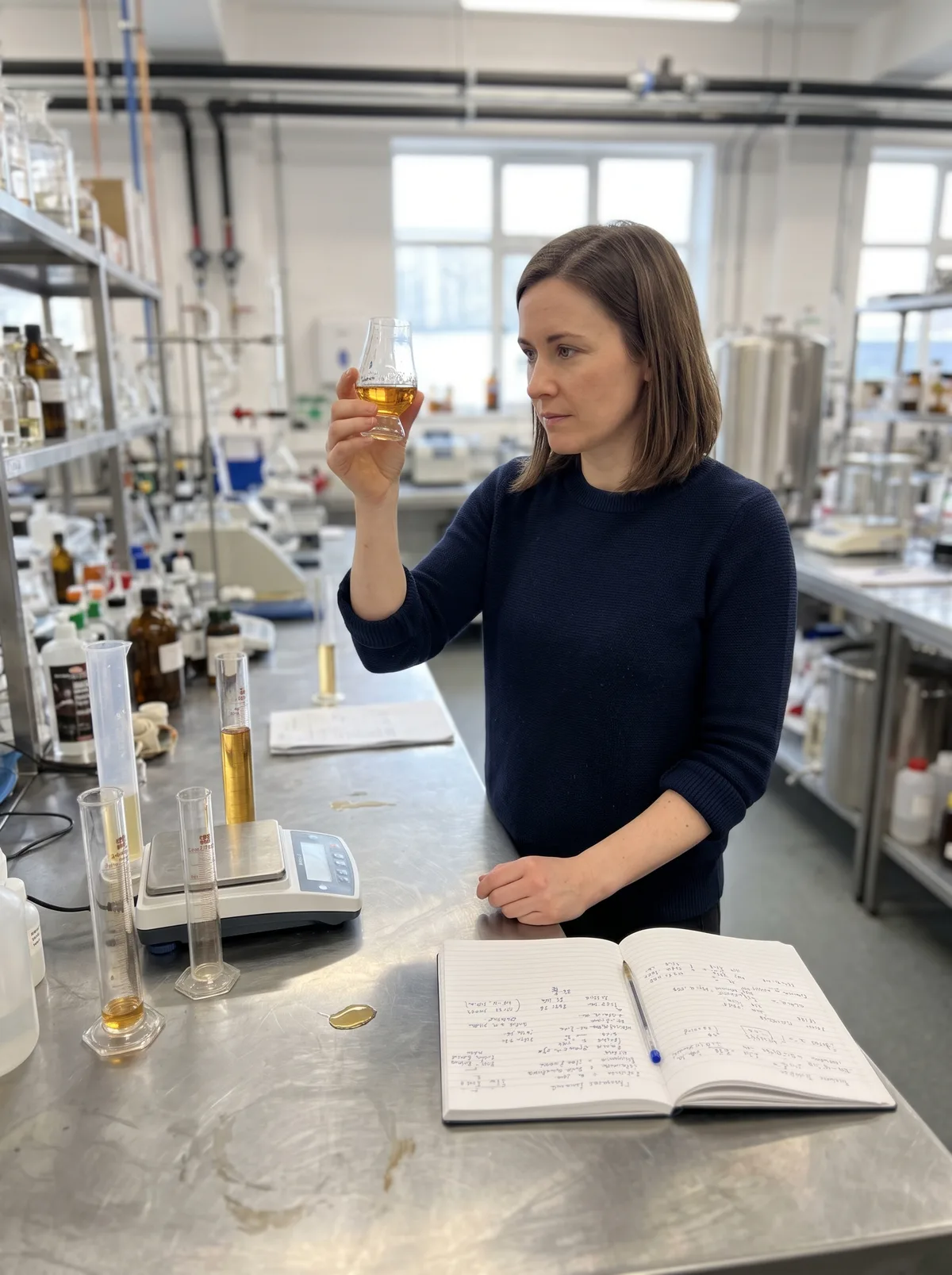
We work out together what the base needs to do, and what each choice costs you elsewhere. We've run these trades before, so the value here is knowing which ones matter for your product and which ones don't.
- Flavour and sensory targets, with a flavour house involved if the brief needs it
- Dilution ratio, and what that means for cost per unit
- Alcohol, which stays under 0.5% but still needs designing for at your end
- Shelf life against your distribution model, ambient or chilled
- Raw or pasteurised
- Whatever your technical and regulatory teams need to see
Stage four: scale and support
Moving to full production, with a dedicated account manager who knows your product, your business and your goals.
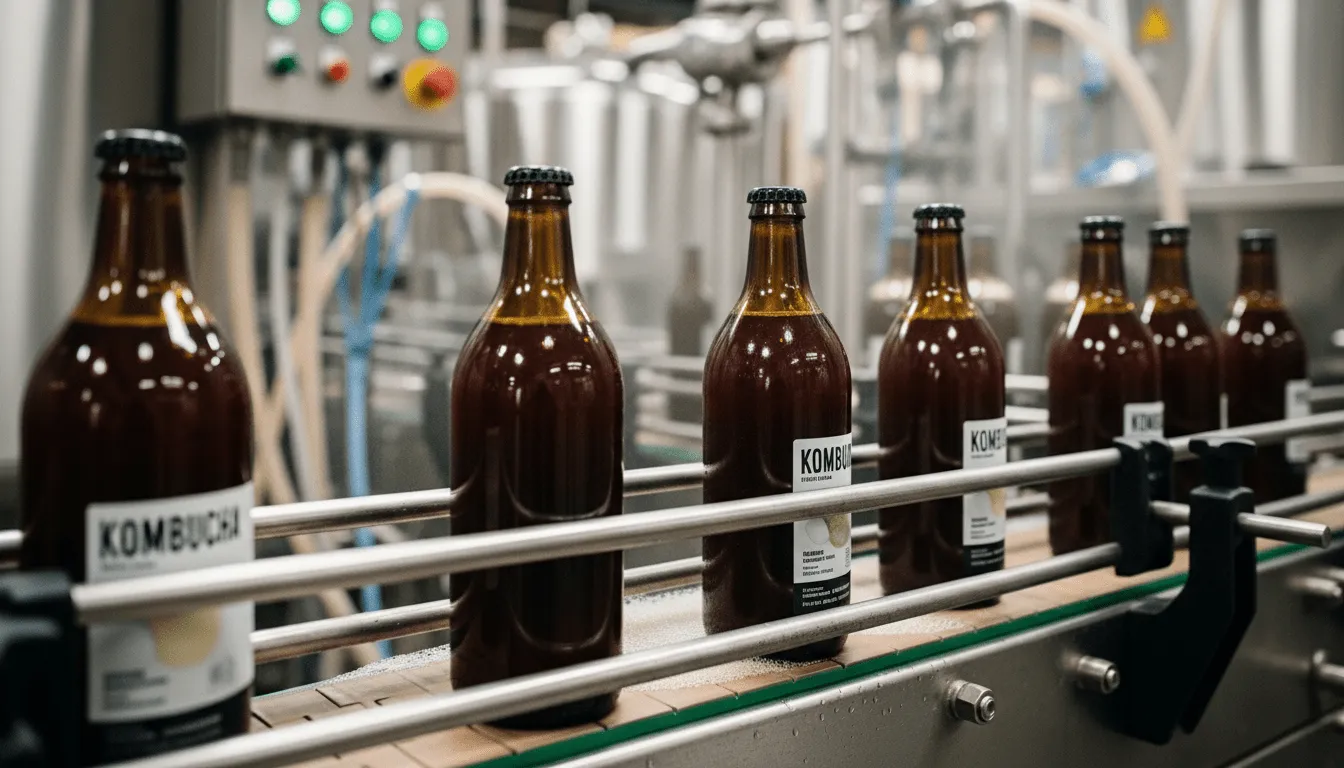
- Pilot batch on your line. Before full production, as standard rather than on request.
- Documents for scale. The full spec, certificate of analysis, allergen, origin and accreditation details for your audit file.
- Production volumes. Usually from 10,000 units per run, with some flexibility. We supply from our own stock in the USA, the UK, the Netherlands or Ireland, so a rush order or a moved launch date is easy to handle.
- Introductions where you need them. To co-packers who can handle live cultures and to flavour houses.
- Ongoing technical support. For as long as the line's running.
Most of our customers are still in stage four years later, which is the stage that actually matters. The base is half of what we do, and this is the other half.