Build a No or Low Alcohol Drink With Real Structure
We supply the fermented base and the technical support to help you develop, test and launch your no or low alcohol drink.
Our fermented bases are already in thousands of drinks sold by leading retailers.
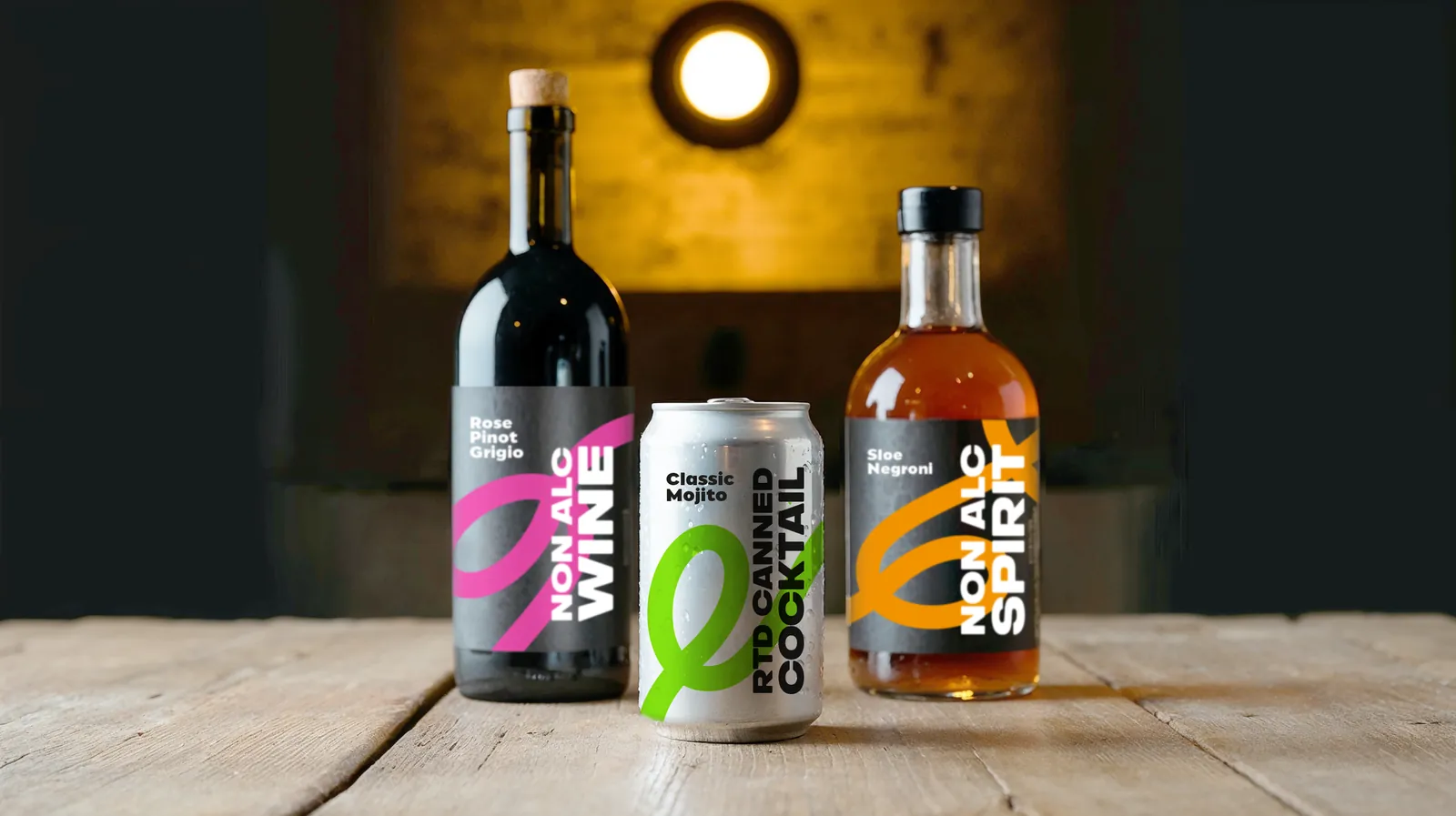
Our bases are the foundation behind your next winning no or low alcohol drink
- Start inside the non-alc band
Our bases finish under 0.5% ABV, the top of the band where most no and low volume sits.
- Structure that replaces alcohol
Fermentation brings sharpness, grip, body and a long finish, which is most of what alcohol does.
- No mention of kombucha needed
It's a fermented base, so nothing on your label has to say kombucha.
- Consistency across every batch
Our base behaves the same way every time, so each trial tells you about your recipe and you reach a finished drink faster.
We can help you build your next no or low alcohol drink
No and low isn't one category. Four sub-categories serve four quite different occasions. We can help you win in all of them.
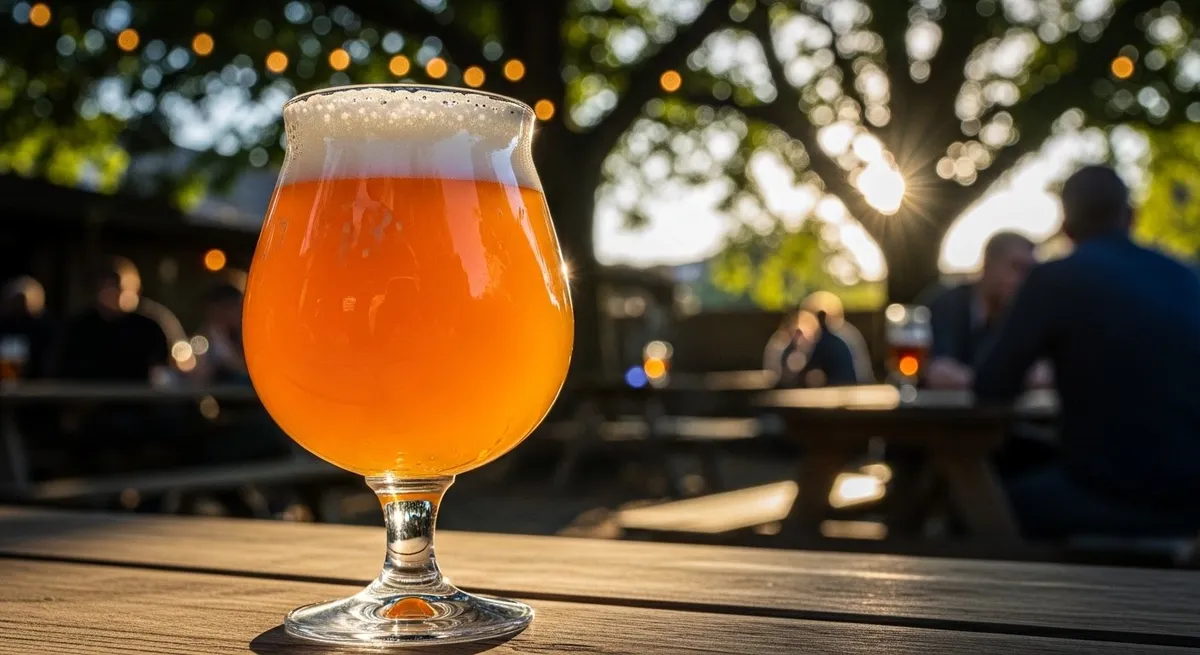
 No and low beer and cider
Lager, IPA or cider profiles driven by hop bitterness, malt body and clean fermentation. It has to deliver the crisp bite without feeling thin.
 No and low wine and bubbles
Still and sparkling alternatives that need acidity, tannin structure and length, with enough dryness and mouthfeel to stand up to food.
No and low spiritsDistilled-style bases packed with botanicals, engineered to carry flavour all the way through tonic or soda.
No and low RTD and cocktailsReady-to-serve mixes that balance sweetness with bitters or ferments to deliver a genuine cocktail finish.
From idea to shelf
At each stage, you'll know what happens next, what we need from you, and what you'll get.
- 01
Get in touch and tell us your idea
Can this work?1 day to 1 week
- 02
Develop and test
What will it taste like?2 to 4 weeks
- 03
Make sure it works at scale
Can we make it in larger volumes?1 to 2 weeks
- 04
Scale and launch
How do we get it ready for sale?Ready to launch
How we help you get no and low drinks right
To make a convincing alcohol-free drink, you need to understand what alcohol does. It does a lot of work in the glass, shaping the aroma, the weight and the finish.
Take the alcohol out and all of that goes too. You're left with a flat, sweet, watery adult soda, with no bite and no finish. The drinks that succeed replace what the alcohol was doing.
That's why each type struggles in its own way. Alcohol-free beer is easy to find but often doesn't taste like beer. Alcohol-free wine often tastes thin, which makes a premium price hard to justify. RTDs end up as mocktails, with no heat or depth. And alcohol-free spirits confuse shoppers, who can't tell where the spirit ends and the soft drink begins.
Our bases take these problems off your line.
Talk to us about your line- Aromatic lift
Alcohol acts as a propellant. It pushes scent out of the glass so you smell the drink before you sip it.
- Texture and warmth
It adds a soft physical weight, which is what makes a drink feel rounded and expensive rather than thin.
- Bitterness and bite
It gives grip in the middle of the mouth, holding flavours together.
- Length
It holds onto aromatics, creating a long finish instead of a quick drop-off.
- Body
It gives the liquid viscosity and presence.
- Solvency
It extracts and carries the heavy botanicals and oils that water simply cannot hold.
Where no and low brands can win
 Win on consistent flavour
There are lots of alcohol-free beers, but quality is still hit and miss. A fuller, more reliable taste turns a first try into a repeat buy.
Give no and low wine real textureThin texture is why alcohol-free wine struggles to charge more. Add sharpness, grip and body, and it behaves like wine at the table.
 Make it easy for bars
Venues want drinks that pour fast and earn a good margin. Build for that and you get listed, and in Europe, bars are where the habit starts.
 Fill the space retailers are freeing up
Shops are cutting beer and wine space and want grown-up drinks to fill it. A credible adult drink walks straight into that gap.
No and low alcohol: drinks that earn their place at the bar
No and low alcohol has stopped being a January exercise. It's a permanent fixture with its own shelf, its own occasions and its own standards.
The only segment reliably adding volume
The global low and no alcohol market is set to reach $46.5bn by 2034, while alcohol sales overall have stalled or fallen.
Moderation is now mainstream behaviour
76% of UK adults report moderating their alcohol intake in some way.
Design for alternating, not abstaining
78% of Gen Z now mix alcoholic and alcohol-free drinks on the same night, and they expect the alcohol-free round to be worth drinking.
What 'No' and 'Low' Actually Mean
Three regulatory bands sit underneath the label, and which one you target decides the occasions you can play in, the claims you can make and how close you can sit to full-strength beer, wine or spirits.
Alcohol-free
Effectively 0.0% ABV, though some markets allow up to 0.05%.
Non-alc and de-alcoholised
Up to 0.5% ABV. Most no and low beers, wines and RTDs sit here, and so does most of the volume.
Low alcohol
Above that, typically up to 1.2%. A little more body to work with, and a different regulatory conversation.
Download the Functional Beverages Guide
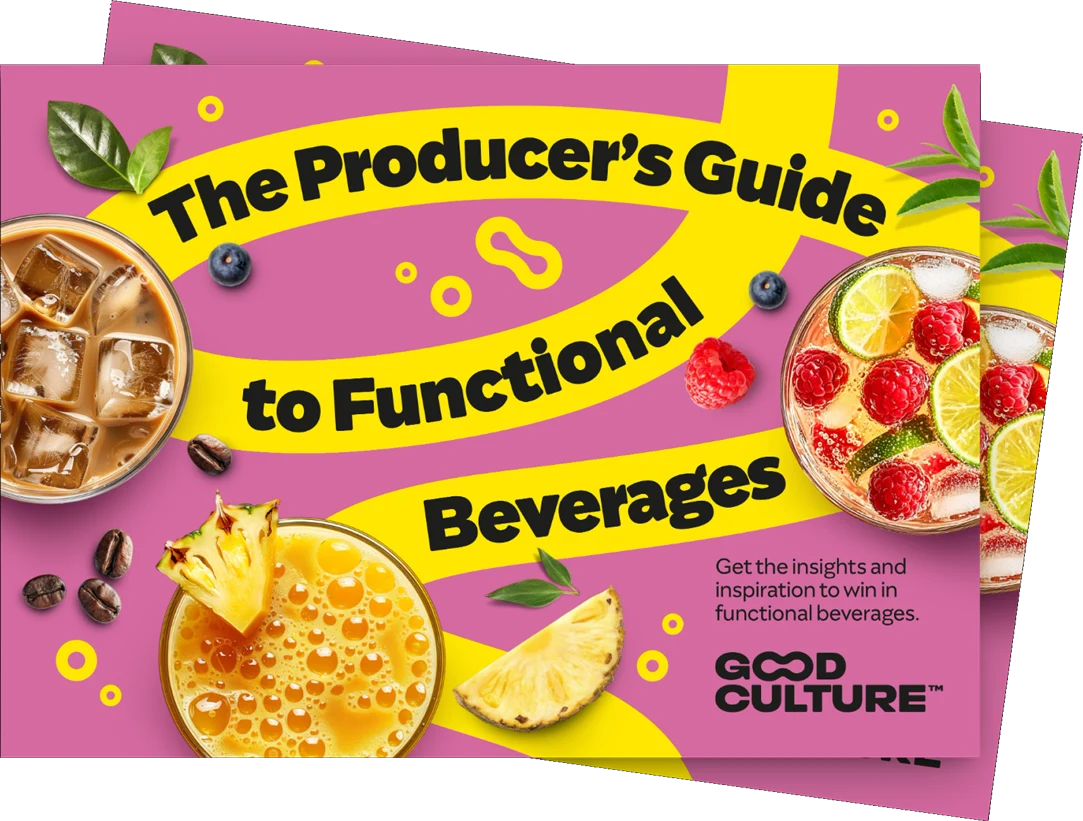
Market intelligence, formulation strategies and ready-to-blend recipes, all in one free download.
- Where the global functional beverage market is heading, and which segments are moving fastest
- The formulation decisions that set your product's commercial ceiling before you go near a retailer
- 10 ready-to-blend recipes across nine functional categories, built for production
Talk to our team about your no or low alcohol drink
No obligation. A rough idea is enough.
- Whether a fermented base suits your no or low alcohol drink, and which one
- What it would take on flavour, sugar, cost and timing
- The next step, if there is one
Our articles on no and low alcohol
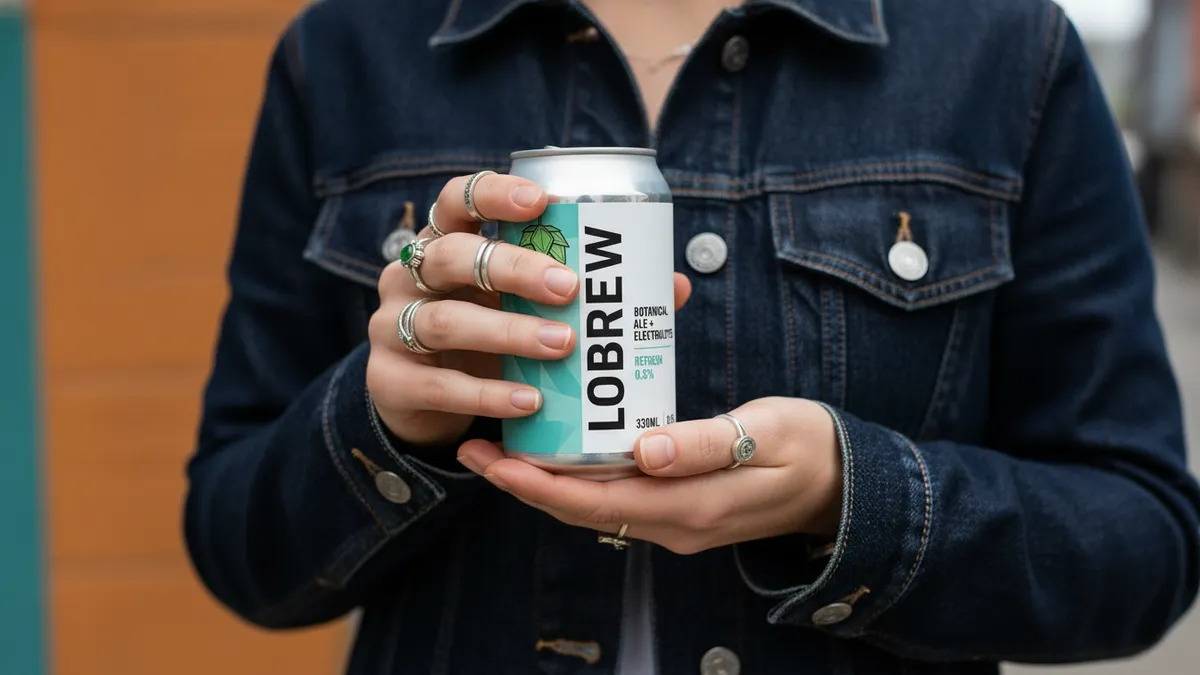
Zebra Stripers are on the rise. They flip between cocktails and alcohol-free serves in a single night. Here’s who they are, why they matter, and how to build a product range that keeps them ordering.
2 January 2026Read the article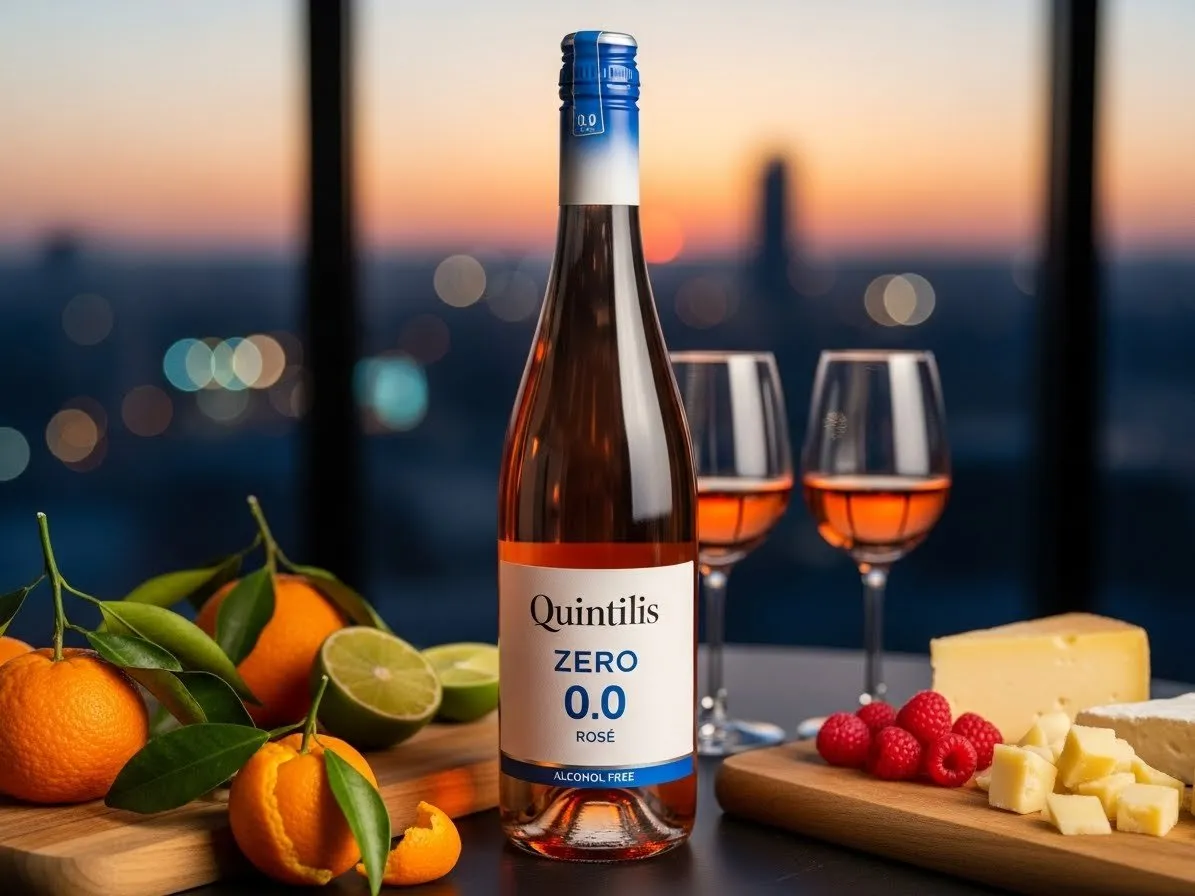
For years, non-alcoholic wine was the "poor relation" of the beverage world. Now, it’s the industry benchmark for quality. We analyse the massive market shift, the rise of the high-value "Zebra Striper" consumer, and how you can to engineer a premium liquid.
2 January 2026Read the article
It’s no longer enough to be ‘alcohol-free and fruity‘. Adult drinkers want burn, bite, and complexity. We explain why fermentation is the low-CAPEX cheat code to delivering all three.
1 January 2026Read the article