Whatever's Going Wrong, We've Seen It Before

We help brands with batches that taste different from each other, ABV creeping over the limit, short shelf life and slow fermentation. Most of these problems trace back to the same place, which is the ferment itself.

Cola and lemonade with citrus and a yellow swirl

Fix unpredictable fermentation

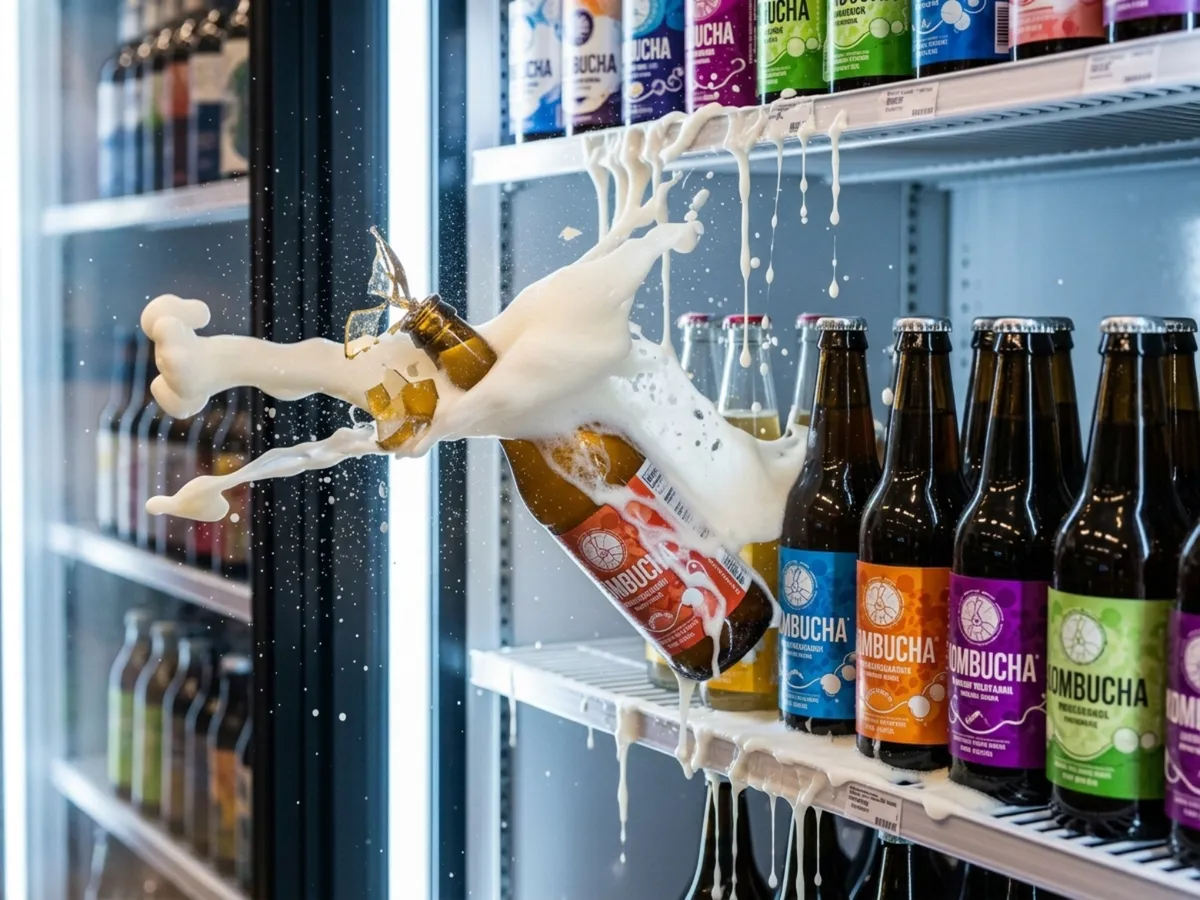
If your product keeps fermenting after it's packed, bottles can go flat, over-carbonate or even burst. With a live product, it's a real challenge for QC. If it happens when your batch is already on the shelf, your reputation is on the line.

Sound familiar?
  • Your batches taste different from one another
  • Your starter or SCOBY isn't performing like it used to
  • Shelf life is too short for the retailer we want
  • You can't replicate your recipe at bigger volume

How we fix it

A standard base takes fermentation out of your process completely. You no longer have to manage the thing that causes the trouble. Your drink behaves the same way every time, because the stability is built into the base.

A kombucha bottle bursting on a supermarket shelf
Five batches in a row, against your spec
Your spec
Live fermentationBatches drift in and out of spec
Your spec
With our baseEvery batch lands in spec

Pass the audit, and keep ABV where it needs to be

We help partners with this all the time. The fix is almost always to stop the problem at the source. If your ABV is creeping over the limit anywhere in your process, we can help.

The problemHow we fix it
ABV keeps creeping over the legal limitStable, controlled alcohol as part of the base instead of something to manage
A retailer or regulator wants documentation you don't haveWe supply spec sheets, certificates and test results as standard
You need certification, or an audit we can actually passWe're SQF and GFSI accredited, with Organic, Kosher and Halal certification across our range
You're not sure your labelling or claims are compliantWe give labelling and claims guidance as part of the relationship
Unstable alcohol is putting you at risk on tax and dutyWe remove the variable that creates the exposure in the first place

Get more capacity from your existing tanks

You don't have to turn orders down when demand outgrows your tank space, and you don't have to spend on fermentation equipment to take them. The capacity is already there with a base ingredient that slashes your lead time.

Sound familiar?
  • You can't afford the equipment to scale fermentation
  • Fermentation cycles are too long to hit your volumes
  • Your setup is too complex, with too many SKUs eating your time
  • Only one person in your team understands the fermentation
  • You can't meet retailer demand on your own

How we fix it

Fermentation happens with us, so your tanks stay free for finished product. You don't waste time on costly fixes and troubleshooting. And you get more volume without buying more tanks.

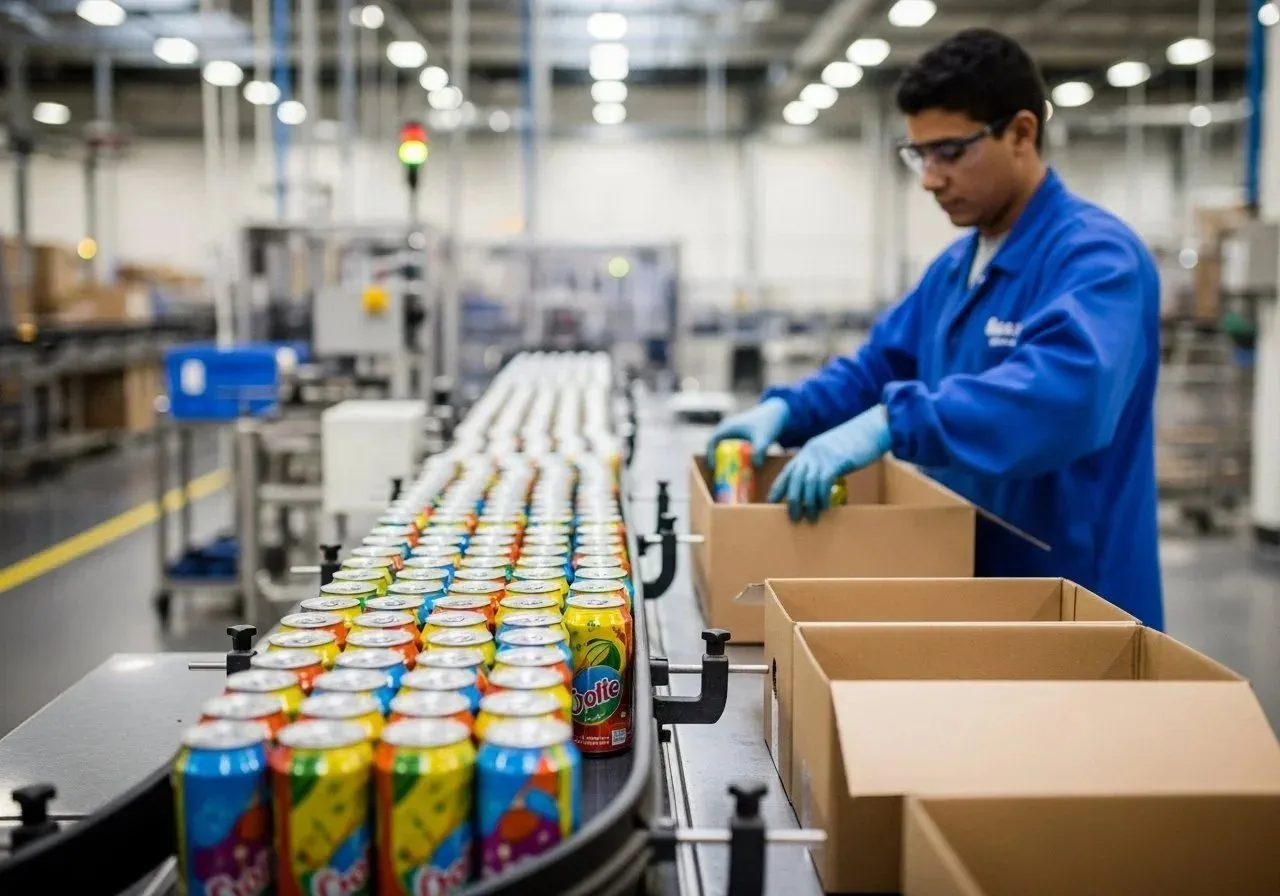
A worker packing cans on a production line
Time before you can pack
In-house fermentation
6 weeks
With our base
Under 48 hours
Wk 1Wk 2Wk 3Wk 4Wk 5Wk 6

Make COGS work better for you

There's often more room in a cost of goods number than it looks. Labour, energy and downtime all count. Especially when a big retailer is pushing on price and a listing depends on holding it.

Sound familiar?
  • Running fermentation in-house costs more than it returns
  • You're losing money on failed or off-spec batches
  • You already buy a base and need a better price

How we fix it

A stable base helps you cut costs and stay competitive. Consistent batches mean less waste from failed ones. We'll compare our cost against what fermenting in-house really costs you.

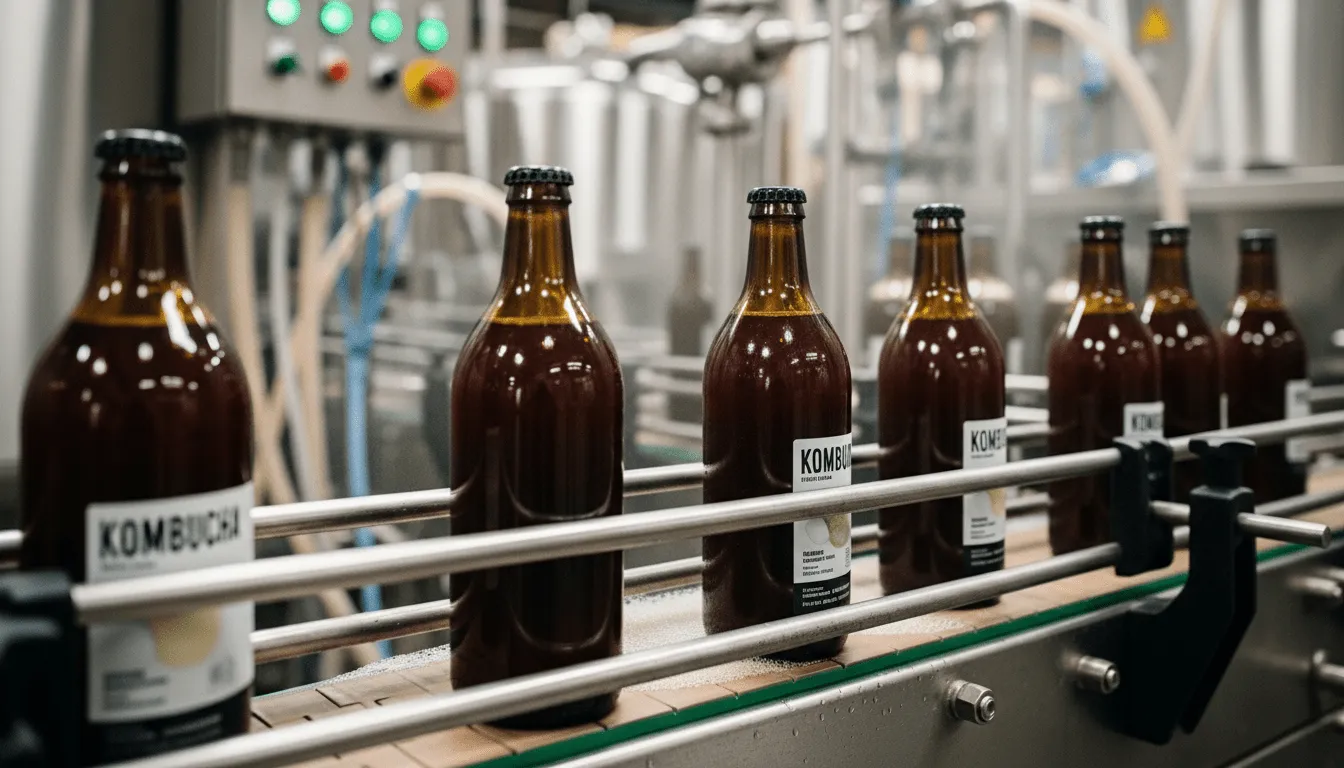
Bottles of kombucha on a bottling line
Where your savings come from
  • Fewer failed batches
  • Less labour
  • Less energy
  • Less downtime
  • Free tank time

Secure your supply, and find a co-packer who'll handle live cultures

Can't find a co-packer who'll take live cultures? We'll introduce you to trusted ones who will. If your current supplier is inconsistent, you can compare our network with them before you commit.

Sound familiar?
  • You want to move production without disrupting supply
  • You already buy a base and want better service
  • You don't want live cultures anywhere near your existing lines

How we fix it

You get access to our co-packing network, with your supply planned around the handover. If you already buy a base, we'll send samples so you can compare ours on price and performance.

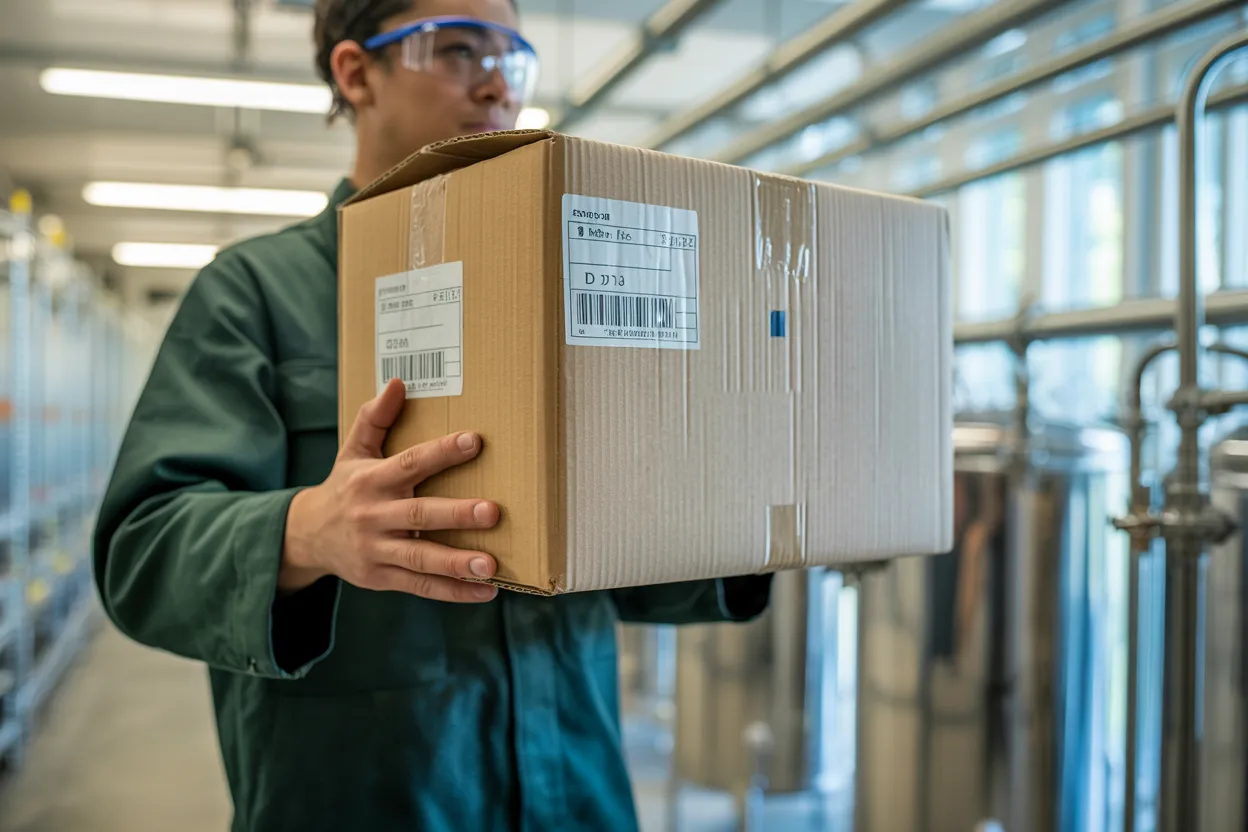
A worker carrying a carton through a production facility
Shipped from our warehouses in
  • USA
  • UK
  • Netherlands
  • Ireland

Plus a trusted network of co-packers who work with fermented drinks.

Improve a drink you already sell

We commonly see brands needing to meet flavour targets against a deadline. Your sugar content might be doing more work than anyone wants to admit. But a base can carry that work instead.

Sound familiar?
  • You want to add a functional benefit to something you already sell
  • You need a non-alcoholic version of an existing drink
  • You need to match a competitor's taste profile
  • You want to recreate the taste and feel of alcohol
  • Your recipe has to work in a new manufacturing facility

How we fix it

We reformulate around a base that carries flavour and structure without the sugar load, which is also what makes convincing functional and non-alcoholic drinks possible.

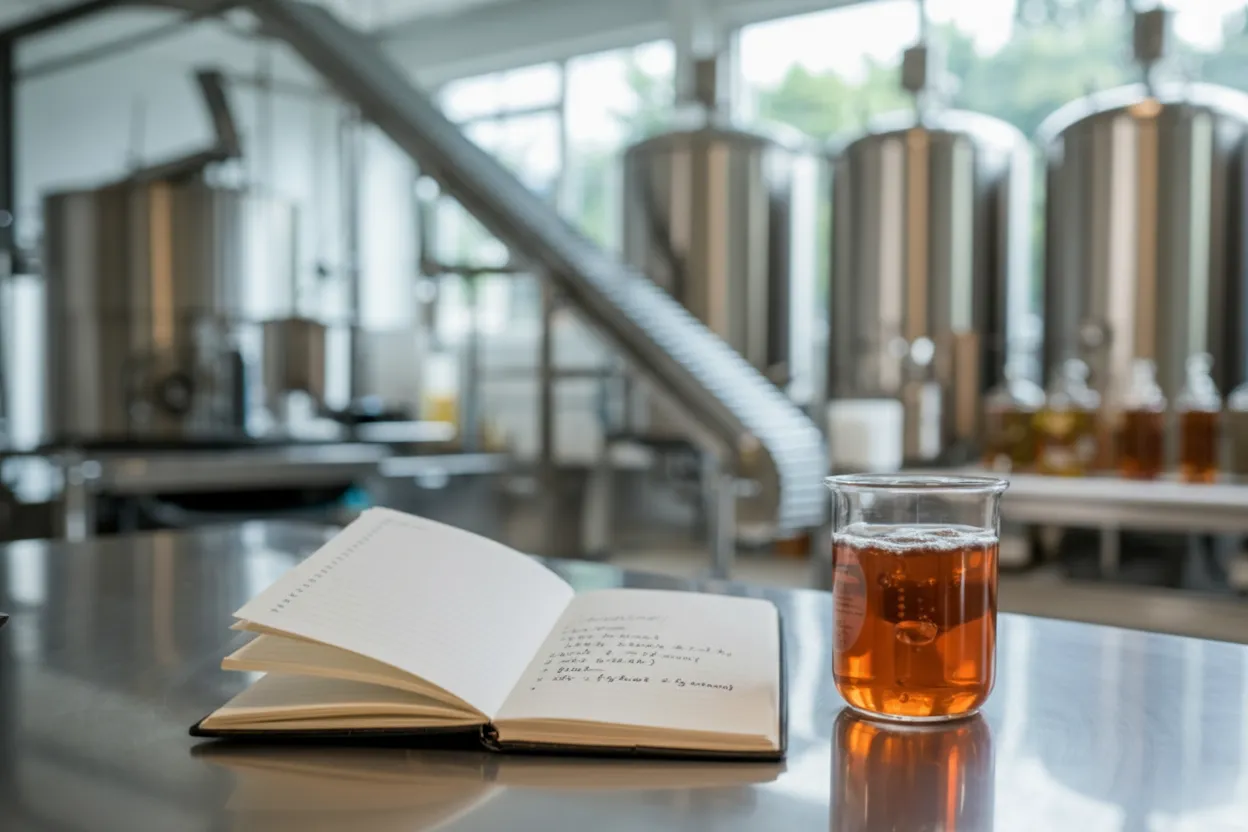
A lab notebook and beaker of fermented base beside tanks
Same drink, less sugar
Sugar
Flavour
Body

Get in touch

A couple of lines is enough, and we'll tell you whether we can fix it.

FAQs

We're reasonably happy with our current supplier, but we're weighing a switch. What's actually involved?
Switching mostly means requalifying your product. You'll need to retest stability, and tell your retailer if your specification changes. To lower the risk, run a sample of our base next to your current one, on your own line. Compare them before you commit. We'll plan your supply around the handover, so there's no gap.
Will changing base mean reformulating the whole drink?
Usually not. The base gives you the flavour foundation, so most projects keep their flavour and just adjust the dilution and additions around it.
What's your minimum production volume?
We typically start at 10,000 units per run, with some flexibility depending on your category and stage.
Can you help if we're not sure what's causing the problem?
Yes, and it's a common starting point. Tell us what you're seeing and we'll work back to the likely cause, because most of these symptoms have two or three usual explanations.