
How a UK Hard Kombucha Brand Delivered a 500-Store Retail Listing They Didn't Have the Capacity For
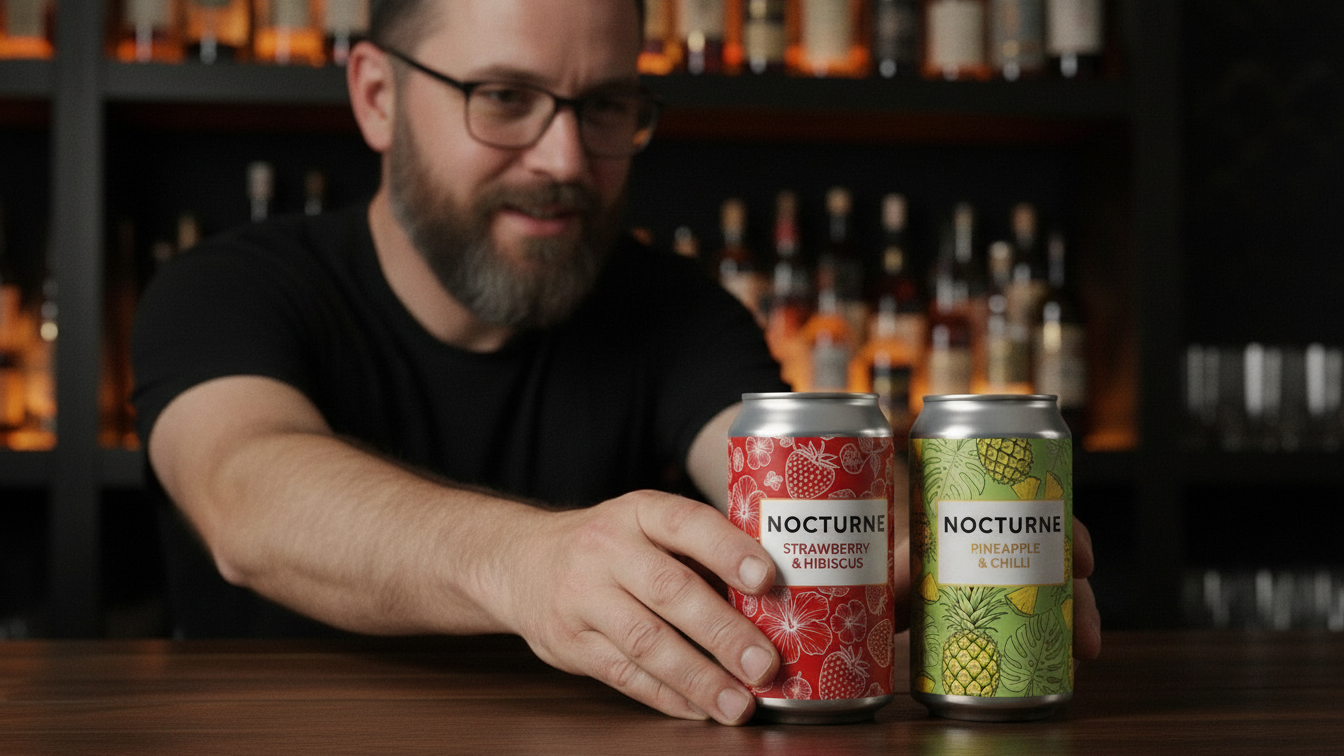
For a small but fast-growing UK hard kombucha brand, a marketing campaign succeeded beyond anything the team had planned for. It went viral, and a large national retailer came back with an offer of listings in 500 stores.
There was just one problem. The retailer needed pipe fill orders satisfied within two months. But the volume they needed was ten times the brand's existing production capacity in that timeframe.
A Growth Opportunity They Couldn't Physically Brew For
The brand brewed, blended, and packed their kombucha entirely in-house, using a traditional five to six week fermentation cycle. They were already running at 100% brewing capacity. They didn't have the funds or floor space to install additional tanks.
Turning the listing down would have meant missing one of the largest growth opportunities the brand had ever been offered. They also would have risked reputational damage with a major grocery trade stakeholder at a critical moment.
However, taking it on as things stood meant a large capital outlay to expand capacity, adding financial risk the business couldn't easily absorb, and weeks of stress with no guarantee the timeline was achievable.
The root of the problem was a structural one. Kombucha's long fermentation cycle makes production slower and less flexible than conventional beverages. Kombucha producers often find that their tanks and capital stay tied up for weeks while a batch ferments, meaning production schedules are governed by biology, not machinery. That dependency on biology rather than machinery is one of the biggest barriers to flexibility, efficiency, and scale in traditional brewing.
Replacing a Six-Week Bottleneck With a 48-Hour Process
The brand got in touch with Good Culture. By replacing their in-house starter with Good Culture's high-strength, fully fermented kombucha base, they didn't need to build new capacity. They needed to remove the fermentation bottleneck from the capacity they already had.
At commercial volumes, kombucha fermentation can take up to six weeks, and roughly 10% of every batch typically has to be held back as a starter for the next one, eating further into usable capacity. Tanks take up significant space on a production floor, and expanding that footprint takes time and capital most fast-growing brands don't have spare, especially with a deadline attached.
But Good Culture's bases are fermented to a strength of up to 30x, meaning 1,000 litres can produce 30,000 litres of finished product. Built into an existing line, that strength meant that the brand could increase their manufacturing output without expanding their factory, adding headcount, or tying up capital in new tanks.
A 500-Store Listing, Delivered on Time
Using their existing equipment, the brand's manufacturing capacity increased twentyfold, and production lead time dropped from six weeks to under 48 hours. The retail opportunity that had looked unbuildable a few weeks earlier was delivered on schedule.
Beyond the listing itself, the brand walked away with something more durable. They now have the confidence to say yes to short-term, high-volume opportunities without gambling the business on new infrastructure every time one appears.