The manufacturer who's perfect for your first 2,000 cans might not cope with your first big retail order.
Lots of brands find that out the hard way. The listing lands, the volumes jump, and suddenly the production slot isn't there.
Choosing a functional drink manufacturer comes down to five things: recipe know-how, capacity, ingredient sourcing, certifications and consistency. Here's how to judge each one, plus the questions that save you from surprises later.
What Does a Functional Drink Manufacturer Do?
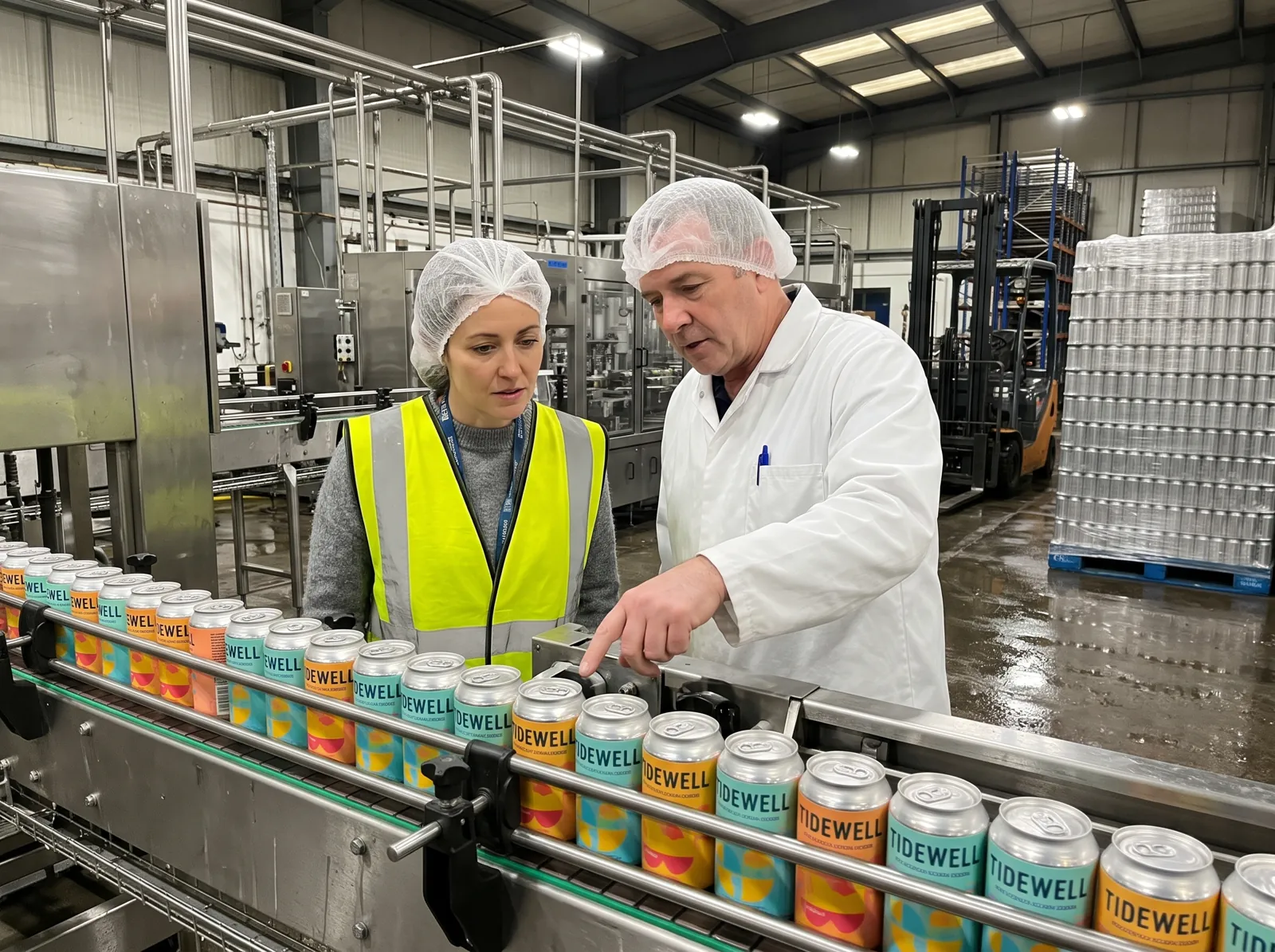
It depends who you ask. Some manufacturers do almost everything: develop the recipe, source ingredients, test shelf life, run pilots, produce and even store your stock. Others just fill bottles or cans to a recipe you hand them.
Neither is better. The right one depends on what your team can already do.
- No recipe yet? A full-service partner can take you from idea to finished product. Check exactly what's included before you sign.
- Recipe ready to go? A fill-only co-packer is often quicker and cheaper.
Be honest about your gaps. Paying for help you don't need wastes money. Skipping help you do need tends to show up halfway through your first run.
Can They Handle Your Functional Ingredients?
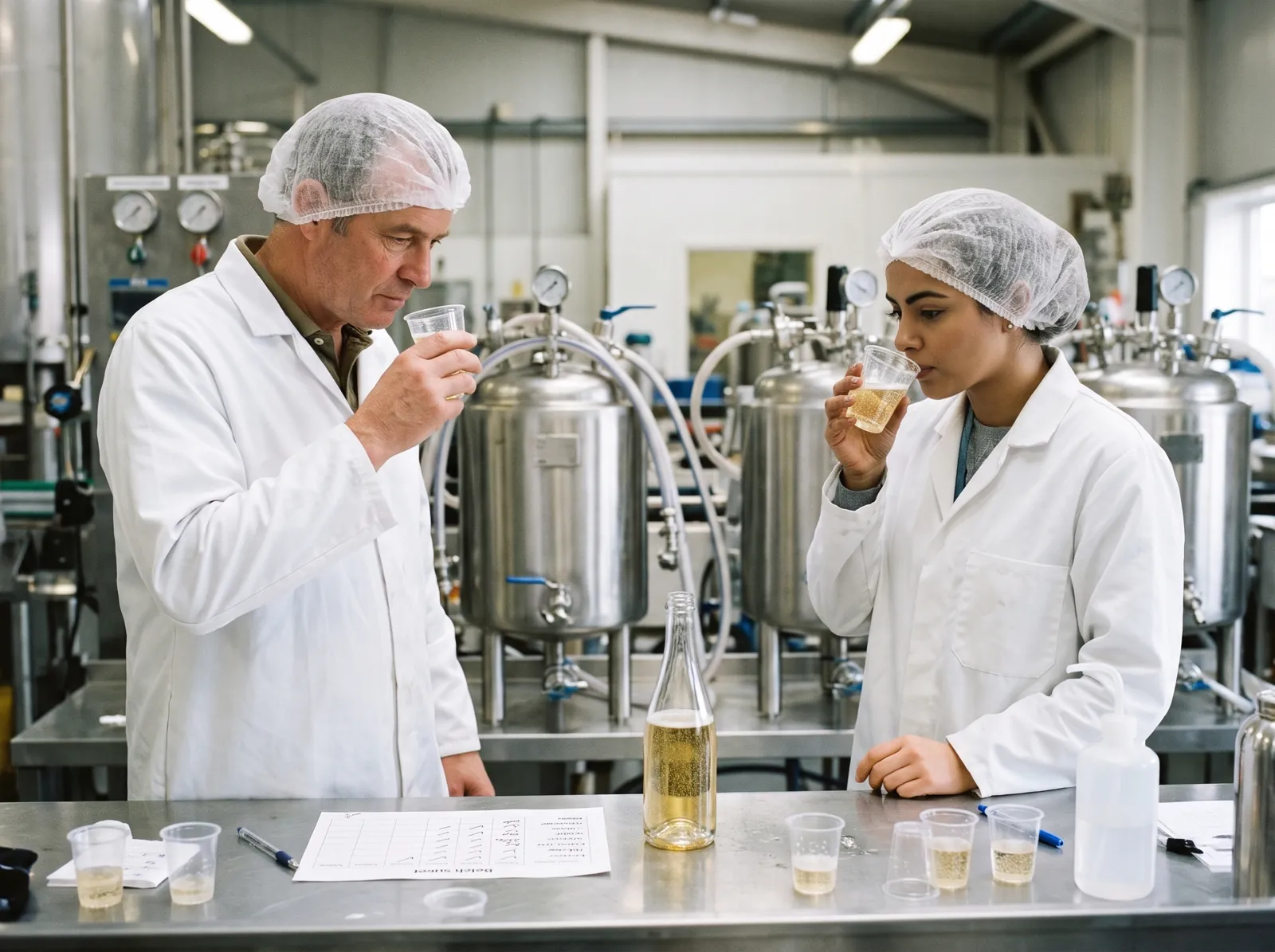
Making a functional drink is harder than making a standard soft drink. Ingredients like probiotics, botanicals and vitamins react to heat, acid and air in ways that can change the taste or weaken the benefit.
So ask every manufacturer on your list three questions:
- What similar drinks have you made at full scale?
- Can we see the batch records?
- How did those drinks hold up over their shelf life?
A partner who can show you real results is worth far more than one who promises to figure it out.
Which Certifications Should a Functional Drink Manufacturer Have?
Most big retailers and distributors expect a recognised food safety certification. Standards such as BRCGS, FSSC 22000 and SQF are recognised by GFSI, so they're accepted in many countries. Each retailer still sets its own rules, so check with the buyers you're targeting. If you need organic, kosher or halal, make sure your manufacturer can support that too.
Consistency matters as much as certificates. If the amount of an active ingredient changes from batch to batch, your label could stop being accurate. Ask how they keep every batch the same, and ask to see the proof.
Should You Brew In-House or Use a Fermented Base?
If you're making kombucha, water kefir or a functional soda, there's a big question before you even pick a manufacturer: who does the fermenting?
The Real Cost of Brewing Your Own
Brewing in-house means tanks, temperature control, cleaning systems, cold storage and lab testing. It also means skilled people watching every batch for taste, sugar and alcohol.
Kombucha often ferments for one to two weeks before it's ready. That's tanks, staff and cash tied up before you've got anything to sell. When you add it all up, the true cost per case is often far higher than the ingredients suggest.
How a Ready-to-Blend Base Changes Things
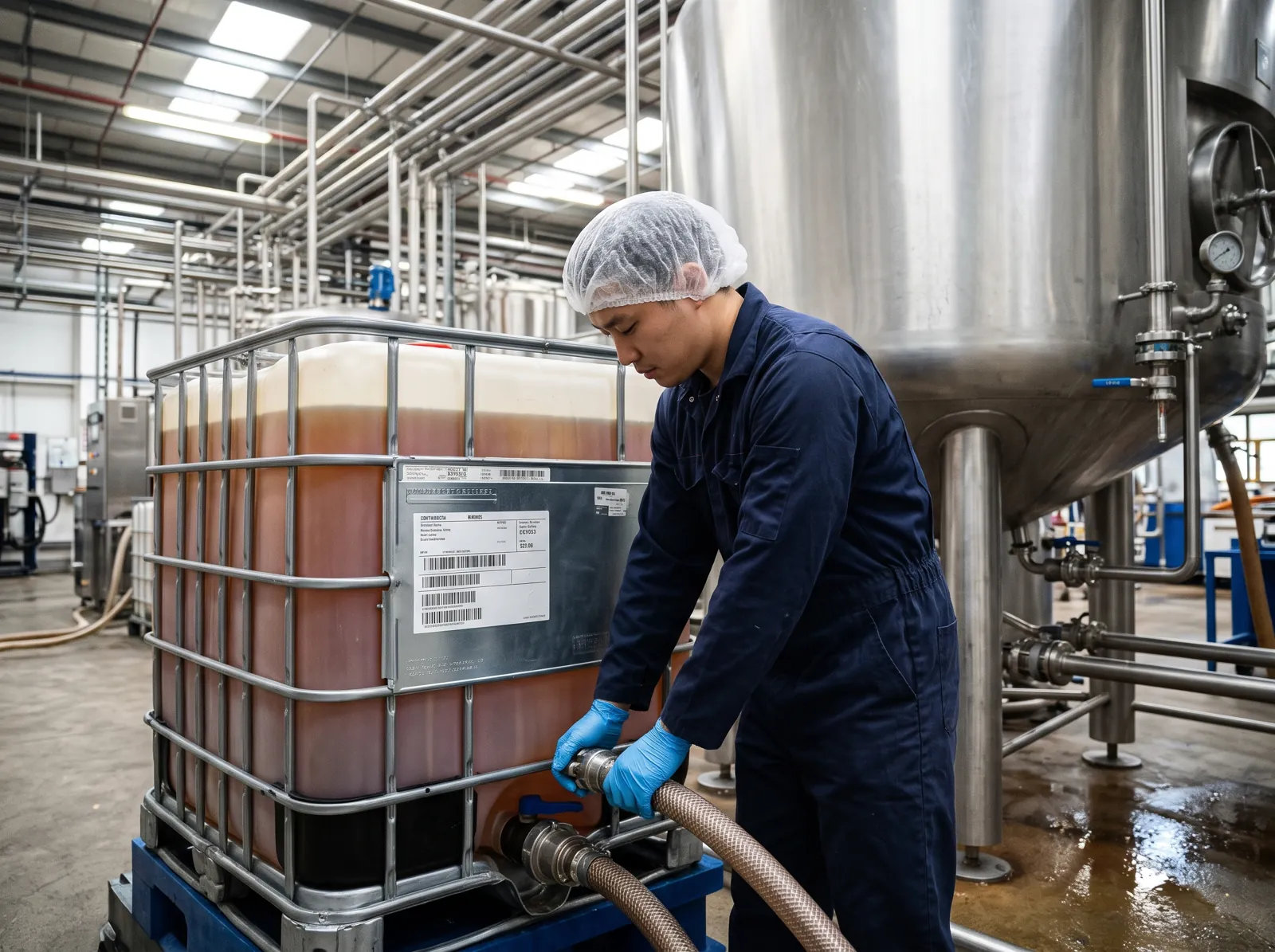
A ready-to-blend fermented base arrives with the brewing already done. Your manufacturer blends it with water and the rest of your recipe, and a batch can be ready in a day or two.
There's a bonus too. Manufacturers without brewing tanks can make your drink, which means far more co-packers to choose from.
The trade-off is that you rely on a supplier. So look for one with a strong track record, good stock levels and clear lead times.
Comparing Manufacturers on Minimum Orders, Costs and Lead Times
The type of manufacturer shapes almost every number in your plan.
| Manufacturer type | Minimum order | Development fees | Speed | Best for |
|---|---|---|---|---|
| Ready-made recipe | Lowest, often around 1,000 units | Low or none | Fastest | Testing an idea quickly |
| Small-batch co-packer | Low, a few thousand per flavour | Sometimes charged | Moderate | First runs and early growth |
| Custom recipe manufacturer | Higher, often 5,000 or more per flavour | Significant | Often 8 to 12 weeks from an approved recipe | Standing out and winning listings |
| Large-scale manufacturer | Very high volumes | Quoted per project | Slowest | Established, high-volume drinks |
When the quotes come in, ask for a full breakdown. That means development, samples, testing, ingredients, packaging, set-up, filling, freight and waste. The cheapest price per can often comes with the biggest minimum order, so the total bill can end up higher.
Why Your Fermented Base Matters to Your Manufacturer
A manufacturer can only be as consistent as what goes into the tank. If your fermented base changes in sourness or flavour from one delivery to the next, they'll be adjusting every batch. That costs time and money.
Our organic fermented bases take that worry away. They're fermented for up to six months, always under 0.5% ABV, and certified organic, SQF and GFSI, kosher and halal. They work across kombucha, water kefir, modern soda and no and low alcohol drinks. We can also introduce you to trusted manufacturers through our co-packing and private label partners.
Your Checklist for Choosing a Functional Drink Manufacturer
- Match the manufacturer's services to where your brand is today.
- Check they've made drinks like yours at full scale.
- Get an itemised quote with a clear timeline.
- Run a pilot before your first full order.
- Sort your fermented base before you brief anyone.
Get these right, and your manufacturer becomes a partner who grows with you.
Got a launch coming up? Talk to our team about the right base and production route for your drink.
Frequently Asked Questions
Can a co-packer make kombucha without brewing equipment?
Yes. By using a ready-to-blend fermented base, a co-packer can make kombucha, water kefir or a functional soda without any fermentation tanks. It's one of the easiest ways to widen your choice of manufacturers.
What certifications should a functional drink manufacturer have?
Look for a GFSI-recognised food safety standard, such as BRCGS, FSSC 22000 or SQF. These are accepted by retailers in many countries, though each retailer has its own rules. You may also need organic, kosher or halal certification, depending on your drink and customers.
How long does it take to launch a drink with a manufacturer?
From an approved recipe to your first production run, 8 to 12 weeks is common. Ingredient orders, packaging and pilot runs can add more time, so ask every manufacturer for a step-by-step timeline.
Should I run a pilot before a full production run?
Yes. A pilot shows how your recipe behaves at scale, including taste, shelf life and filling, before you commit to a full run and all the stock that comes with it.