The Kombucha Scale Playbook: How to Grow Without Losing Control
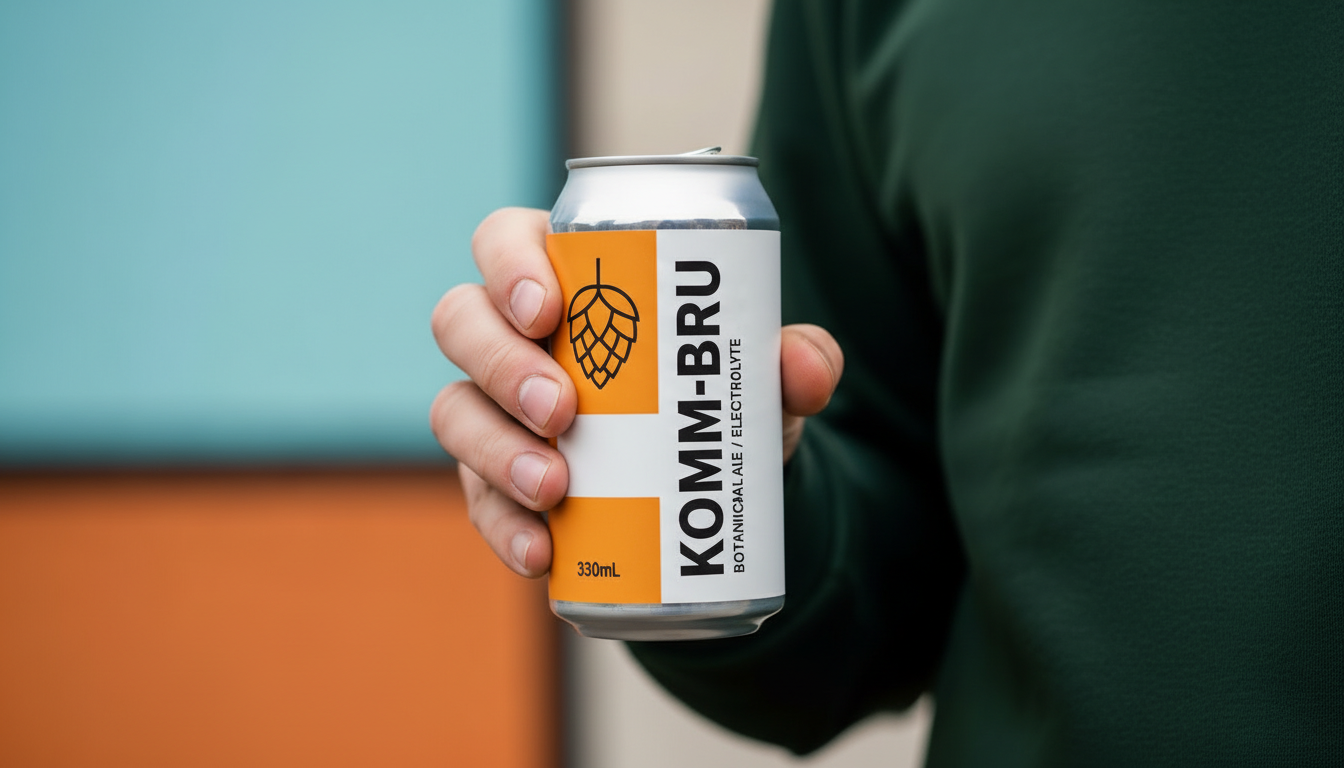
Growth should be good news. But for many kombucha operations, it's just as often a source of stress.
On a good week, the tanks are full, the line is humming, and orders are going out on time. On a bad week, one delayed ingredient or off‑spec batch can set you back days. Suddenly you have tied up cash, and relationships with your best customers can become strained.
We all want to yes to growth, but in the back of your mind you're wondering what happens your next promotion really lands, or if the next retailer says yes too.
So whether your job title says Operations Director, Factory Manager, or Founder‑who‑does‑everything, the problem is the same: how do you scale kombucha production without losing control of quality, cash, or your own sanity?
Why The Old Way of Scaling Kombucha is Breaking Down
For years, the standard answer to growth was simple: buy more steel. More demand? Add another tank. New flavour? More tank. New retailer? Definitely more tank.
But that only makes sense up to a point. The problems are familiar and well-documented. CAPEX is tied up in kit that sits idle between brews. You're capacity‑constrained at exactly the moment you want to say yes to new business. Seasonal and promotional spikes are stressful, when they could be more exciting. You're not just fighting for floor space; you're fighting the physics of a long, labour‑intensive fermentation process. And there needs to be a way for it to speed up like the market has.
Rethinking Capacity: From Steel to Flexibility
Most kombucha breweries have been built around one assumption: fermentation has to happen on site, in your own tanks, for every SKU. That's what creates inelastic capacity. If every new idea, every new listing, and every new format has to queue through the same brewing bottleneck, you will always be choosing between growth and control.
There is another way to look at it. Instead of treating fermentation as a part you own, treat finishing that way instead: blending, flavouring, carbonation, and packaging. In other words, bring the craft and control to the last 24 hours, not the previous 30 days.
A base‑first model does just that. You take a high‑strength, pre‑fermented organic tea base – brewed once, to a tight technical spec – and treat it as the engine of your kombucha. Your line then becomes a fast, flexible finishing line: diluting, flavouring, carbonating, and packing at the speed your customers expect.
The impact you get is immediate. Lead times shrink from weeks to days. Your existing line can run more SKUs and volumes without those new tanks. You suddenly have options. You can keep some brewing in‑house if you want, but you're no longer hostage to it.
Elastic capacity isn't about infinite scale. It's about having enough room to say "yes" to the right opportunities, at the right time, without making sacrifices to your process or business decisions. If you're interested in the practical mechanics of this shift, our guide on how to scale kombucha production from 100L to 1000L+ breaks down the specific steps.
What This Looks Like in a Real Brewery
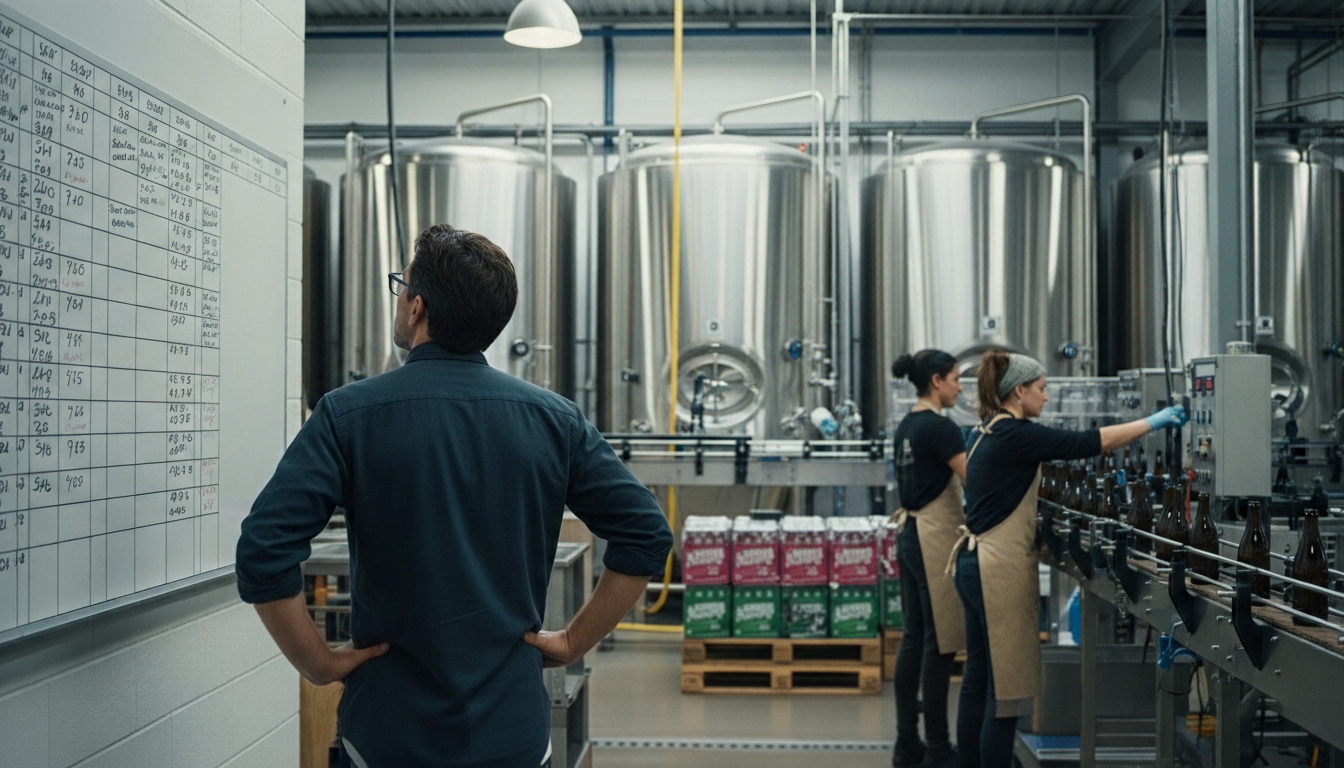
Imagine you're running a mid‑sized brand with a handful of core kombucha SKUs in retail, one or two seasonal flavours, and a couple of ideas sitting in the pipeline that you never quite find tank space for.
In a base‑first set‑up, your core SKUs draw from the same fermented base, adjusted for strength and profile. Seasonal flavours become a recipe and procurement exercise, not a fermentation exercise. Those "nice to have" pipeline ideas suddenly have a chance, because they don't demand weeks of tank time to test anymore.
On paper, you haven't changed who you are. You're still a kombucha brand. You're still working with fermented tea. And you still care about flavour and label integrity. In practice, you've removed an invisible ceiling on what you can do with the assets you already have. If you're a smaller brand, the shift is even more noticeable. Instead of your tanks dictating your roadmap, your roadmap dictates how you use your tanks.
Quality, Alcohol and the Fear of things Going Wrong
Most operations leaders have a story about the batch that kept them awake. The one where alcohol crept too high. The one that tasted off just as you were about to ship. The one that put a big customer relationship at risk.
Kombucha is unforgiving when fermentation isn't under control. Once a can or bottle leaves your hands, you're relying on a live system to behave perfectly in fridges, on shelves and in transit. That's a big ask.
But a pre‑fermented base changes the risk profile. Alcohol is stabilised at the base stage, so you're not asking it to behave inside the finished pack. pH and other key parameters are consistent, batch after batch. The most unpredictable variables have already been managed before the product touches your line.
Of course, this doesn't remove your responsibility for quality. But it does mean you're not rolling the dice on wild fermentation every time you fill a can. For many technical and QA teams, that shift is the difference between constant firefighting and a manageable, auditable process. For founders, it's the difference between hoping a batch behaves and knowing exactly what's in every can.
If you're dealing with inconsistent batches or alcohol drift issues, our troubleshooting resources can help you identify where the instability is coming from.
Working with Co‑Packers Without the Complexity
Capacity isn't only about what happens inside your own factory. It's also about how easily you can work with manufacturing partners when you need them.
For most kombucha brands, co‑packing is harder than it should be. You're asking a contract manufacturer to manage live cultures, long fermentation cycles, and unpredictable behaviour in-tank – processes they're not set up for and don't want to own. That limits your options and makes scaling regionally or testing new markets far more complicated than it needs to be.
Fermented bases solve that problem. Co‑packers get to focus on what they're already good at – blending, filling, carbonating and packaging – without having to run a kombucha brewery on the side. You can work with pasteurised bases if that suits your process and market, or keep the product raw if that's part of your story. For an operations‑minded founder, that's a powerful shift: local or regional finishing becomes realistic, with fermentation done once, to spec, somewhere built to do just that.
Making the Change Without Blowing Up Your Current Process
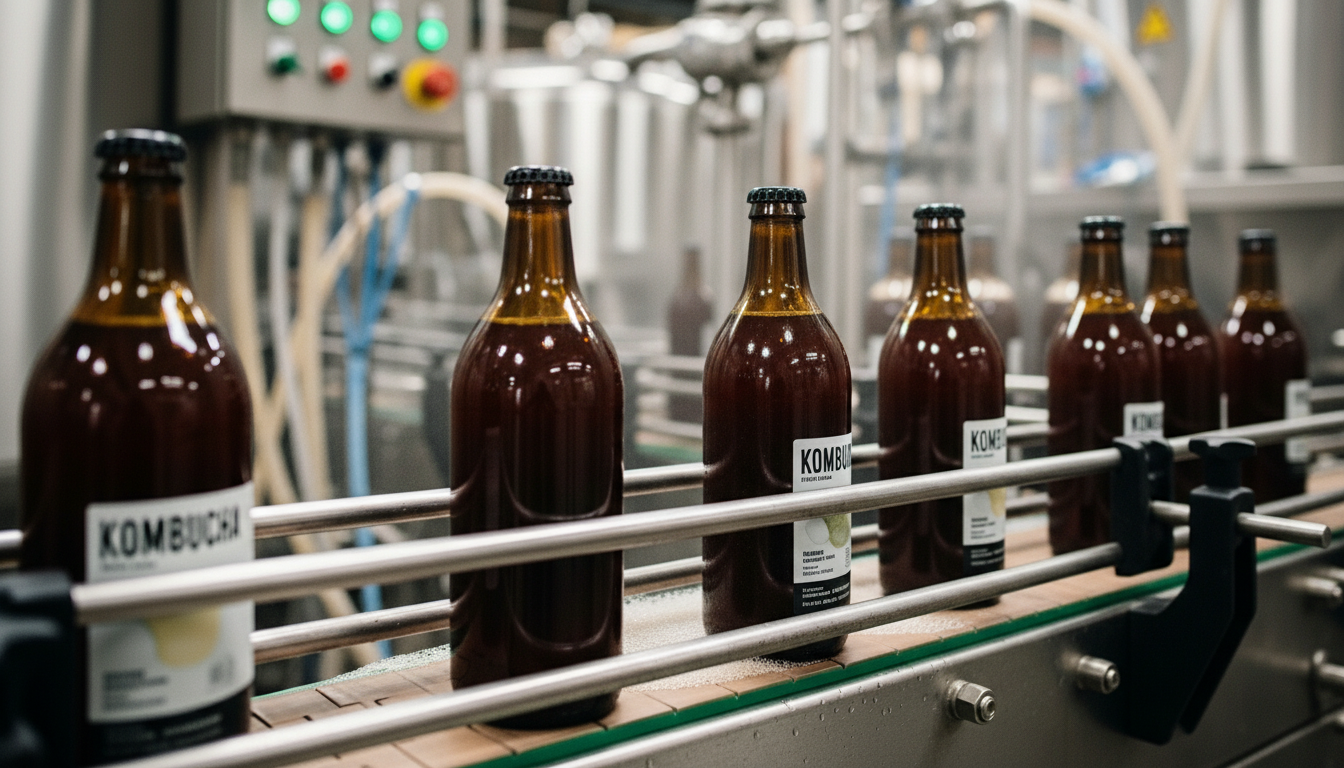
The idea of "changing the model" can sound intimidating. But it doesn't have to be. You can treat this as an experiment rather than a revolution.
A practical starting point is to choose one SKU to trial. You could pick a core product where demand is strong and any gains in lead time or consistency will really be felt. Run a small‑scale comparison: produce one run via your current in‑house brew and one run via a fermented base, using the same flavour profile and packaging. Then measure what matters: lead times, labour hours, energy use, QC interventions, yield, complaints if any, and cost per saleable unit. Listen to your team about what felt easier or harder.
After the trial, you may choose to keep some brewing in‑house for strategic reasons and move other volumes onto a base‑first model. The point is that it becomes a choice, not a default. You're not giving up control. You're deciding where control actually needs to sit.
What This Unlocks For You As the Person Responsible
Ultimately, this isn't about bases or tanks. It's about the job you're trying to do. If you're the person everyone calls when a tank is delayed, a batch is on hold, or a retailer wants more volume than you can comfortably promise, then your real goal isn't "more kombucha". It's more predictability.
A base‑first, elastic‑capacity model supports that. You know how quickly you can respond to demand. You know the limits of your kit and how to stretch them safely. You can have honest conversations with commercial teams and retailers about what's actually possible, without hoping the ferment gods are on your side. That's what "scale without losing control" actually feels like. Not bigger for the sake of it, but bigger in a way that gives you peace of mind.
Where To Go From Here
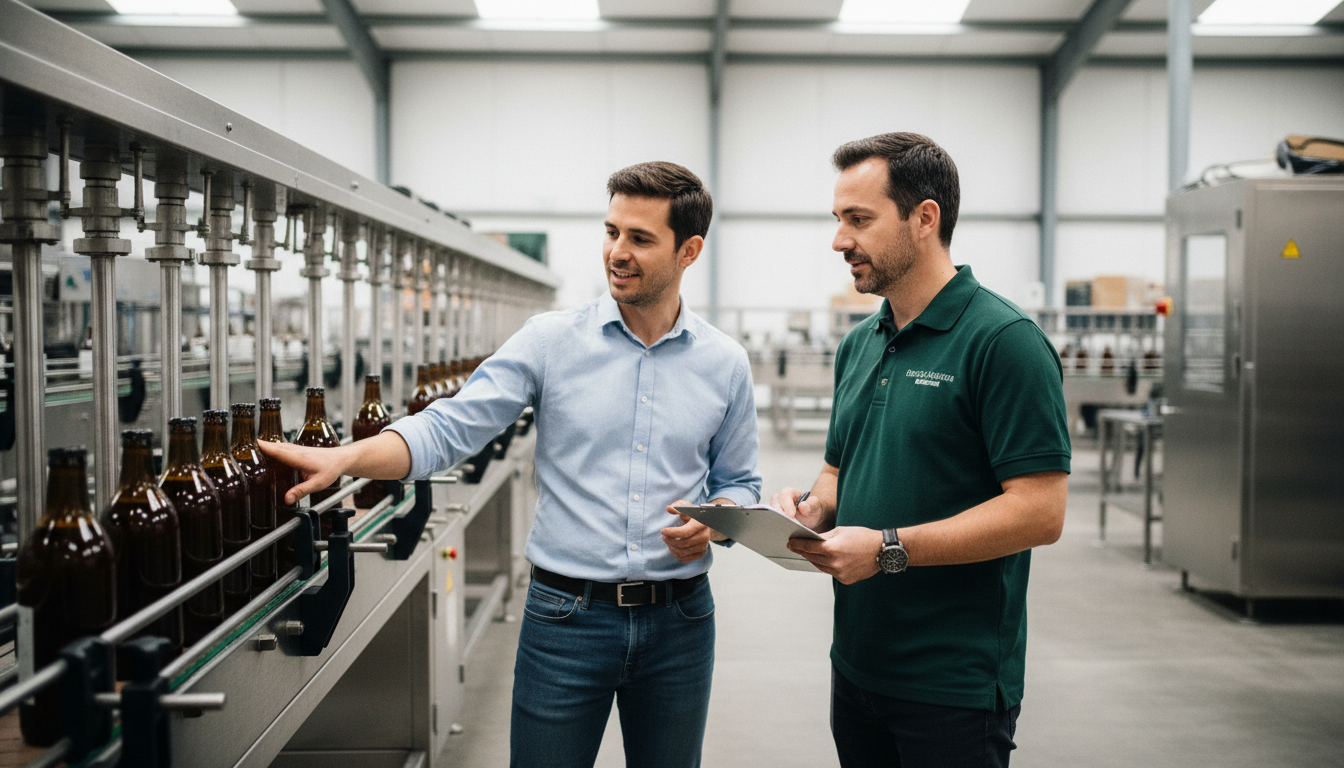
If this way of thinking about capacity could work for you, you don't have to figure it out alone. Map your current pinch points: where are batches queuing, which SKUs are hardest to manage, where are you turning down or dreading growth?
If you're not sure where to start, our Kombucha Troubleshooting Guide can help you identify the specific bottlenecks in your process. Identify one or two products to trial on a base‑first model. Bring your the right people into the same room and ask a simple question: what would we do differently if fermentation wasn't the bottleneck?
That conversation is the real start of your playbook. The fermented base is just the tool that makes it possible. Ready to explore how this could work for your brewery? Get in touch with our team to discuss your specific challenges, request a technical sample, or simply talk through what a base-first model might look like for your operation.
FAQ: Scaling Kombucha Production
How can I scale kombucha production without buying more tanks?
You can scale by shifting from full in‑house fermentation to a base‑first model, using high‑strength pre‑fermented organic tea bases that you dilute, flavour and package on your existing line. This decouples fermentation from filling, so you can increase throughput and reduce lead times without investing in new vessels or factory space. Many brands use this approach to turn weeks‑long brewing cycles into 24‑hour finishing runs.
What is a fermented tea base and how does it work?
A fermented tea base is kombucha brewed to a high concentration using tea, sugar and live cultures, then stabilised to tight technical specifications for pH, ABV and sensory profile. You receive it ready to dilute and finish on your line. This removes the unpredictability of managing live fermentation in‑house whilst maintaining the authentic fermented character of your final product. It acts as a consistent, scalable engine for any kombucha or fermented beverage.
How do fermented bases help control alcohol levels in kombucha?
Fermented bases stabilise alcohol content during production, so you receive a base with a known, consistent ABV that won't drift once diluted and packaged. This eliminates the risk of secondary fermentation and alcohol creep in the finished product, which protects you from regulatory breaches, recalls and delisting. For technical and QA teams, it transforms alcohol management from a constant worry into a controlled, auditable process. Learn more about navigating kombucha alcohol compliance.
Can I use fermented bases with contract manufacturers and co‑packers?
Yes. Fermented bases make you a simpler, lower‑risk client for co‑packers because they don't need to manage live cultures or complex brewing processes. They focus on what they're set up to do – blending, filling, carbonating and packaging. This opens up a much wider network of manufacturing partners and makes it easier to scale regionally or test new markets without building local brewing capacity.
How does a base‑first model reduce kombucha production costs?
A base‑first model reduces costs in several ways: shorter production cycles increase line utilisation, high‑strength bases cut freight and warehousing spend, and consistent quality reduces waste from off‑spec batches and rework. You also defer or avoid large capital investments in fermentation tanks and factory expansion. When calculated per saleable unit, most brands find total cost improves even if the base ingredient costs more than raw tea and sugar.
Will using fermented bases change the taste of my kombucha?
No. The fermented base provides the authentic kombucha backbone – the acidity, complexity and fermented character – whilst you retain full control over flavour, sweetness, botanicals and mouthfeel during finishing. Many award‑winning kombucha brands and private label products use fermented bases without any sensory compromise. If anything, consistency improves because batch‑to‑batch variation is minimised.
How quickly can I trial a base‑first approach in my brewery?
You can start with a single SKU trial in a matter of weeks. Request a technical sample of an organic fermented base, run a small production batch using your existing flavour profile and packaging, then compare lead time, quality consistency, labour and cost per unit against your current in‑house brew. This gives you real data to decide where a base‑first model makes sense for your operation without disrupting your entire process.