The High-Growth Future of Hard Kombucha: Market Trends & Production Secrets for 2026
The alcohol market is evolving.
While headlines focus on volume declines in wine and mass-market beer, a new emergence is taking hold in the "Better-For-You" aisle. The modern drinker hasn't stopped drinking. They've just upgraded.
They're trading empty calories for functional ingredients. That means swapping synthetic flavours for authentic ferments.
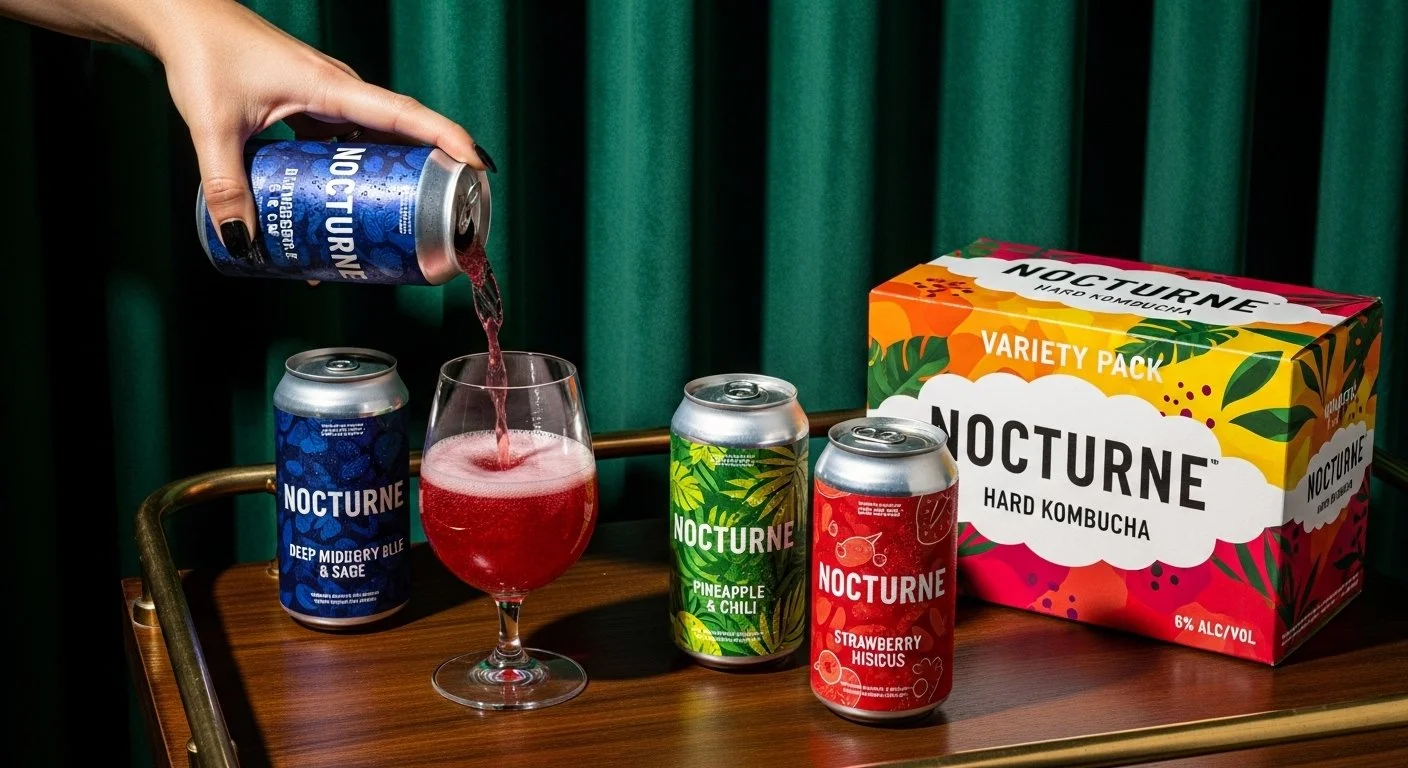
This shift has birthed the Hard Kombucha category. Once a niche Californian experiment, it's now a powerhouse segment proving that consumers will pay a premium for a "cleaner buzz".
With the European market projected to grow at a CAGR of 17.8% through 2033, the opportunity for innovative and agile manufacturers is massive.
Here's the roadmap to capturing this growth, the brands you should be watching, and the production strategy that makes scaling possible.
Market Analysis: Why Europe is the Next Frontier
For European manufacturers, the United States is a bit of a crystal ball. The trends that dominate the West Coast today typically land in Berlin, London, and Amsterdam within 18 to 24 months.
In the US, Hard Kombucha is already a more mature, verified category. It's moved out of the health food store and into the liquor aisle. And it’s taking significant market share from cider and craft beer.
In Europe, the door is very much wide open.
While traditional kombucha is well-established, the hard variant remains a massive "Blue Ocean". We're just now seeing the first wave of serious challengers entering the space.
The European Hard Kombucha segment is outpacing the traditional category, with a projected 17.8% CAGR from 2025 to 2033. As noted in our Kombucha Report 2026, Germany currently leads the continent in revenue, driven by a strong preference for wellness-aligned, organic products.
Crucially, this category is unlocking a demographic that kombucha missed in the past. Hard Kombucha is bringing men and younger social drinkers into the fold, bridging the gap between wellness and social indulgence.
It’s the ‘sessionable’ opportunity of the decade. The infrastructure is ready. The consumer is becoming more informed. Retailers are waiting for a premium, adult option to fill the shelf space left by declining wine sales.
Industry Inspiration: Who’s Winning & How?
If you want to dominate this category, you don't need to reinvent the wheel. You just need to look at the playbooks of the winners.
JuneShine (USA) is the prime example of building a community, not just a customer base. They refused to rely solely on retail footfall, building a massive direct-to-consumer engine instead. By using SMS marketing platforms to incentivise trial, they lowered their Customer Acquisition Cost (CAC) by 72.5%. They proved that this is a high-engagement category that can be swayed with digital connection.
Then there is Boochcraft, the sustainability leader. They became the first Hard Kombucha brand to achieve B-Corp Certification by juicing whole, organic fruit in-house and composting 100% of their scraps. In a market where "greenwashing" is rampant, their verifiable supply chain makes them the unquestioned choice for the ethical drinker. It proves that your supply chain isn't just a spec sheet detail for ethical consumers.
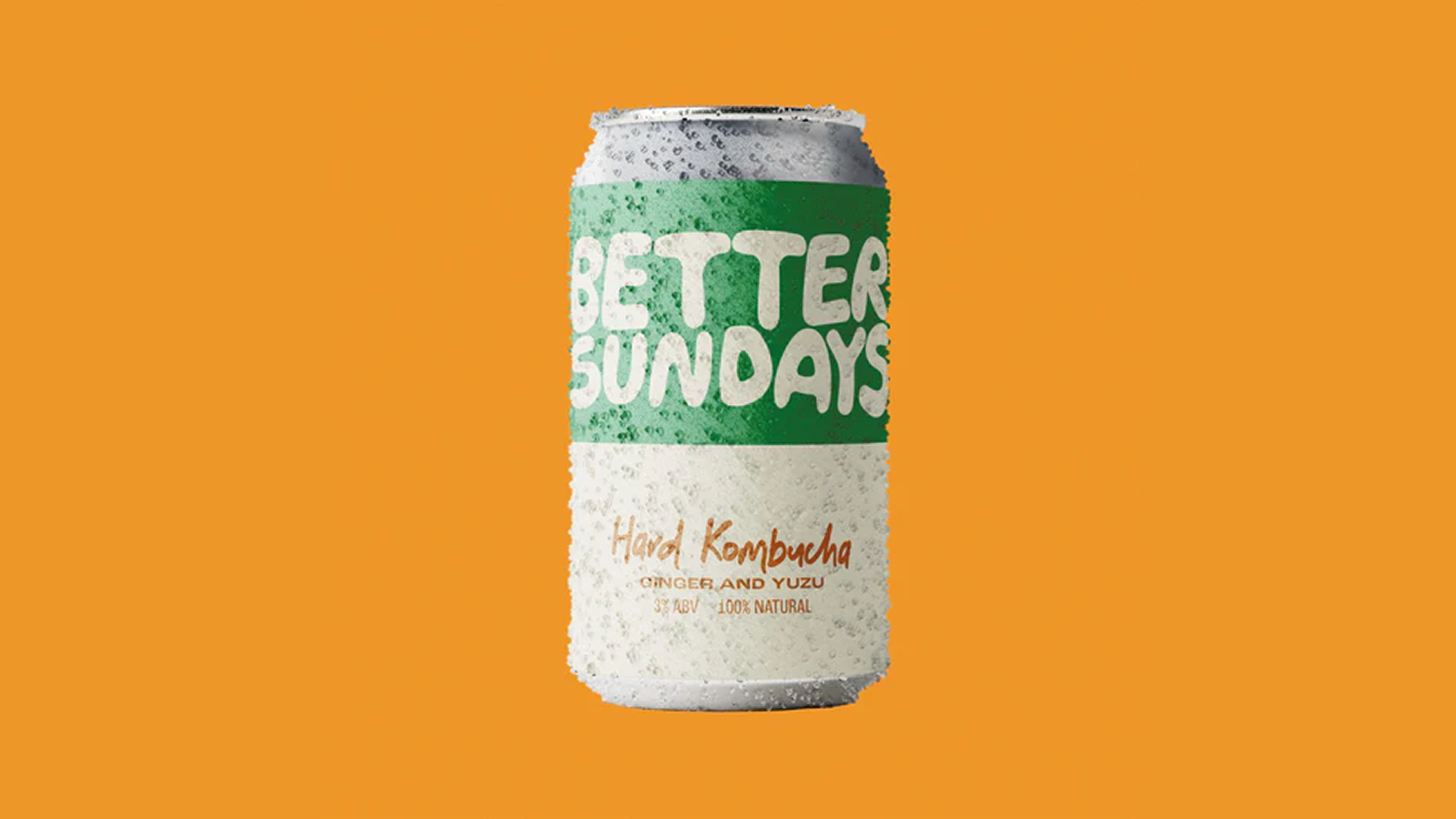
In Europe, Better Sundays is an exciting challenger to watch. As highlighted in our Kombucha Report 2026, they are disrupting the alcohol aisle with a mid-ABV hard kombucha that avoids the "health tonic" trap. Instead, they position their drink as a lifestyle upgrade - a "cleaner" social lubricant that directly challenges the cider and beer occasion.
Consumer Drivers: Why Drinkers Are Switching
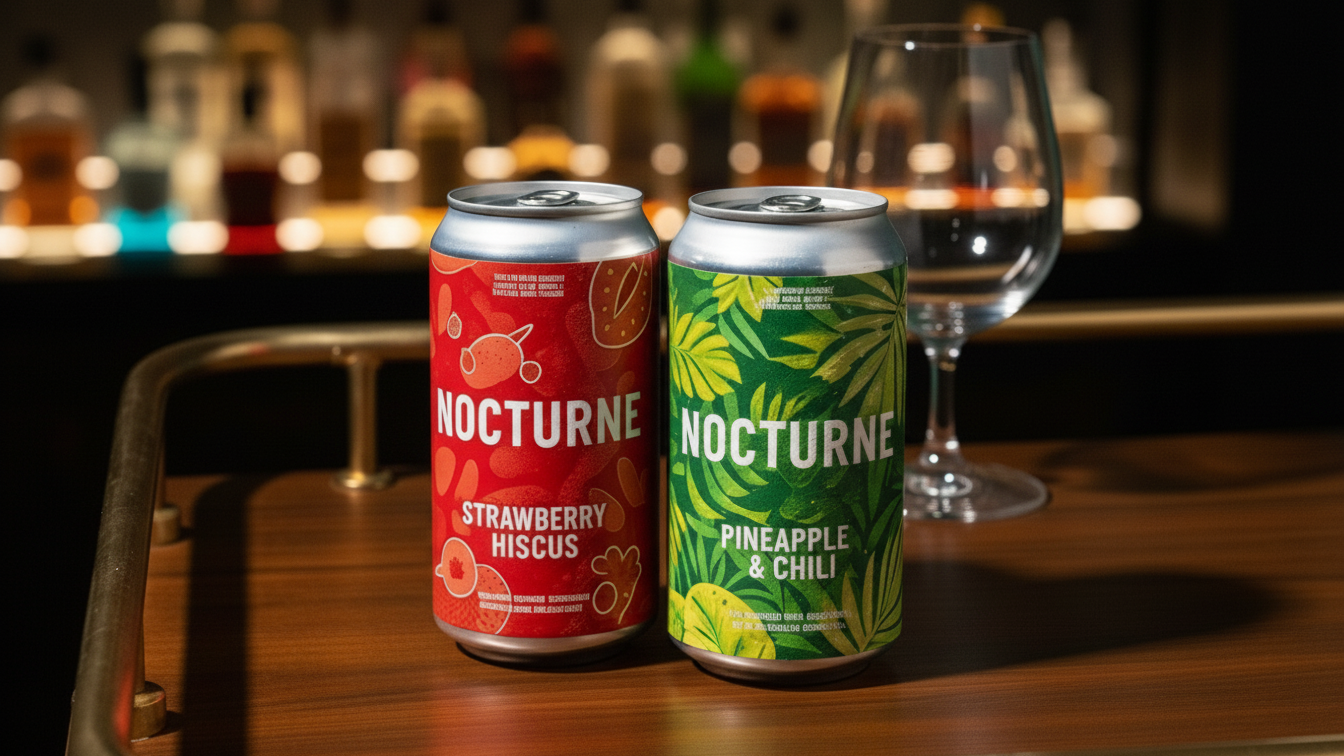
Why is the same consumer drinking your functional wellness shot might also be buying a 5% ABV Hard Kombucha? It comes down to organoleptic complexity.
The "Hard Seltzer" boom proved that consumers want low calories, but it also proved they eventually get bored of "watery" flavours. Seltzers lack soul. They lack body. Hard Kombucha fills this sensory gap perfectly.
First, you get a dry, grown-up finish. Because it’s brewed from tea, it has tannins—just like wine. This gives the liquid structure and stops it from tasting like a sugary soda.
Then there’s the "Acetic Bite". Fermentation creates a natural sharpness that hits the back of the throat. It mimics the warmth of a spirit, satisfying that craving for an 'adult' drink without the high alcohol content. Finally, there is mouthfeel. Residual proteins from fermentation give the liquid a body and texture that water-based seltzers simply can’t mimic.
Production Strategy: The "Blending" Cheat Code
For Operations Managers and Technical Leads, the idea of brewing Hard Kombucha is can be a worry. Attempting to push a traditional SCOBY to 5% ABV is a biological gamble. You risk stressing the culture, creating off-flavours, or worse—turning your entire batch into vinegar.
The Smart Play: Blending vs. Brewing.
We're seeing the most successful scale-ups bypass the "dual fermentation" risk entirely by using a Base-First Strategy.
The Base: Use a clean, neutral spirit or sugar-brew to provide the alcohol content.
The Character: Blend in a high strength, long aged ingredient like our Organic Black Tea Fermented Base. This provides the authentic kombucha profile, acids, and tannins.
This approach decouples the alcohol production from the flavour profile. It ensures that every can tastes identical—a non-negotiable for retail listings—and allows you to "dial in" the exact level of acetic bite you want.
Commercially, the advantages are huge. You can reduce production lead times from 30+ days to just 24-48 hours. You eliminate batch variation and "stuck" ferments. Most importantly, you gain total control over the final ABV, which helps you avoid the regulatory nightmare of "creeping" alcohol levels in the can.
If you're looking to set up your line for this process, our guide on scaling your drinks business offers a roadmap.
The Window is Open
Seltzer fatigue created the vacuum, but Hard Kombucha is filling it with something better.
The data is clear. The demand is there - and there’s growth projected.
With the European market currently 2-3 years behind the US, the position for "Category Leader" is still up for grabs. But as brands gear up for 2026, that window won't stay open forever.
Get the full forecast in our Kombucha Report 2026. Or, if you want to avoid the risk of a stalled ferment, contact our team.