
Non-Alcoholic Spirits & Amaro: Building Bittersweet Complexity Without the ABV
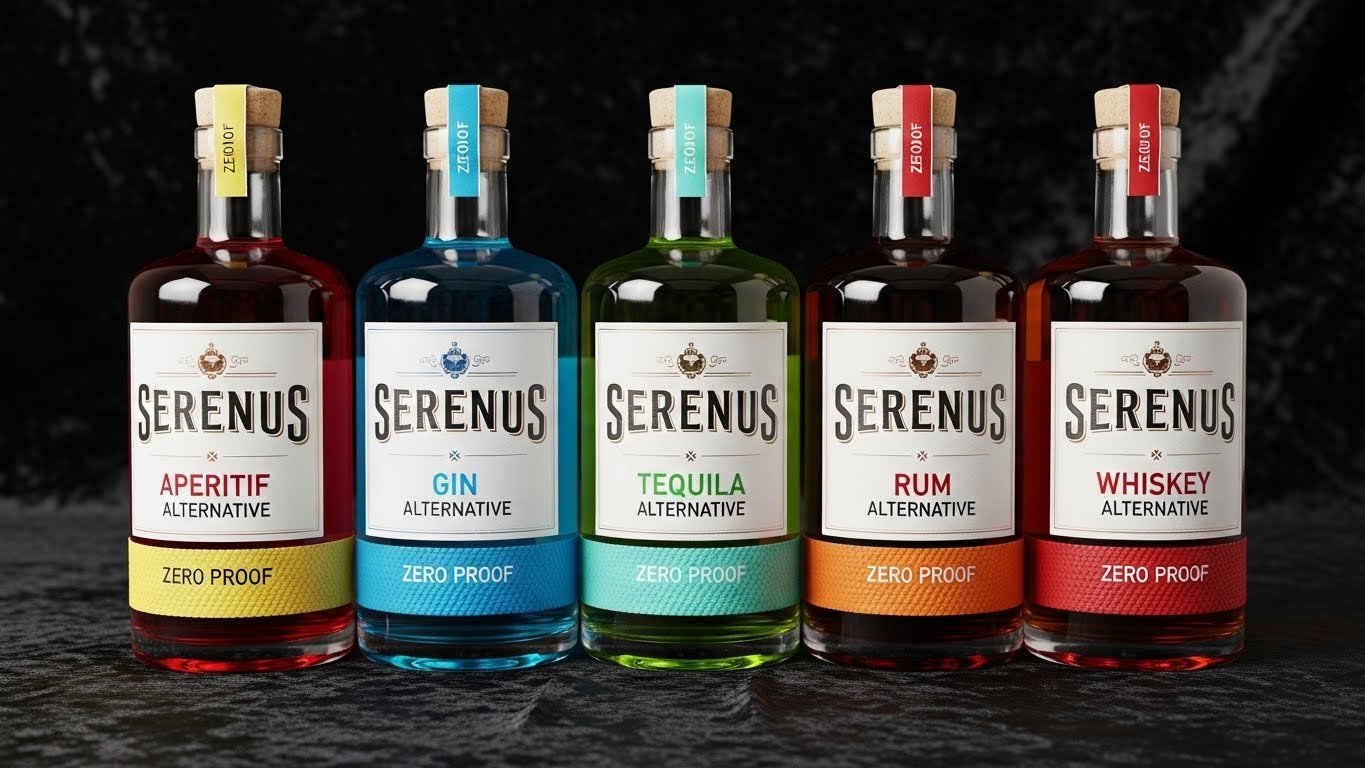
The ice cracks. The heavy glass hits the coaster. The liquid is dark, viscous, and smells of bitter orange and aromatic roots.
For the drinker, this should be the seamless transition to a new occasion. It’s the ritual that marks the end of the workday and the start of the evening.
For a long time, the non-alcoholic category completely missed this. It offered "floral waters" that disappeared in tonic, or sugary mocktails that lacked maturity. But the market has grown up. We are now seeing a surge in sophisticated Amaro and Aperitif-style spirits that do better at mimicking the taste of alcohol. They also replicate the weight, the burn, and the occasion.
According to Fortune Business Insights, the global non-alc spirits market is already valued at over $330 million and is forecast to nearly double by 2032. But as we explore in our No/Low Alcohol Report 2026, the real story goes beyond volume. It’s the shift in quality.
Market Trends: Moving From Substitution to Elevation
The consumer driving this growth isn't who you think it is.
Data from Hicork reveals that 94% of non-alc spirit buyers also buy traditional alcohol. They aren't teetotalers. They are Zebra Stripers - drinkers who love a Negroni but want to pace themselves. Because they drink alcohol, their standards are incredibly high. They know exactly what a Campari or a Fernet Branca should taste like, and they won't settle for flavoured water.
Forbes describes this shift as moving "from limitation to elevation". Consumers now demand three things:
A Familiar Ritual: The bottle, the pour, the garnish.
Credible Complexity: Bitterness and length that rewards slow sipping.
Functional Benefit: A shift from "absence of alcohol" to "presence of mood."
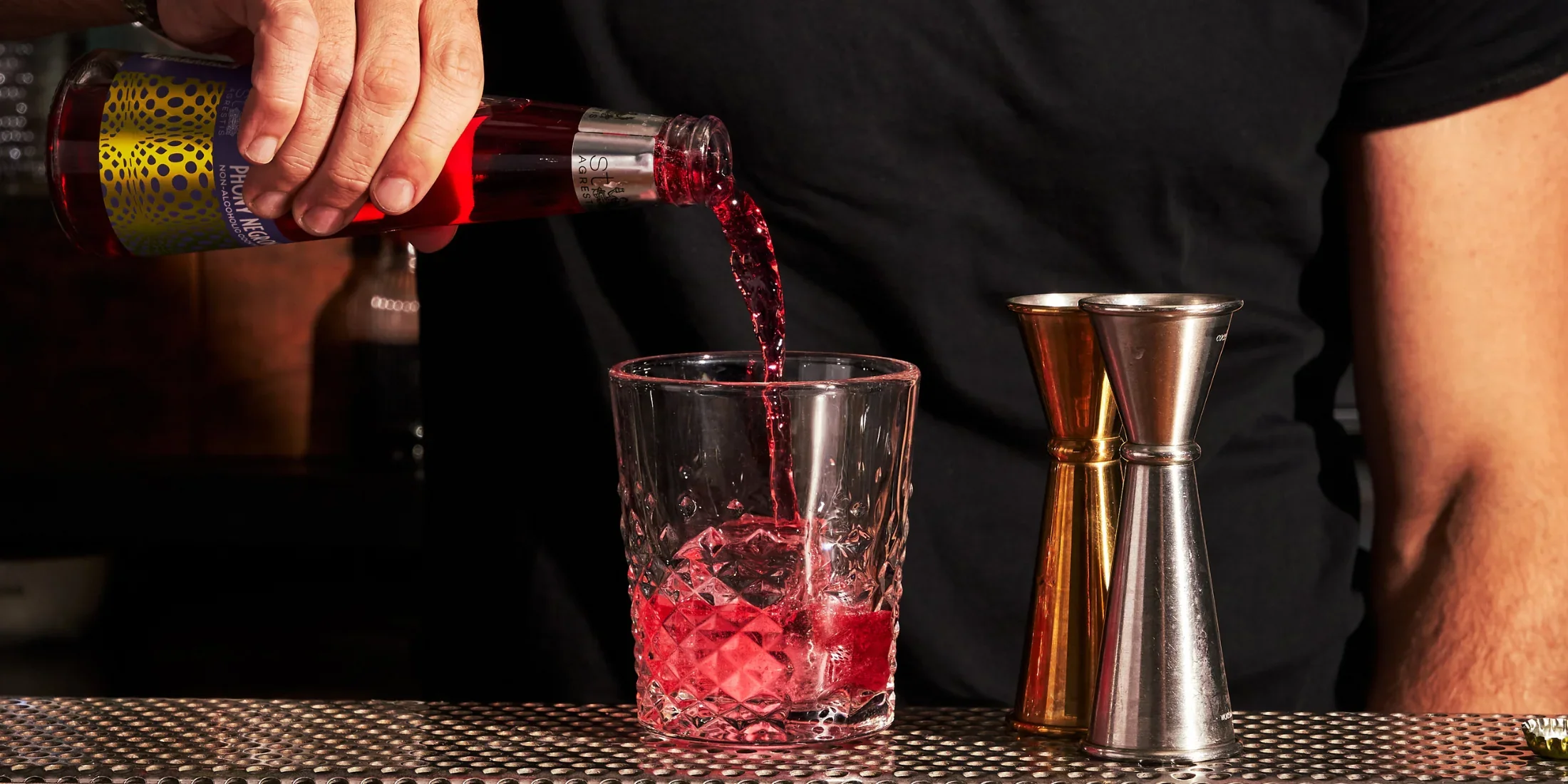
A long pour of St Agrestis’ phoney Negroni
Leading Brands Defining the Amaro & Aperitif Category
A very dynamic corner of this market is the Amaro and Aperitif segment. These drinks naturally lean into bitterness and herbal density, flavours that the brain instantly reads as "adult."
Take St. Agrestis in New York. Their Amaro Falso avoids simple flavouring; instead, it uses a blend of 20 herbs, spices, and botanicals to deliver an intense, medicinal bitterness. Crucially, they use carbonation to mimic the "bite" and mouthfeel that usually comes from ethanol.
Then there’s Ghia. They’ve built a cult following not by copying gin, but by creating a distinct Mediterranean aperitif profile using lemon balm, rosemary, and elderflower. It has the bite and the dryness to stand up in a spritz without feeling weak.
In the UK, Three Spirit markets "elixirs" rather than spirits, using functional ingredients like Lion’s Mane mushroom and cacao to create a specific mood - social energy or night-time calm.
These brands are winning because they understand that a non-alc spirit needs to be "nursable." It needs to sit in the glass for 20 minutes and still taste interesting.
The Formulation Challenge: How to Replace the Alcohol Burn
R&D teams face a physics problem. Ethanol is a solvent for aromatics, it provides body, and it delivers that signature warmth at the back of the throat.
If you strip that out and start with a neutral water base, you often end up with a "donut effect"-flavour at the start, flavour at the end, but nothing in the middle.
This is where fermentation becomes the cheat code.
Leading formulators are increasingly using long-aged fermented tea bases as the structural backbone for non-alc spirits. Here is why it works:
Natural Acidity: Organic acids (acetic, lactic) provide a prickly "bite" and backbone that mimics the structure of alcohol without synthetic additives.
Tannin & Grip: Tea-derived tannins create astringency, drying out the palate in a way that echoes the finish of a good amaro or red wine.
Aromatic Evolution: Fermentation adds subtle funk and layered aromatics that evolve in the glass.
The New Engine: Fermentation, Botanicals, and Function Stacking
The winning formula for the next generation of non-alc spirits is a three-part engine: Fermented Base + Botanicals + Function Stacking.
By layering adaptogens (like Ashwagandha) and nootropics (like L-Theanine) on top of a robust fermented base, brands can replicate the "unwind" of a digestif.
Three Practical Build Directions:
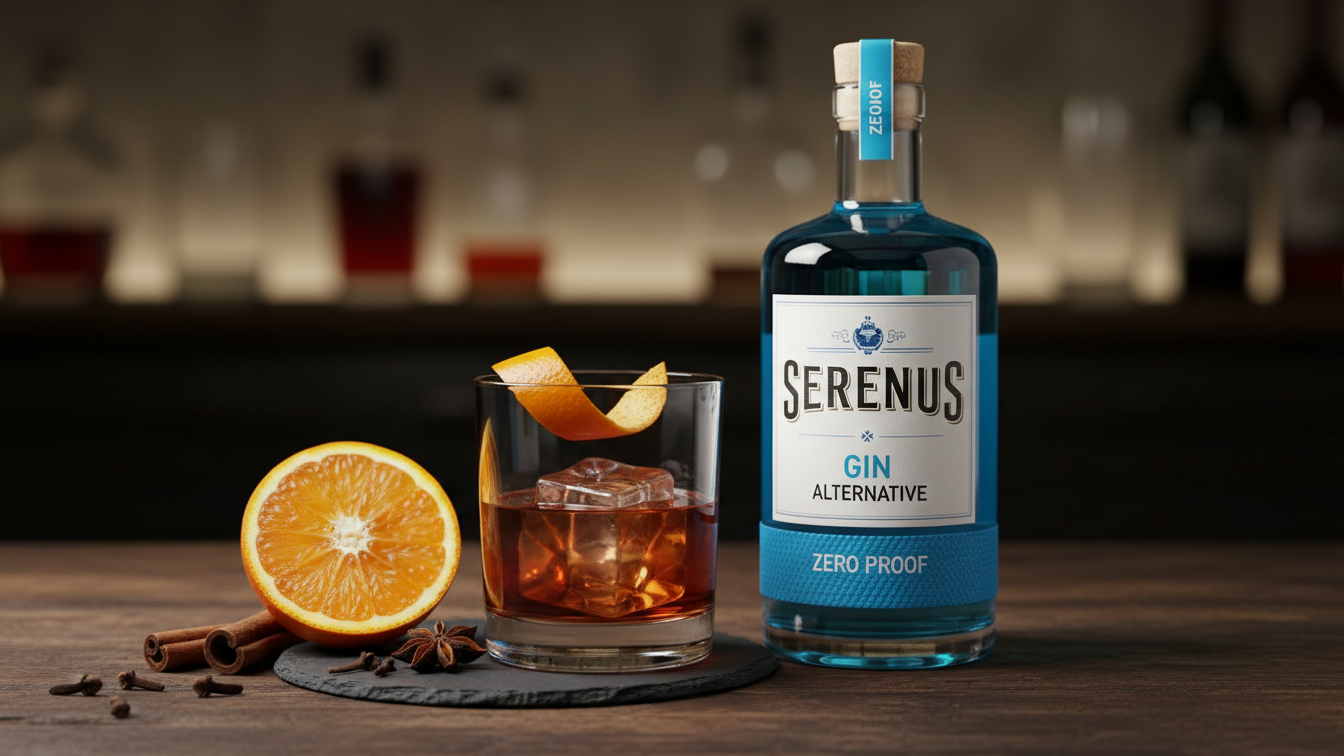
The Non-Alc Negroni: Start with a fermented black tea base for tannic depth. Layer with bitter orange peel and warming spices. This creates a bittersweet "red" aperitif that holds its structure even when diluted with ice.
The Zero-Proof Spritz: Use a bright, acetic fermented green tea base. Blend with floral botanicals like elderflower and lemon balm. Lengthen with soda for a drink that reads as a genuine Italian aperitivo.
The Functional Nightcap: Use a rich, dark fermented base. Stack with calming botanicals like valerian or chamomile. It delivers the ritual of a nightcap without the sleep disruption.
Our No/Low Alcohol Report 2026 also includes specific recipes and build ratios you can tap into.
The Strategic Opportunity
The non-alc spirits market is forecast to double in value over the next decade. But the winners won't be the ones making "fake gin."
The winners will be the brands that treat non-alc as an art form. They will be the ones creating complex, standalone liquids like St. Agrestis and Ghia, liquids that earn their place on the back bar because they are delicious.
By combining fermented foundations with amaro-style complexity, you can build a product that commands respect. You can build a modern classic.
Ready to Build a Complex Non-Alc Spirit?
For a complete breakdown of the data driving this shift - and the Zebra Stripers buying these drinks - download our No/Low Alcohol Report 2026.
Once you have the insights, explore how Good Culture’s fermented tea bases can provide the structural "spine" for your next launch. Contact our Technical Team to request a sample today.