
From Dry January to Every Day: The Rise of the Zebra Striper
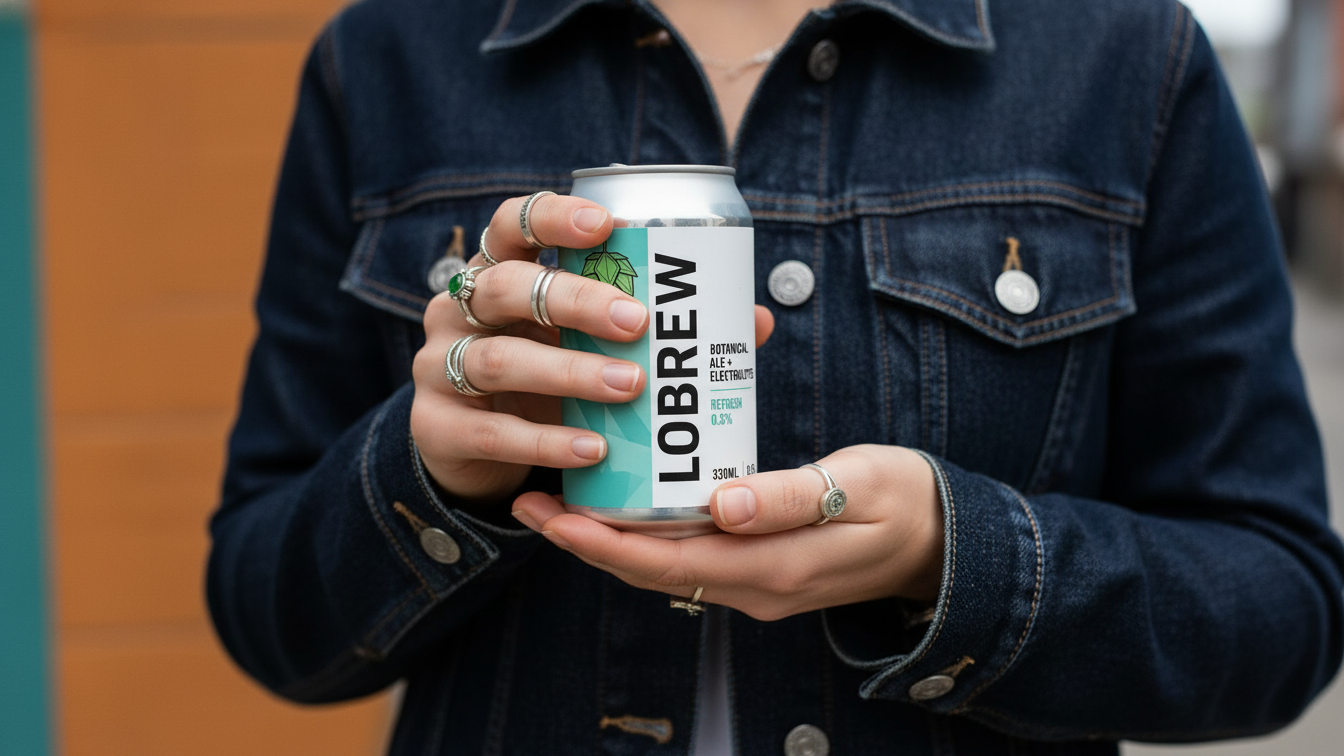
Forget Dry January. The real growth in no/low alcohol is happening year-round, driven by a new kind of drinker: the Zebra Striper.
Low and no alcohol has graduated from a niche experiment to a core growth engine. For brands wanting to win in this new moderation economy, understanding this consumer isn't optional – it’s the whole playbook. This post breaks down exactly who they are and how our No/Low Alcohol Report 2026 helps you build a portfolio that wins their loyalty.
What ‘No and Low’ Actually Covers
Before talking about behaviour, it helps to be precise.
In most markets, low alcohol refers to drinks under 1.2% ABV – think brewed or blended beers and wines. Alcohol-free is stricter, generally sitting between 0.05% and 0.5% depending on local laws.
Policy and public-health bodies such as the UK government and WHO underline why those thresholds matter: they shape how products are labelled, taxed, and monitored in a category that is expanding far faster than traditional alcohol.
From a consumer perspective, though, the language is looser. Consumers will talk about "zero-proof", "alcohol-free", or "non-alcoholic" to describe everything from 0.0% spirits to 1.0% kombucha, as long as the drink feels safe to order on a work night or during a "mindful" period.
For hospitality and brand teams, that gap is important. It shapes how products are labelled and positioned for guests who are trying to moderate, not necessarily abstain.
Meet the Zebra Striper: Moderation in Action
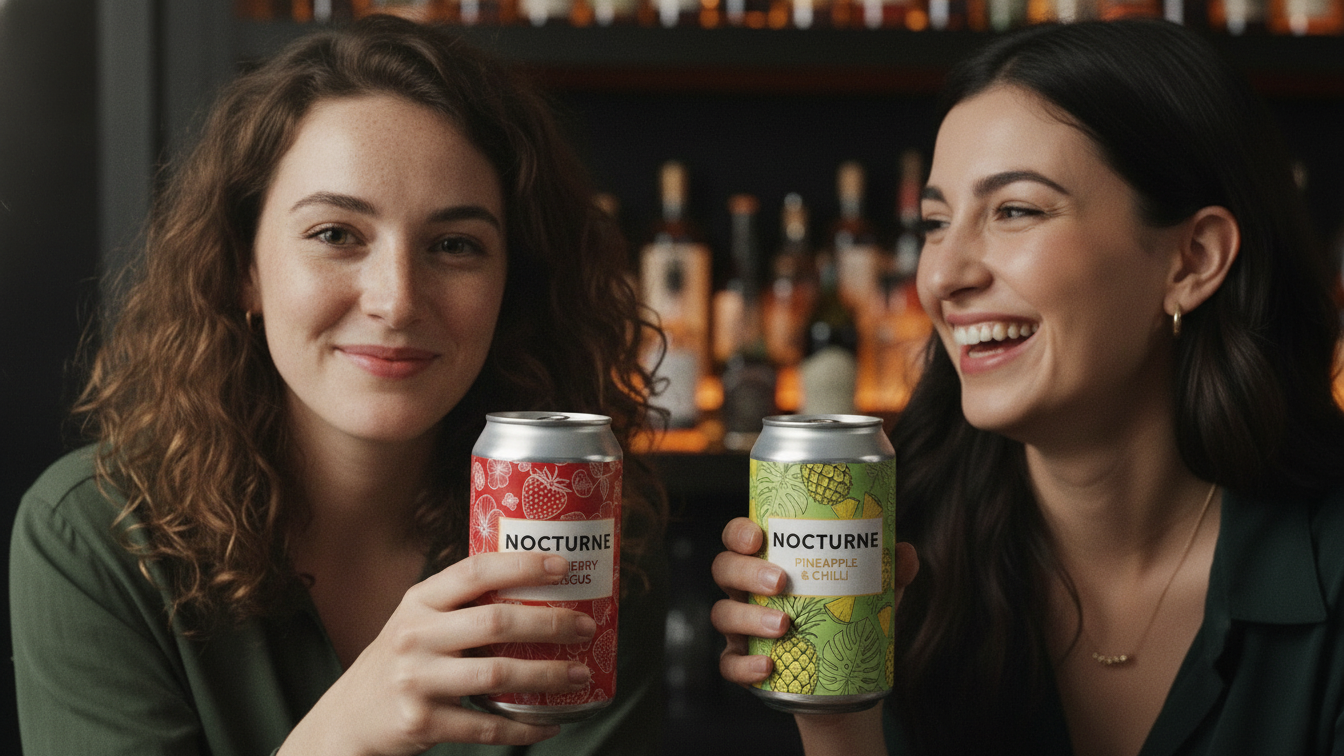
For brands and operators, the most valuable guest isn't the abstainer. It’s the Zebra Striper – the drinker who flips between full-strength and non-alc in a single night.
They move from a cocktail to an alcohol-free spritz, then back to a glass of wine, pacing the night to stay social without the hangover.
ECRM’s 2025 report defines zebra striping simply: consuming alcoholic and non-alcoholic drinks in the same session. They highlight it as a behaviour brands "cannot afford to ignore." According to NIQ data, roughly half of on-premise drinkers already report alternating options within a single visit – sometimes swapping a cocktail for a non-alc beer, or choosing a functional non-alcoholic drink after a stronger round.
Recent hospitality data backs this up. EHL’s beverage-trends analysis notes that younger guests increasingly talk about "staying in control". Alcohol-free serves are becoming a core business strategy rather than a seasonal add-on.
For operators and brands, Zebra Stripers are powerful because they spend across categories. They buy cocktails, wine, beer, and premium low and no alcohol drinks – and they expect the Non-Alc part of the rotation to feel just as adult as the alcoholic serves.
How Zebra Stripers Are Driving No/Low RTDs
This alternating behaviour is moving no/low from the menu margins to the centre. Functional non-alcoholic drinks now combine two major trends: declining alcohol consumption and rising demand for function (stress relief, focus, gut health).
FoodNavigator describes this space as an "exploding" market that merges the non-alc boom with the functional beverage category.
Zebra Stripers want drinks that keep them in the moment. Volume is flowing into No/Low RTDs and functional spirits that behave like "real" bar products:
Bottled or canned spritzes built on non-alcoholic aperitifs and fermented bases, ready to pour over ice.
Functional spirits designed for "mind balance", using botanicals, adaptogens, and fermentation to deliver a complex sipping experience.
Because these formats fit easily into existing fridges and back-bars, they make it effortless for guests to switch between full-strength and non-alc without killing the vibe – giving operators a high-margin way to capitalise on the moderation mindset.
Why ‘Second-Tier’ Drinks Lose the Zebra Striper
The challenge is that Zebra Stripers aren't coming from soft drinks – they’re coming from serious alcoholic products.
They might move from a hoppy IPA or a tannic red wine to a no and low alcohol drink. If the Non-Alc option is thin, over-sweet, or one-note, the contrast is brutal. As Good Culture’s non-alc work shows, once a guest tries a "token" Non-Alc serve that feels like a kids’ soda in disguise, they either go back to alcohol or opt out entirely.
From a formulation perspective, that means three things:
Mouthfeel is non-negotiable. Alcohol provides body and length; in no/low drinks, those cues need to come from fermentation, tannin, and organic acids.
Complexity matters. Winning products layer botanicals, tea, and fermented bases to create an evolving flavour profile, not just a single sweet hit.
Function Stacking must feel natural. Zebra Stripers respond to clear roles – "calm focus" or "gut health" – but will reject anything that tastes like a "chemical soup" of added ingredients.
Good Culture’s guidance emphasises starting with a robust fermented base to deliver adult-grade taste, rather than trying to fix a neutral base with flavours and sweeteners.
From Insight to Action: Designing for the Zebra Striper
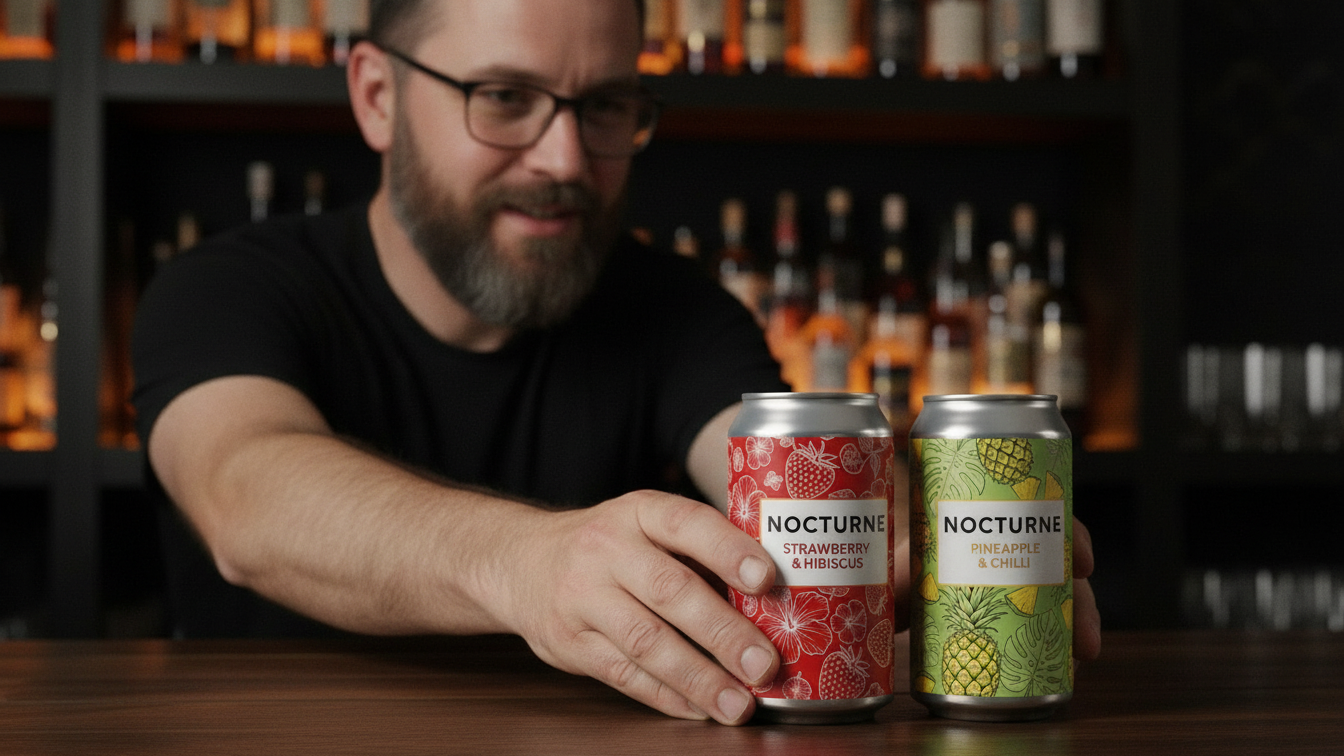
Winning in a zebra-striped world means designing backwards from the consumer. That looks like:
Building ranges where every Non-Alc SKU has a clear job-to-be-done (e.g., late-night unwind) and the sensory depth to stand toe-to-toe with its alcoholic counterpart.
Using fermented bases to deliver the burn, tension, and length that signal "adult beverage" to the brain.
Training staff to recommend no and low alcohol options as part of the same conversation as wine and cocktails – not as an apologetic add-on.
ECRM, Hospitality Insights, and FoodNavigator all point in the same direction: moderation is the default. Guests will reward operators who make it effortless to switch.
For teams serious about this opportunity, Good Culture’s No/Low Alcohol Report 2026 is the full commercial playbook. It goes deeper into Zebra Striper data, Function Stacking, clean label expectations, and the operational piece – including how fermented bases help you scale No/Low launches fast enough to keep up with demand.
Download the Report to position yourself not just as a supplier, but as a strategic partner for the new moderation economy.