
Unlock Adult Flavour: The Fermentation Cheat Code for No/Low Alcohol
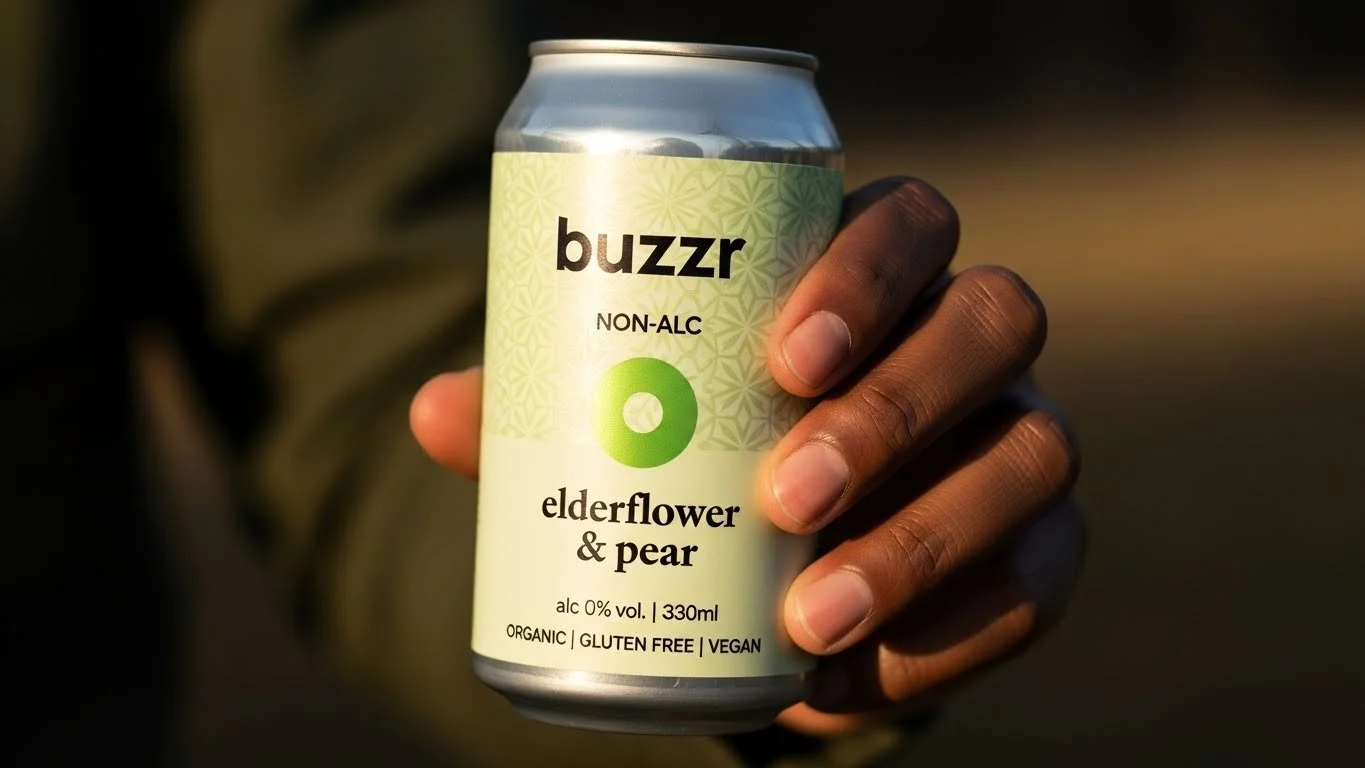
As consumers demand more serious, adult non-alcoholic drinks, the formulation brief has changed.
It’s no longer enough to be "alcohol-free and fruity" – the winning products combine complex flavour, credible function, and clean labels in one glass.
That’s a tall order if you start with a neutral base and build everything with flavours, acidifiers, and sweeteners. But it’s much more achievable if fermentation is doing the heavy lifting.
Fermentation as the ‘Cheat Code’ for Adult Non-Alc
Fermentation gives non-alcoholic drinks something most flavour systems struggle to deliver on their own: a naturally complex backbone of organic acids and aroma compounds that behave like alcohol in the glass.
As we outlined in our No/Low Alcohol Report 2026, long-aged fermented tea bases provide a ready-made structure for adult Non-Alc. They contribute depth, tension, and a subtle "bite" that makes drinks feel sessionable rather than soft-drink sweet.
In the report, we describe fermented bases as the "cheat code" for creating legitimate, grown-up drinks that compete on taste, not just claims. Good Culture’s sensory work shows how fermented green and black tea bases deliver the taste, aroma, and mouthfeel that most no/low launches struggle to replicate once alcohol is removed.
By starting with a robust fermented base, R&D teams get a layered canvas to build on. This cuts down the need for piles of single-note acidifiers and sweeteners to compensate for flatness.

Replicating Burn, Structure, and Length (Without ABV)
So, how does it work? Fermented tea bases upgrade the organoleptic profile of non-alcoholic drinks in three key ways that matter to adult drinkers:
Acidity & ‘Bite’: They bring a slight acetic bite that the brain recognises as an adult cue, creating tension on the palate.
Layered Aroma: They add tea, fermentation notes, and gentle funk that evolves in-glass, so the drink tastes different from the first sip to the last.
Mouthfeel & Astringency: They contribute body and a drying finish that reads as length rather than a sugary aftertaste.
By contrast, builds that rely on stacked synthetic acidifiers can often feel like a chemical soup. Sharpness, but without the depth. You get a single, hard sour note and ingredients that clash with clean-label expectations. Fermented acidity lets brands keep labels tight, build in functional benefits, and still achieve the complex profile you need to win repeat purchases.
From Mocktails to Sophisticated, Functional Serves
Once fermentation is doing the heavy lifting, it becomes much easier to move beyond basic mocktails:
A Non-Alc Spritz: Built on fermented tea, bitters, and citrus, using the base to provide structure while botanicals add lift.
An Amaro-Style Aperitif: Where a fermented black tea base supplies acidity, tannin, and length, creating a bittersweet, sipping-worthy profile.
A Functional Soda: Combining fermented acidity with electrolytes and adaptogens for performance without the pint. It’s ideal for Zebra Stripers.
In each case, the fermented base acts as the foundation – a sensorial platform that lets you build drinks that feel like serious, modern beverages.

The Key Trends Driving Adult Flavour
Non-alcoholic drinks are being reshaped by powerful market forces. The data backs this up:
The Volume Shift is Real
The market is moving fast. According to IWSR, the no-alcohol category is forecast to grow at a +7% volume CAGR through 2028, significantly outpacing low-alcohol. This demands higher quality liquids.
Moderation & ‘Zebra Striping’
Consumers are changing how they drink. KAM Insight reveals that 76% of UK drinkers are now actively moderating their intake. Crucially, 34% report regularly "zebra striping" – alternating between alcoholic and non-alcoholic drinks on a night out. To hold its own in that rotation, your non-alc SKU needs to taste as sophisticated as the Pinot Noir or IPA it’s replacing.
The Clean Label Backlash
As scrutiny of Ultra-Processed Foods (UPF) intensifies, fermented bases offer a "naturally fermented" story that replaces stacked synthetic acidifiers. This aligns perfectly with the health-conscious consumers driving the category’s growth.
What This Means for R&D and Brand Teams
Build from the Base Up: Prioritise fermentation, structure, and function instead of spinning up a last-minute SKU with a neutral base with flavours added on.
Test for Adult Use Cases: Ensure the drink holds its own at the right occasion. If it can't, it won't earn a place in a Zebra Striper’s rotation.
Treat Sensory & Function as One Brief: Every launch should have a clear job to be done and a flavour profile structured enough to support that promise.
Ready to Build Truly Adult Non-Alcoholic Drinks?
Adult non-alcoholic drinks now demand complex flavour, credible function, and clean labels – and fermentation is the fastest route to delivering all three in one glass.
Download the No/Low Alcohol Report 2026 for a deeper dive into consumption habits, the great volume shift, and detailed guidance on functional stacking with fermented bases.
Once you’ve digested the data, contact our technical team to discuss how our fermented solutions can help you move straight from insight to brief.