
Non-Alcoholic Wine: The Blueprint for Premium No/Low Success
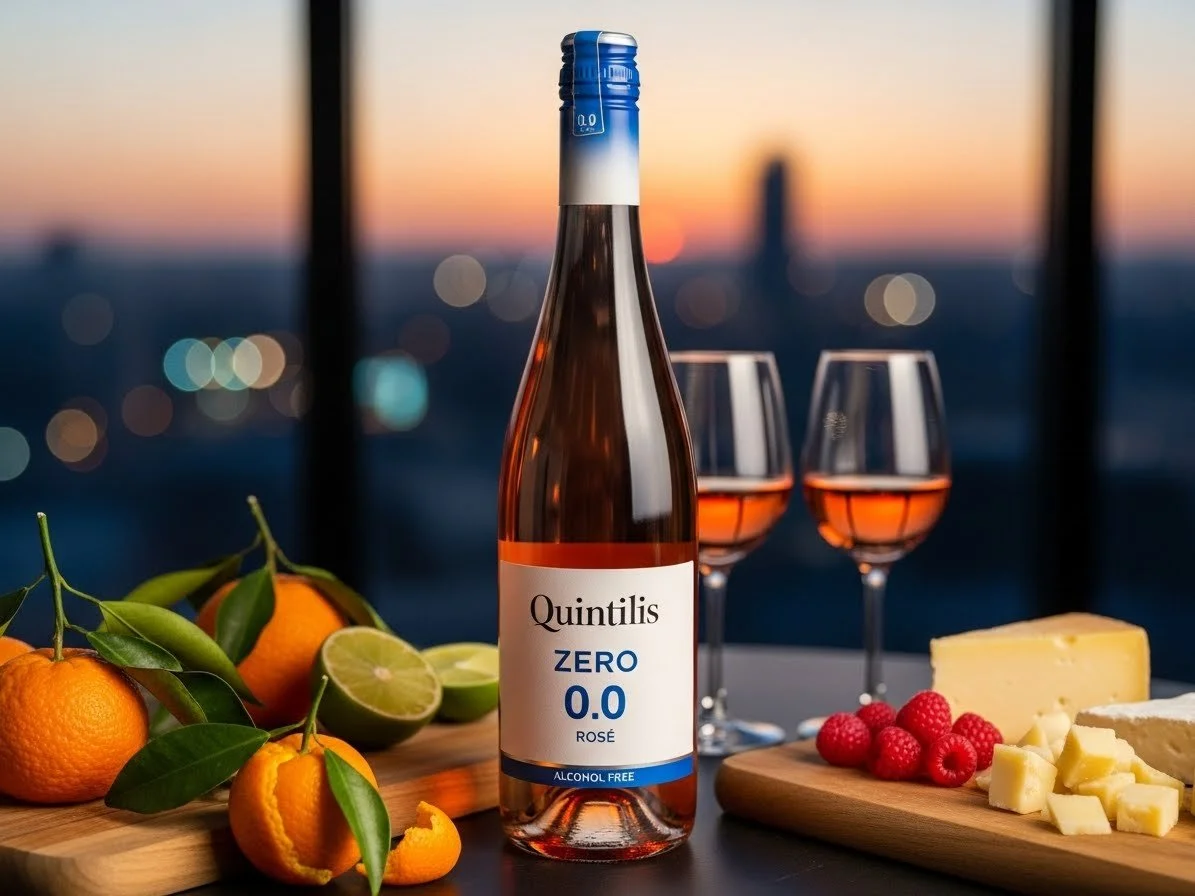
For years, non-alcoholic wine was the poor relation of the alcohol-free world – often dismissed as thin, sweet, and structurally weak.
But that narrative is changing. Driven by massive investment in technology and a pivot toward "terroir-driven" production, non-alcoholic wine is rapidly becoming the benchmark for quality in the No/Low category. For beverage manufacturers across all segments – from functional sodas to kombucha – the evolution of non-alc wine offers a roadmap for how to build structure, command premium pricing, and win the loyalty of the modern drinker.
The Numbers Tell a Compelling Story
While traditional wine volumes are in structural decline (falling –2.4% annually according to IWSR), the non-alcoholic segment is surging.
NielsenIQ reports that US sales of non-alcoholic wine grew +27.2% in 2024. Global forecasts are equally bullish, with Meticulous Research projecting the market to grow at a CAGR of 11.6%, reaching $2.61 billion by 2032.
This isn't a niche trend for abstainers. IWSR notes that the percentage of American drinkers consuming non-alcoholic beverages more than doubled in 2024, rising from 6% to 13%.
The ‘Zebra Striper’ Validation
Perhaps the most critical data point for any beverage brand is who is drinking this stuff.
Research from luxury producer French Bloom reveals that roughly 80% of their customers still drink alcohol. They aren't sober; they’re Zebra Stripers – consumers who alternate between full-strength and alcohol-free options within the same occasion.
This validates the "moderation economy." These drinkers treat non-alc wine as a lateral move rather than a downgrade. They expect the same dining ritual, the same glassware, and crucially, the same level of complexity they get from a Burgundy or a Barolo.
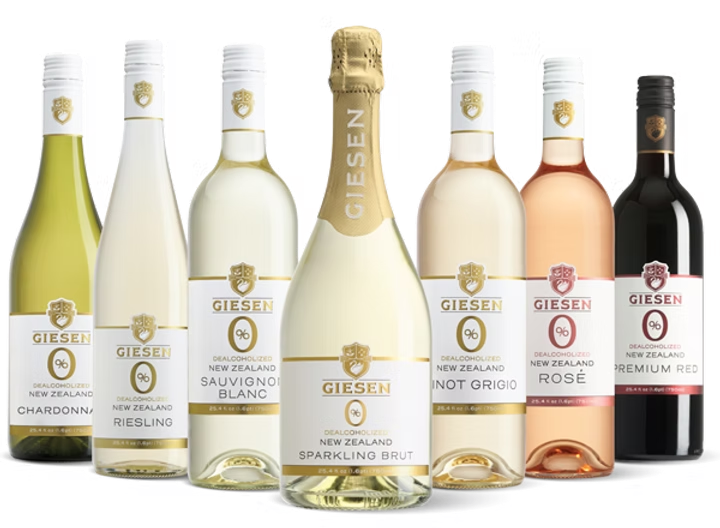
Image by Giesen Wines
The Sensory Barrier: Why ‘De-alc’ is So Expensive
But the explosion in quality hasn't come cheap. Leading brands like New Zealand’s Giesen have invested over $1 million in proprietary Spinning Cone Column (SCC) technology to remove alcohol while trying to preserve aroma.
But even with high-tech kit, removing alcohol can be traumatic for the liquid. As Catherine Diao of Studio Null puts it, removing alcohol (which creates body and texture) is like "removing a load-bearing wall". You often lose the volatile aromas and the mid-palate weight, leaving a "donut effect" – flavour at the start and end, but nothing in the middle.
To fix this, the best producers are now engineering the base liquid specifically for dealcoholisation. French Bloom, for example, recently acquired a 25-hectare estate in Limoux to control the farming and harvest specifically for non-alc production. They’re realising that you can't just fix a bad base with technology; the raw material has to be engineered for the end result.
The Lesson for Functional Brands: Base Matters
This is where the non-alc wine journey intersects with our philosophy at Good Culture.
Wine producers are spending millions on CAPEX (Spinning Cone Columns, vacuum distillation) to try and put back the structure that alcohol removal takes away.
For manufacturers of functional beverages, kombucha, and non-alc spirits, there is a smarter route: fermentation.
Good Culture’s fermented tea bases naturally provide the organoleptic profile that wine producers are fighting to replicate.
Acidity & Tannin: Naturally occurring organic acids provide the "bite" and structure that mimics ethanol.
Mouthfeel: Fermentation creates texture without the need for gums or excessive sugar.
Complexity: Long-aged bases offer the layered aromatics that define a premium "adult" drink.
You don't always need a $1 million machine to create structure. You need a fermented base that does the heavy lifting for you.
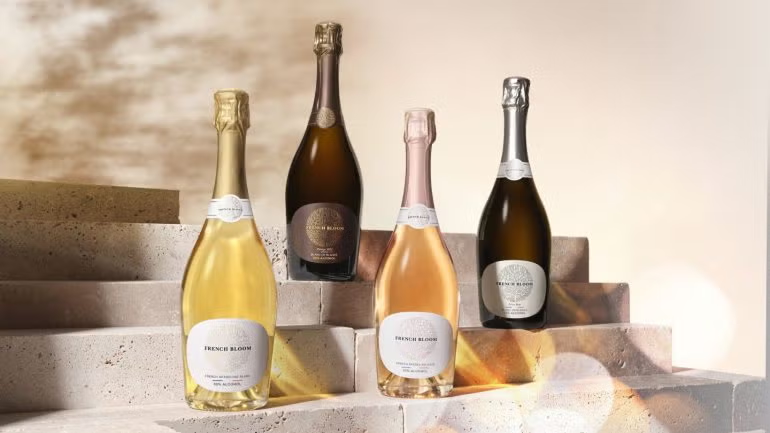
Image by French Bloom
Premiumisation is the Future
The success of brands like French Bloom (now backed by LVMH Luxury Ventures proves that consumers will pay premium prices – often $20–$30 a bottle – for a non-alcoholic product if the quality is there.
The "thin, sweet, one-dimensional" liquids of five years ago are being replaced by complex, food-pairable drinks. And the market has proven that if you can solve the sensory puzzle (specifically mouthfeel and length) the commercial ceiling is incredibly high.
Ready to Engineer Your Own Premium Liquid?
The data from the wine world is clear: structure, provenance, and complexity are the keys to unlocking the Zebra Striper's wallet.
For a deeper analysis of these market shifts and how to apply them to your product pipeline, download our No/Low Alcohol Report 2026.
And if you want to skip the high CAPEX of dealcoholisation technology, contact our technical team to learn how our fermented bases can provide the structure your next formulation needs.