
What the Winning Functional Beverage Brands Have in Common
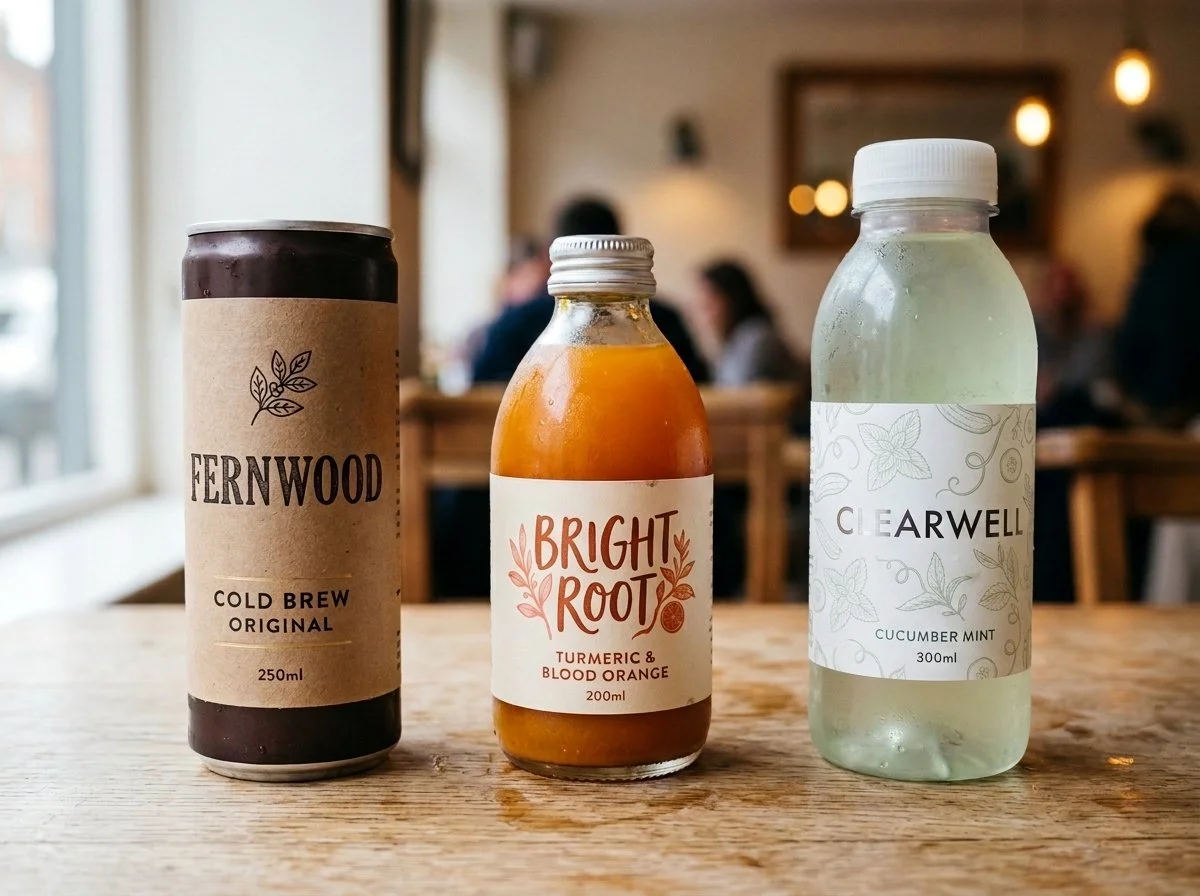
The functional beverage aisle looks different now. Ten years ago it was thin, niche and mostly kombucha.
Today it's the fastest-growing part of soft drinks, dominated by a small number of functional beverage brands doing most of the winning.
Poppi. Remedy. Moju. Trip. GT's. Different categories, different countries, different consumer bases. What separates them from the brands that didn't make it past year two isn't product quality. It's a set of decisions made early. About ingredient choice. About how the function was communicated. And about how they built for retail. These are decisions that compounded over time.
This post unpacks them. If you'd rather have the strategic playbook in one place, our Producer's Guide to Functional Beverages covers market data, formulation strategies, and ten ready-to-blend recipes. Free.
The Brands That Won and What They Chose
Take these five brands, with five different plays.
Poppi built a $500m business on prebiotic soda in seven years. PepsiCo acquired it in May 2025 for $1.95 billion, or $1.65 billion net after anticipated tax benefits. What Poppi got right wasn't the ingredient. Plenty of drinks contain apple cider vinegar and prebiotics. It was the positioning. Poppi reads as a soda that happens to be good for you, not a health drink pretending to be a soda.
Remedy built the world's third-largest kombucha business out of an Australian kitchen. Long-aged, zero sugar, shelf-stable, over 90 million cans a year, and the number-one kombucha brand in Australia, the UK, New Zealand and Singapore. Remedy's brand asset is compliance. "No sugar. For real." The nutritional claim is the brand.
Moju owns 62% of the UK functional shots category with a benefit-led range organised around three clear pillars: Vitality, Immunity, Gut Health. Fresh-pressed ingredients, no added sweeteners, distribution in every major UK supermarket. Moju's win was turning the functional shot into a mainstream daily habit rather than a specialist health-store buy.
Trip started in CBD in 2019 and evolved into calm. Its Mindful Blend range now runs on magnesium, lion's mane and ashwagandha rather than CBD. It's the top-selling drink on TikTok and the sixth-largest carbonated drinks company in the UK. What Trip sells isn't magnesium. It's "a little bit of calm in everyday chaos".
GT's has been brewing raw kombucha in the US since 1995 and holds around 40% of the US kombucha market at roughly $275 million a year. Its 30th anniversary rebrand positioned it as "The Real Kombucha", a direct shot at competitors it argues have commoditised the category through pasteurisation and shortcuts. The bet: authenticity and long fermentation are the moat.
Five different bets, five different categories. But they share more than the "functional" label.
Why Function Leads but Taste Keeps Consumers Coming Back
Every winning functional beverage brand is bought for a reason and rebought for taste. Consumers try Poppi because they've heard about gut health. They come back because it tastes like a soda. They try Trip because they want to feel calmer. They stay because it doesn't taste medicinal. They try Moju because they want more of what fresh ginger is supposed to do. They keep buying because the ritual sticks and the taste doesn't punish them.
Brands that fail on taste don't get a second try, no matter how strong the functional claim. Functional consumers are demanding, not tolerant. They'll pay premium for benefit, but they won't drink something unpleasant to get it. This is why the ingredient system underneath the finished drink matters more than any label.
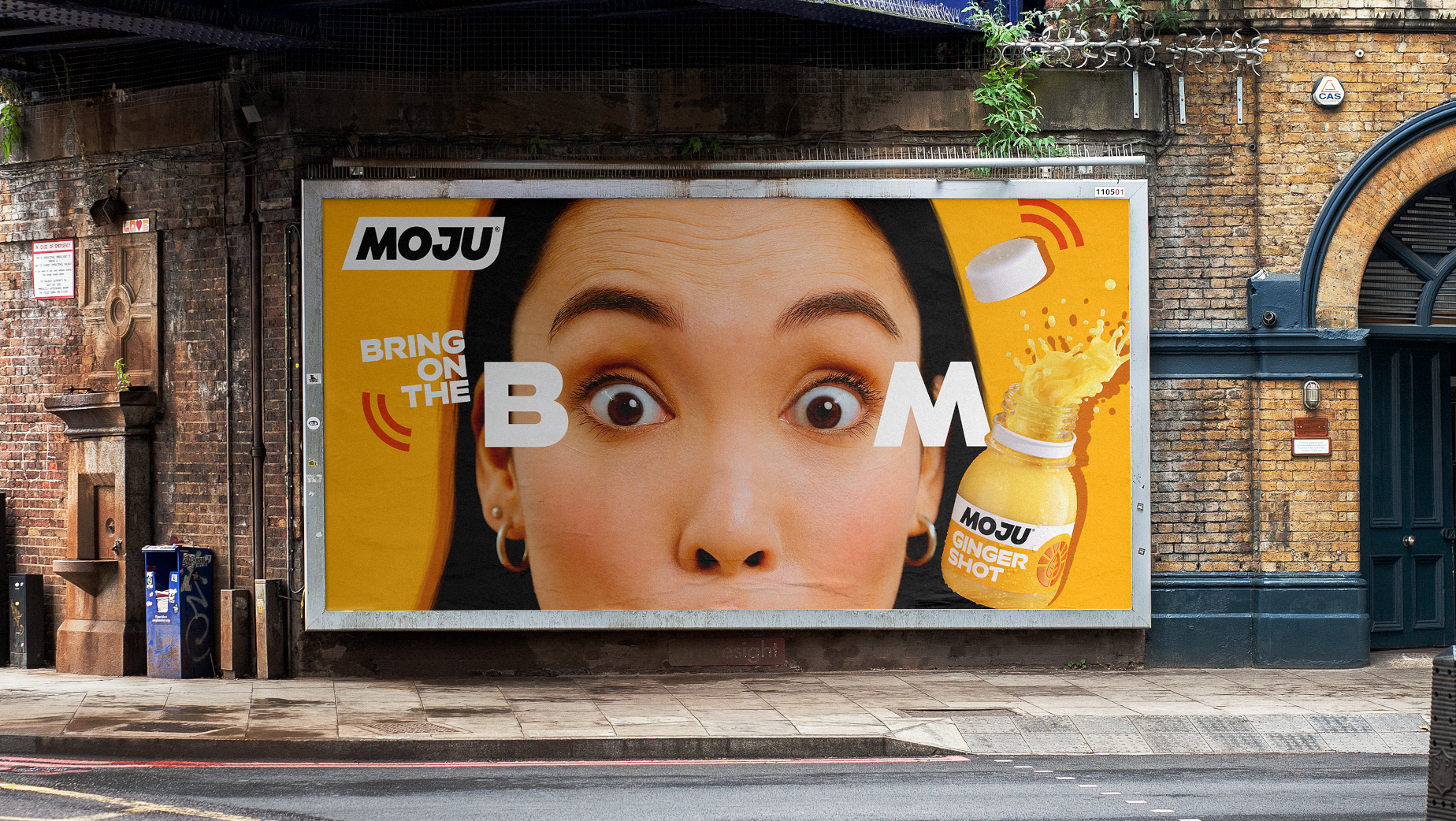
An example of how Moju’s OOH advertising leads with feeling.
How Messaging Is Shaped by Function: The Shift From Ingredient Claims to Lifestyle Positioning
Look at how the biggest brands actually talk about themselves.
Trip: "A little bit of calm in everyday chaos."
Poppi: "Be gut happy, be gut healthy."
Moju: Vitality. Immunity. Gut Health.
Remedy: "No sugar. For real."
GT's: "The Real Kombucha."
Not one of those is an ingredient sentence. None of them mention magnesium doses, prebiotic strains, active cultures, or ferment length. They're all consumer-state sentences. Calm. Gut. Vitality. Real.
That's the shift. Ten years ago functional drinks led on the ingredient. "Contains 15mg CBD." "500mg of turmeric." "With added probiotics." Today the ingredient is what makes the drink credible, not what makes it interesting. The interest is the state the drink promises. The ingredient is the receipt.
There's a regulatory reason for that too. Specific health claims about food products are strictly governed in every major market, so "reduces stress" is a claim that needs substantiation and "find your calm" isn't. Brands leading on positioning carry the association without carrying the compliance risk.
But the deeper reason is consumer. When a category is new, ingredient marketing works because consumers are still learning the vocabulary. When a category matures, ingredient marketing feels transactional. The winners moved from being educators to being lifestyle brands the moment the category could support it.
That shift is why brands with a natural, credible, self-evident functional story win. If the ingredient carries the association on its own, the brand doesn't need to over-claim to be believed. Fermented tea carries gut health. Magnesium carries calm. Cold-pressed ginger carries vitality. The ingredient is the story before the label even speaks.
What Ingredient Decisions the Winning Brands Have in Common
Look across the five brands and one pattern is impossible to miss. The ones that scaled built on fermented or naturally functional base ingredients, not on synthetic additives layered on top of a neutral base.
GT's is raw, long-fermented kombucha. Remedy is raw, long-aged kombucha with the sugar brewed out. Poppi is sparkling water with apple cider vinegar, cassava root fibre and agave inulin as the prebiotic sources. Trip is a lightly sparkling functional drink built around magnesium, ashwagandha and lion's mane. Moju is cold-pressed juice with ginger and turmeric doing the functional work.
The functional credentials sit in the ingredients themselves, not in what's layered on top.
There's a commercial reason for that. Consumers reading labels reject ingredients they don't recognise. The clean-label bar is rising, not falling. And once a category is dominated by naturally functional ingredients, entering it with a synthetic formulation looks dated on shelf.
This is where Good Culture fits. Our range of organic fermented bases delivers what those brands are selling: natural acidity, gut health association, clean label, and low sugar as a by-product of the fermentation process itself. The ingredient tells the functional story before the marketing does. Our post on natural acidity versus analogue acidifiers goes deeper on why that decision matters at the ingredient stage.
For brands planning to scale through a co-packer relationship, a stabilised, batch-consistent base also makes the co-packing conversation far cleaner from day one.
The Renovation Opportunity: What Existing Brands Are Doing to Stay Relevant
The winners aren't sitting still.
Moju's 2023 rebrand rebuilt the whole range around three benefit pillars after years of ingredient-led positioning. Trip's evolution from CBD to magnesium was a full category pivot, not a line extension. Remedy expanded into modern soda with Sodaly, into ginger beer, into wellness shots. GT's 30-year rebrand is a defensive move against a category commoditising underneath it.
The pattern: winners reformulate before they have to. They add functional credentials to existing SKUs. They reduce sugar ahead of regulation. They extend into adjacent formats.
For an existing brand, the renovation opportunity is real but time-sensitive. Sugar taxes are tightening in more markets each year. Consumers who bought your original product may not stay if the category moves past you. Functional stacking, meaning probiotics with adaptogens or live cultures with botanicals, is defining the next chapter of what "functional" means. Our recent case study on how a Belgian functional beverage brand accelerated NPD without slowing down its core SKU is a working example of exactly that dynamic. There's more on the same tension in our post on the evolution of functional drinks and on how wellness trends are reshaping the industry.
What This Means for Your Next Product
Every one of the winning brands made their brand strategy decision the day they picked their ingredient. That’s because the ingredient decides what the brand can credibly say, what the co-packer can predictably produce, and what the retailer can confidently stock.
A synthetic acidifier writes a clean-label problem into the brand before any copy exists. A base with unstable ABV writes a retail problem into the brand before any buyer meeting happens. A neutral base with functional additives on top ties the brand permanently to ingredient-led marketing, because there's nothing else for it to lead with.
The brands that scaled cleanly weren't the ones with the best marketing. They were the ones whose ingredients were doing the marketing for them before the marketing team got involved.
For a producer entering the category or reformulating an existing SKU, the practical question isn't "what's our positioning". It's "what's the ingredient decision that would let the positioning write itself?" Our companion post on the five steps to building a winning functional beverage brand breaks the wider operating playbook down further.
If you're planning a launch or a reformulation, our Producer's Guide to Functional Beverages walks the full framework. Market data, formulation strategies, ten ready-to-blend recipes. Free.
Book a call with our team to talk through where a fermented base could fit your category positioning.
Frequently Asked Questions
-
The category was moving faster than Pepsi could build inside it. Olipop had just closed a funding round valuing it near $2 billion. Coca-Cola launched Simply Pop weeks earlier. And Poppi had already proven the model at $500 million a year. Pepsi paid $1.95 billion partly for the brand and partly to plant a flag in a category everyone could see wasn't slowing down.
-
Real ones. GT's and Remedy both build on long-fermented tea. Poppi's base is fruit juice with apple cider vinegar. Trip runs on botanical extracts. Moju is cold-pressed juice. What they don't share is a stack of synthetic additives layered on a neutral base. The functional story sits in the ingredient itself, not in what's poured over the top.
-
They position on the feeling, not the science. Trip talks about calm. Poppi talks about gut. Moju talks about vitality. None of those are technical claims, but they carry the association consumers are actually buying. Brands leading with ingredient specs are always one ruling away from a labelling rewrite. Brands leading with lifestyle positioning aren't.
-
Reformulating what's already selling to keep it relevant, rather than launching something brand new. Moju's rebrand around benefit pillars is one version. Trip's move from CBD to magnesium is another. The pressure is coming from two directions at once: sugar taxes tightening globally, and consumers rejecting ingredient stacks they don't recognise. Brands that renovate before the market forces it usually stay in the running. Brands that wait usually don't.