
What Is Kombucha?
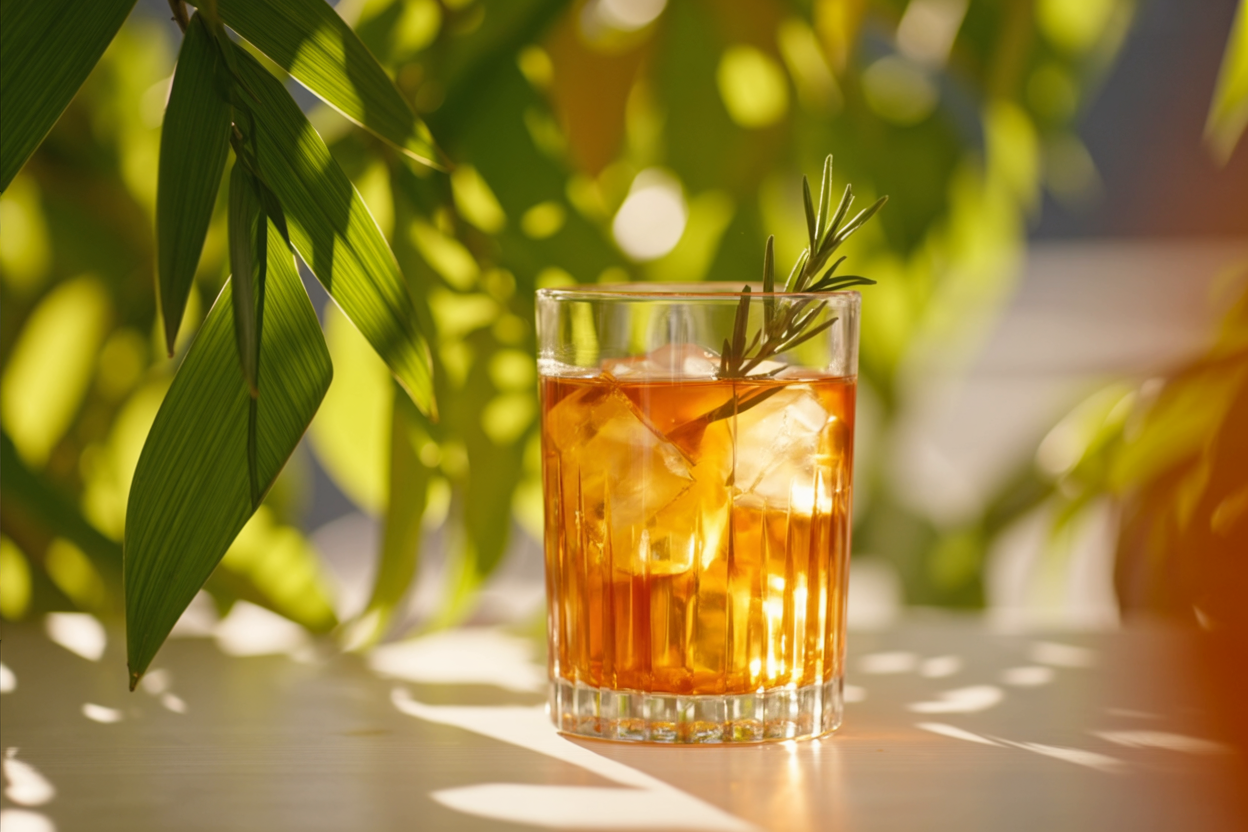
What Is Kombucha?
Kombucha is a naturally fizzy, fermented tea that's been enjoyed by various cultures for over two millennia. Although its roots trace back to ancient China, Japan and Russia, it's recently gained widespread popularity for its unique taste and potential health benefits.
Global sales have topped $3 billion, and the category continues to grow strongly year on year. For beverage brands, kombucha represents a proven market opportunity. But it also brings specific production, formulation and regulatory challenges that are worth understanding before you commit.
This guide explains what kombucha is, how it's made, the different production approaches brands are using, and what that means if you're developing or scaling a kombucha product.
What Kombucha Is Made From
At its core, kombucha is made from just a few simple ingredients:
Tea (usually black or green)
Water
Sugar
SCOBY (Symbiotic Culture of Bacteria and Yeast)
These ingredients combine to create a refreshing, tangy beverage. But the real magic happens during fermentation. The SCOBY looks like a jelly-like disc, but it's the powerhouse behind the process. The bacteria and yeast in the SCOBY break down the sugar and convert it into alcohol, which is then transformed into organic acids. This creates kombucha's signature flavour: a little sweet, with just the right amount of sour.
Black tea varieties tend to have a deeper flavour, whilst green tea kombucha is more delicate and crisp. The naturally sparkling, light and acidic base pairs exceptionally well with fruit, botanical and root flavours.
How Kombucha Is Made
The process begins with brewing tea. Sugar is added, which may seem odd for a "healthy" drink, but it's actually crucial. The sugar isn't for the consumer. It's food for the SCOBY. Once the sweet tea has cooled, the SCOBY is added and fermentation begins.
Over a period of days to weeks, the SCOBY ferments the tea. That produces organic acids (like acetic acid and gluconic acid), trace amounts of alcohol, CO₂, and a complex flavour profile. The length of fermentation, temperature, tea type and sugar levels all influence the final taste, pH, alcohol content and shelf stability.
For brands producing kombucha at commercial scale, managing this fermentation process consistently is one of the biggest operational challenges. Batch-to-batch variation, alcohol drift, shelf life and regulatory compliance all hinge on tight process control.
Why Fermentation Matters for Brands
Kombucha's perceived health benefits are thought to result from the blend of micro-organisms, amino acids, polyphenols from tea, organic acids, water-soluble vitamins and a variety of micro-nutrients produced during fermentation.
Fermented foods and drinks can contain live cultures and other bioactive compounds as a result of the fermentation process and ingredients used. Whilst these potential benefits are promising, it's important to note that scientific research into kombucha's actual effects on human health is still relatively limited. More research is needed to fully understand long-term benefits.
For brands, this creates both an opportunity and a responsibility. Consumers are drawn to kombucha for functional and wellness reasons. But making credible, compliant claims needs careful formulation, testing and positioning. Understanding how fermentation impacts your finished product is critical to building a product that delivers on taste, quality and brand promise.
Different Types of Kombucha on the Market
As kombucha has hit the mainstream, brands have developed different production approaches to cater to varying consumer tastes and mitigate the risks inherent in traditional methods at commercial scale.
The market now breaks into four main categories:
Traditional: Live, unpasteurised, cold chain. Closest to home-brew methods. Appeals to authenticity-focused consumers.
Craft/Mainstream: Pasteurised or filtered for consistency and extended shelf life. Often uses pre-fermented bases for scalability and quality control.
Sugar-Free Ambient: Shelf-stable, zero sugar. Uses non-fermentable sweeteners to eliminate secondary fermentation and cold chain requirements.
Hard Kombucha: 3–7% ABV. Positioned as a better-for-you alcohol alternative.
Each category has different production needs, cost structures, distribution requirements and target consumers. If you're developing a kombucha brand or briefing a new SKU, understanding which category fits your positioning and capabilities is one of the first strategic decisions you'll make.
Why Brands Are Choosing Kombucha
Kombucha offers a unique combination of refreshment, functionality and premiumisation in one drink. Its slight fizziness and tart taste make it a credible alternative to sugary soft drinks or alcohol. For brands, that positions it well within the broader "better-for-you" beverage trend.
Consumer interest is strong and growing. Kombucha is increasingly available in grocery multiples, convenience stores, cafés, restaurants and bars. Distribution is expanding beyond the traditional health food channel. That creates opportunities for brands who can deliver consistent quality, manage shelf life effectively, and build compelling flavour and format innovation.
What This Means If You're Developing a Kombucha Product
If you're building a kombucha brand or adding kombucha to your portfolio, there are a few key decisions that will shape everything downstream:
Production model. Will you brew in-house, work with co-packers, or use a base-first approach? Each has different capital requirements, lead times and quality control implications. Many brands are now using high-strength fermented tea bases to speed up production, improve consistency and simplify co-packer relationships.
Shelf life and distribution. Are you targeting chilled retail, ambient channels, or on-trade? Your choice of category (Traditional, Craft, Sugar-Free, Hard) will determine your supply chain complexity and cost structure.
Flavour and formulation. Kombucha's acidic, slightly funky base means flavour development needs careful balancing. Working with experienced fermented base suppliers and flavour developers can help you hit the right sensory profile whilst maintaining stability and compliance.
Regulatory and compliance. Managing alcohol levels, labelling requirements and quality standards is non-negotiable. If you're dealing with inconsistent batches or alcohol creep, that's often a signal to revisit your fermentation process or ingredient sourcing.
Our comprehensive Kombucha Producers Guide walks through production methods, formulation tips, regulatory considerations and case studies from brands at every stage of growth.
Where to Go From Here
Kombucha is more than just a health drink. It's a proven, growing category with strong consumer demand and genuine commercial opportunity. But it's also a technically complex product that rewards careful planning, tight process control and the right ingredient and manufacturing partnerships.
If you're interested in creating your own kombucha product or scaling an existing range, the team at Good Culture can help. We supply high-quality fermented tea bases to brands around the world, and provide technical support, formulation guidance and access to our network of co-packers and flavour developers.
Ready to explore how we can support your kombucha project? Get in touch to discuss your specific needs, request technical samples, or talk through what a kombucha product could look like for your brand.
FAQ: Kombucha Basics
-
Kombucha is made from tea (usually black or green), water, sugar and a SCOBY (Symbiotic Culture of Bacteria and Yeast). The SCOBY ferments the sweetened tea over several days to weeks, producing organic acids, trace alcohol, CO₂ and kombucha's distinctive tangy flavour.
-
Traditional kombucha contains trace amounts of alcohol (typically below 0.5% ABV) as a natural byproduct of fermentation. Some brands pasteurise or use fermented bases to stabilise alcohol levels. Hard kombucha is intentionally fermented to 3–7% ABV and regulated as an alcoholic beverage.
-
The kombucha market breaks into four main categories. Traditional (live, unpasteurised, cold chain). Craft/Mainstream (pasteurised or filtered, consistent quality). Sugar-Free Ambient (shelf-stable, zero sugar). And Hard Kombucha (3–7% ABV, positioned as better-for-you alcohol).
-
Yes, but commercial kombucha production brings specific challenges around batch consistency, alcohol management, shelf life and regulatory compliance. Many brands use pre-fermented bases to improve scalability, reduce capital requirements and simplify co-packer relationships whilst maintaining authentic kombucha character.
-
Key decisions include production model (in-house vs co-packer vs base-first), category positioning (Traditional, Craft, Sugar-Free, Hard), distribution strategy (chilled vs ambient), and formulation approach. Understanding fermentation control, regulatory requirements and supply chain complexity early will help you avoid costly mistakes as you scale.