
What a Standardised Fermented Base Can Do For Your Production

Most beverage producers don't set out to build a complicated process.
Complexity accumulates gradually. One extra step here, one additional quality check there – until the production line is carrying more variables than it needs to. And fermentation is where that complexity tends to concentrate.
Traditional in-house brewing is a long, resource-heavy process. You're managing live cultures, monitoring fermentation conditions, testing for alcohol by volume, and waiting on batch completion before anything else can move. It takes skill, time, equipment, and constant attention. And even when everything goes to plan, there's no guarantee that this week's batch will perform identically to the last one.
That unpredictability has a cost. It shows up in your lead times, your labour hours, your wasted product, and in the confidence that runs through your entire production schedule. Understanding that cost in full is worth exploring. But the question this article addresses is what happens when you engineer the unpredictability out entirely.
Why Your Production Line Deserves a More Reliable Foundation
When you switch from in-house fermentation to a standardised, ready-to-blend fermented base, the most immediate change isn't technical. It's operational.
Fermentation is no longer a variable you have to manage. It's a constant you're building from.
Every batch of our fermented base is standardised. Identical performance. Identical sensory profile. Identical alcohol content. That means the inputs your production line receives are consistent by design, not by luck. When your inputs are consistent, your process becomes predictable. Your quality checks become faster. Your work instructions become cleaner. Your team can run production confidently, because they know exactly what the ingredient will do.
This might sound straightforward. But the downstream effect on your operation is significant.
The Real Impact on Lead Times, Labour and Throughput
One of the biggest operational advantages of a standardised fermented base is the time it gives back.
In-house fermentation typically runs over weeks. The brew cycle occupies tank capacity, floor space and staff attention before a single unit is produced. If something goes wrong, the knock-on effect runs through your entire production schedule. Rework ties up equipment. Delays push back other runs. Bottlenecks compound.
Remove the fermentation cycle from your production process and you remove all of that with it.
Our bases are formulated at various strengths, meaning you blend down to your target dilution rather than brewing from scratch. Lead times shorten dramatically. Throughput increases. Not because you've invested in new assets, but because your existing capacity is being used more efficiently. The same floor space, the same tanks, the same team – producing more product, more quickly.
If you're managing multiple SKUs or running a diverse product portfolio, this matters even more. Adding a new line doesn't add a whole new fermentation programme. It adds a new blend. The complexity of your production doesn't have to scale with your ambition.
How Consistency in Your Ingredient Translates to Consistency on Shelf
Many producers focus on consistency at the finished product stage. The final sensory check. The QA sign-off before dispatch. But consistency on shelf starts much further back in the process. It starts with the ingredient.
When your fermented base performs identically batch to batch, the variables you're managing at the production stage get much narrower. You're not adjusting for differences in acidity, sweetness or carbonation potential between deliveries. You're not compensating for culture variation or fermentation drift. The sensory profile of your finished product becomes predictable. Because the foundation it's built on is predictable.
If your brand has major retail listings, this is non-negotiable. Retailers expect consistency. Consumers expect it. One off-batch that reaches the shelf erodes the trust it took months to build. The brands that scale with confidence are the ones that have removed variability at the ingredient level, instead of managing it reactively at the end of the line.
What Standardisation Does for Your Compliance Burden
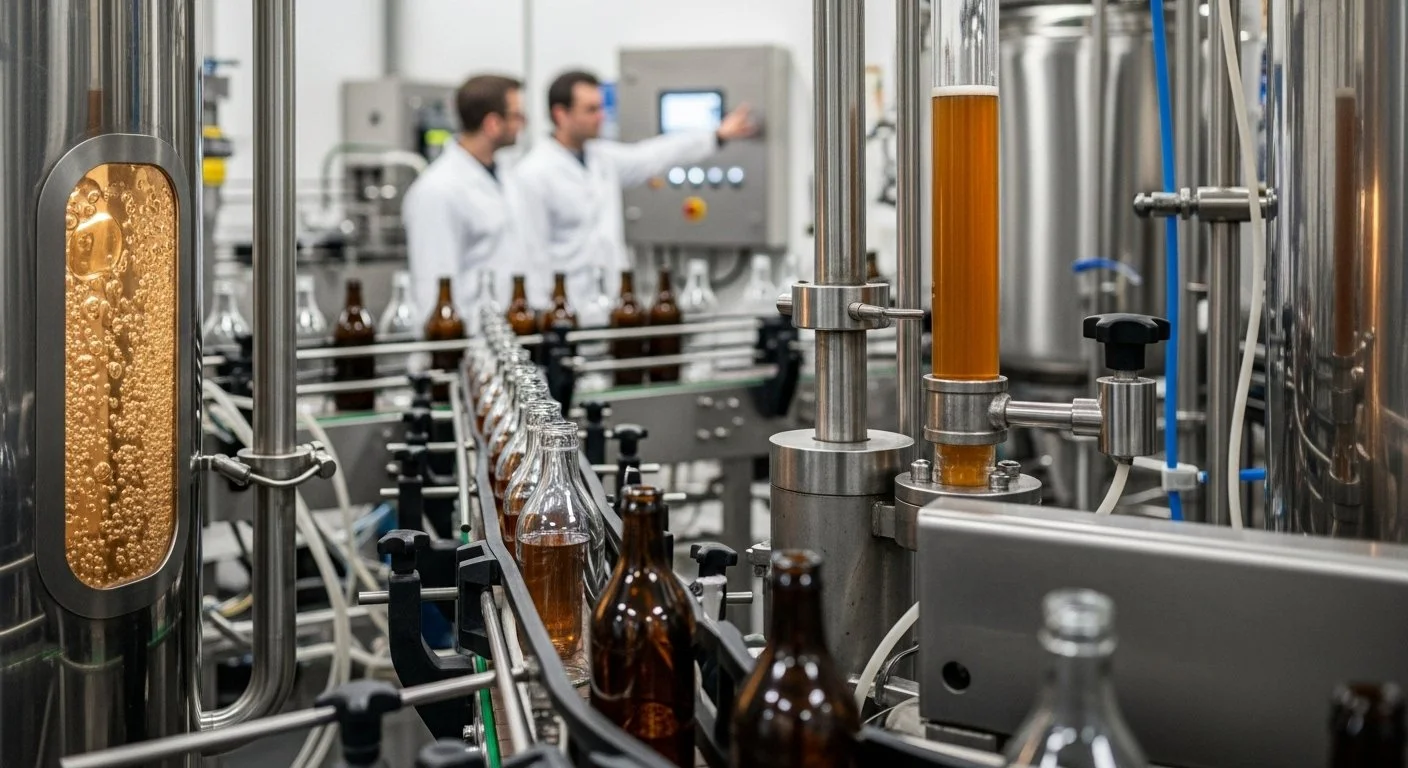
Alcohol by volume (ABV) is one of the most closely managed aspects of fermented beverage production. For non-alcoholic and low-alcohol products, the regulatory thresholds are tight. The consequences of exceeding them are serious. Product recalls, retailer delistings, and significant reputational damage.
Managing ABV in-house, with live fermentation cultures that can keep producing alcohol after packaging, needs constant testing, monitoring and process controls. That's a significant overhead. And the anxiety of it rarely goes away entirely when you're running a live fermentation process.
A standardised fermented base holds stable alcohol levels by design. There's no ongoing fermentation to monitor. The ABV profile is defined and consistent, batch to batch. That eliminates one of the most significant compliance risks from your production process. It also reduces the testing burden on your quality team, freeing them to focus on checks that genuinely add value rather than ones designed to catch problems before they reach the market.
Combined with SQF/GFSI accreditation and Organic, Kosher and Halal certifications, working with an accredited ingredient partner puts your compliance footing on much stronger ground. Major retailer listings increasingly need these standards as a baseline. Having them built into your supply chain rather than bolted on as an afterthought is the difference between reactive compliance and genuine peace of mind.
Growing Your Portfolio Without Growing Your Complexity
The functional beverage market is expanding fast. Kombucha, water kefir, modern sodas, enhanced waters, non-alcoholic RTDs. The opportunities are real and accessible. But portfolio growth can create production headaches that eat into the commercial gains.
Each new line can bring new fermentation challenges, new quality variables, new training requirements. A production team that's already stretched can find that adding SKUs adds stress rather than revenue.
A standardised fermented base changes that. Because the base performs consistently regardless of what you're producing, your team's knowledge transfers across product lines rather than being SKU-specific. Changeovers are faster. New product introductions carry less risk. The operational infrastructure you've built for one product supports the next one without being rebuilt from scratch.
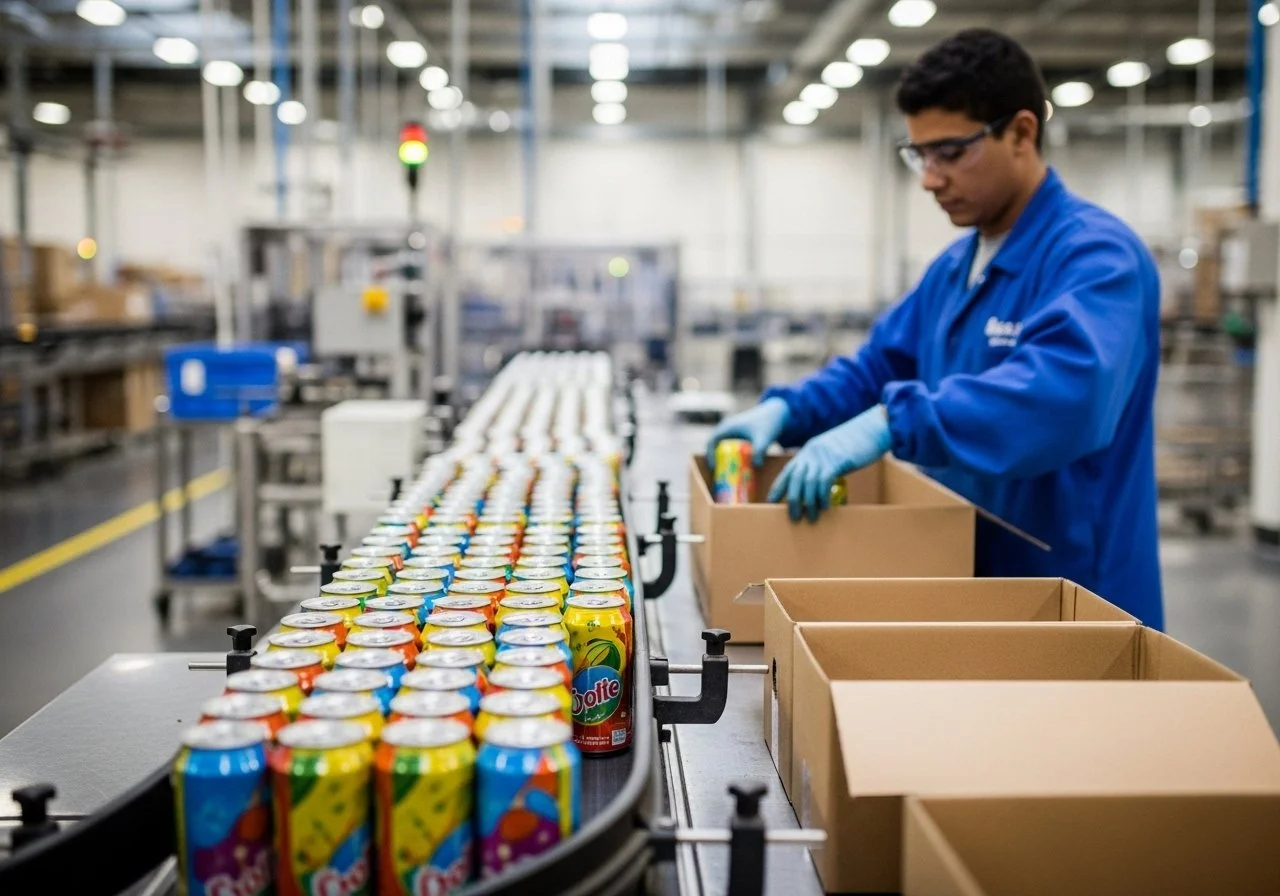
This is what elastic production capacity actually looks like in practice. Not a bigger factory, but a smarter foundation. Brands that have scaled rapidly with Good Culture bases – including producers that have gone from concept to major retail listings – have done so without significant capital investment in new fermentation infrastructure. The base does the heavy lifting. Your team focuses on what it does best.
A Stronger Foundation for Every Drink You Make
The choice to use a standardised fermented base isn't just an ingredient decision. It's a production strategy.
It's a decision to remove the most unpredictable element from your line and replace it with something engineered for consistency, efficiency and scale. It's a decision to give your team a process they can run with confidence, your quality managers a compliance position they can rely on, and your commercial team a product that performs the same way every time it reaches a customer.
At Good Culture, we've spent years helping beverage producers make that shift. From startups bringing their first products to market, to established manufacturers looking to scale existing lines without adding complexity. The result is always the same: a leaner, more predictable, more profitable production operation.
If you'd like to explore what a standardised fermented base could do for your production, get in touch with our team.
FAQ: Standardised Fermented Bases for Beverage Production
What is a standardised fermented base?
A standardised fermented base is a concentrated, ready-to-blend kombucha or fermented beverage ingredient that has been brewed and stabilised to tight specifications for pH, ABV and sensory profile. It performs identically batch to batch, giving your production line a consistent, predictable input to build from rather than managing live fermentation in-house.
How does a fermented base reduce production lead times?
In-house fermentation typically takes weeks, occupying tank capacity, floor space and staff attention before a single unit is produced. A fermented base removes that cycle entirely. You blend down to your target dilution and move straight to filling and packaging. Lead times shrink from weeks to days using the same production assets you already have.
Will a fermented base help me manage alcohol compliance?
Yes. A standardised fermented base holds stable alcohol levels by design. There's no ongoing fermentation after packaging, so ABV won't drift over time. That eliminates one of the most significant compliance risks in fermented beverage production and reduces the testing burden on your quality team significantly.
Can I use a fermented base across multiple product lines?
Yes. Because the base performs consistently regardless of the end product, your team's knowledge and processes transfer across SKUs rather than being rebuilt for each new line. Adding a new product becomes a blending and flavouring exercise, not a new fermentation programme. That's what makes portfolio growth manageable without adding operational complexity.
What certifications should I look for in a fermented base supplier?
Look for SQF/GFSI accreditation as a baseline quality standard, alongside Organic, Kosher and Halal certifications where relevant to your target markets and retail partners. These certifications are increasingly required by major retailers and having them built into your ingredient supply chain is far more efficient than managing them separately.
How do I know if switching to a fermented base is right for my operation?
If you're experiencing batch variation, long lead times, high labour costs in fermentation, or compliance anxiety around ABV management, a fermented base is worth exploring. A good starting point is to trial one SKU on a base-first model and compare lead time, consistency, labour and cost per unit against your current process.