
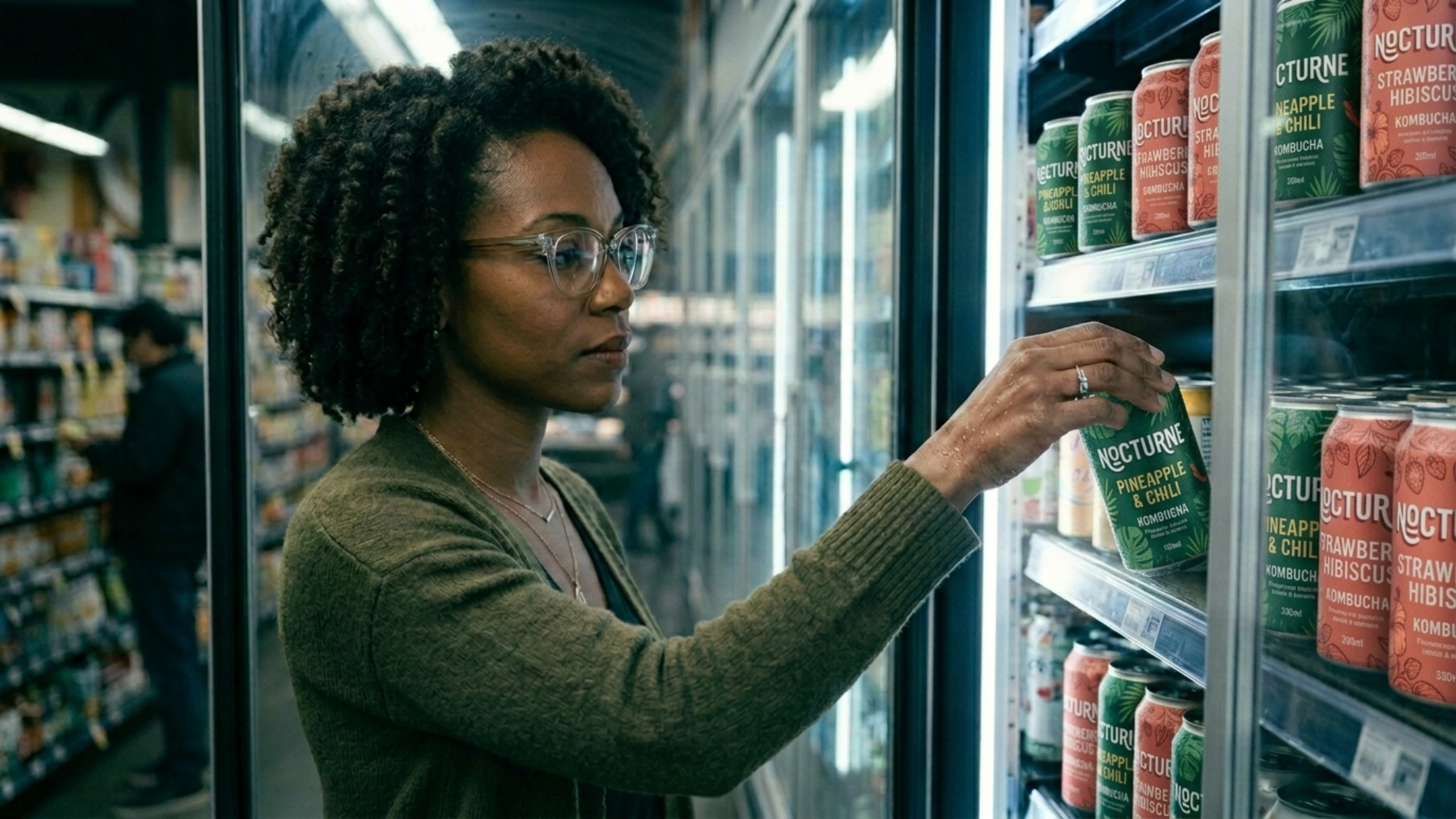
The functional beverage market is projected to grow from $151.8 billion in 2026 to nearly $240 billion by 2031, according to Mordor Intelligence. For brands already in the category, or seriously considering it, that number isn't the interesting part. Trial isn't the problem. Consumers are curious, new shoppers are arriving constantly, and awareness is high.
Repeat purchase is where brands lose. Most respond with loyalty mechanics: points programmes, email flows, subscription nudges. These help at the margin. But the functional beverage trends actually driving sustained consumer loyalty run deeper than any CRM strategy can reach. They start upstream, in the product, the ingredient, and the production decision, long before the marketing team gets involved.
Why Functional Beverage Trends Are Shifting From Novelty To Consistency
The category has matured. Growth is no longer driven by novelty or extreme claims.
Analysts at Mitra9 note that the focus is shifting towards balance, ingredient clarity, and lifestyle integration. That’s a move away from the extreme marketing of the past, towards the consistency and transparency that responsible brands have been refining for years. Tastewise's 2026 beverage trends analysis supports this: beverages tied to a single, clear function are outperforming multi-claim wellness drinks. Precision matters more than breadth.
So the products earning repeat consumption are those that already fit existing daily habits. Not the ones asking consumers to build new ones. That's a subtle but commercially significant distinction. Brands built on a novelty hook can drive strong trial. But without consistent delivery on the promise, that trial won’t convert. And in the functional beverage category, the gap between trial and loyalty is where most brands quietly lose.
The Repeat Purchase Problem Most Functional Beverage Brands Face
Mage Loyalty puts the aspirational benchmark for functional beverage repeat purchase rates at 30 to 40%, with subscription customers ordering 3 to 5 times annually. Most brands sit well below it.
Why? Because functional beverages ask something most drinks don't. They ask the consumer to trust an outcome. Gut health, sustained energy, calm focus, improved sleep. These aren't immediate sensory payoffs like sweetness or carbonation. They're claims that compound over time, which means they need consistent delivery over time.
One off-batch. One flavour that's noticeably different. One product that doesn't feel quite the same as last month. That’s all it takes for the repeat purchase not to happen. The consumer doesn't write a review or make a complaint. They just don't come back. So it’;s a struggle to even measure these potential losses.
Why Taste Consistency Is The Functional Beverage Trend That Actually Retains Customers
This finding appears across every piece of current research on the category. Beverage Daily, citing Vypr research, notes that the biggest factor for most consumers is simply taste - and that many still associate the functional category with off-notes, medicinal flavours, or products that don't feel like something they'd want daily. Vibrant Ingredients' 2026 functional beverage trend report gets to the same conclusion: flavour is the top priority, and successful functional beverages need to deliver both real benefits and great taste.
But here's the part most brands underestimate. Taste consistency is as much a production issue as a formulation issue.
A recipe that performs well in development can deliver inconsistently at scale if the ingredient supply is variable. In fermentation-based beverages, batch-to-batch variation in the base ingredient is a live risk. Culture drift, temperature fluctuation, seasonal ingredient variation - any of these can shift the sensory profile enough for a regular consumer to notice. And in a category where consumers are already evaluating whether the product is worth the premium, that notice is costly.
No loyalty programme fixes an inconsistent product. That's just not where the problem lives.
Habit Integration - The Functional Beverage Trend Driving Daily Consumption
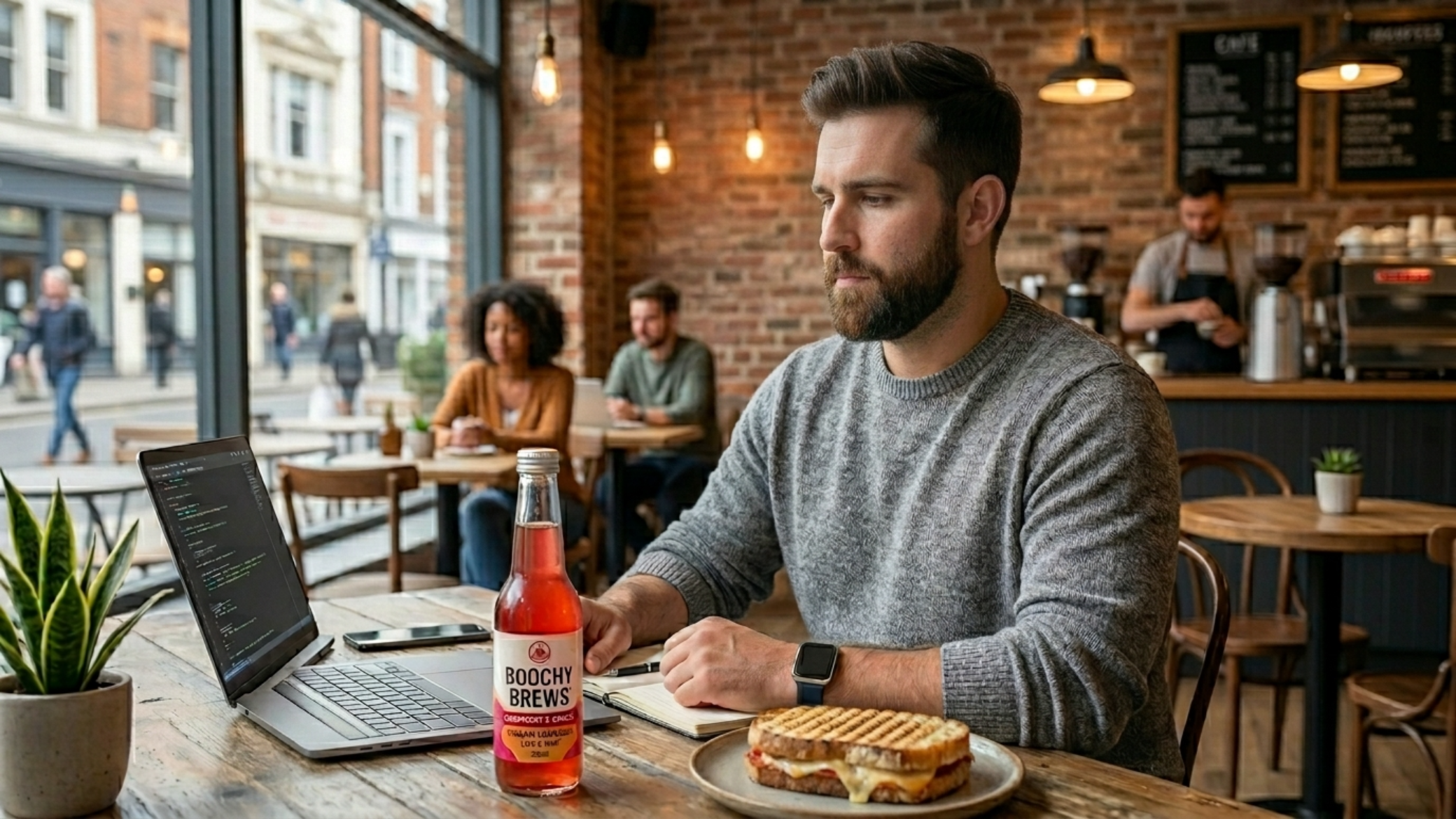
Tastewise's 2026 analysis makes this point directly: the fastest path to scale isn't introducing a new ritual, it's embedding functionality into an existing one. Products that align with established consumption patterns are easier to adopt, easier to justify at shelf, and more likely to generate consistent velocity.
So the commercial question isn't just "does this product have a functional benefit?" Instead, it's "does this product have a clear moment in someone's day?"
A morning gut health drink that slots into a breakfast routine. A post-gym recovery drink that's always in the gym bag. An afternoon focus drink that replaces the third coffee. These products build habitual consumption because they serve a specific, recurring need. Products positioned broadly - "better for you", "wellness in every sip" - don't have a natural home in anyone's routine. And without that daily moment, the repeat purchase frequency that makes functional beverage economics work simply doesn't materialise.
Why Ingredient Trust Is Now A Core Driver Of Functional Beverage Loyalty
Less than 10% of consumers say influencers affect their purchase decisions in the functional beverage category. What consumers are actually looking for is science-backed accreditation and ingredients they can understand. That’s word of mouth from trusted people. Clear, credible claims. And a product whose label matches what it delivers.
NIQ's 2026 consumer outlook report states that 95% of consumers say trust is critical when choosing a brand, built through consistency and clarity rather than slogans. The US-specific NIQ data goes further: 62% of American consumers say trusting the brand is "very important", with product quality and consistency cited as the primary trust-building factors.
In fermented functional beverages, the trust story is genuinely powerful. Authentic fermentation, organic certification, natural ingredients with a traceable supply chain are real trust assets. But they need a production model that delivers them batch after batch. Not just in the brand story.
Why Product Consistency Is The Loyalty Programme Most Functional Beverage Brands Aren't Running
Loyalty mechanics work at the margin. Points systems, subscription discounts, reorder reminders nudge consumers who are already satisfied. But they can't compensate for a product that doesn't consistently deliver.
The brands with the strongest repeat purchase metrics aren't necessarily running the most sophisticated CRM. They're making drinks consumers genuinely want to come back to - because it tastes the same every time, fits their routine, and delivers on what the label says. That's the loyalty programme most brands aren't running. And it matters more than any of the others.
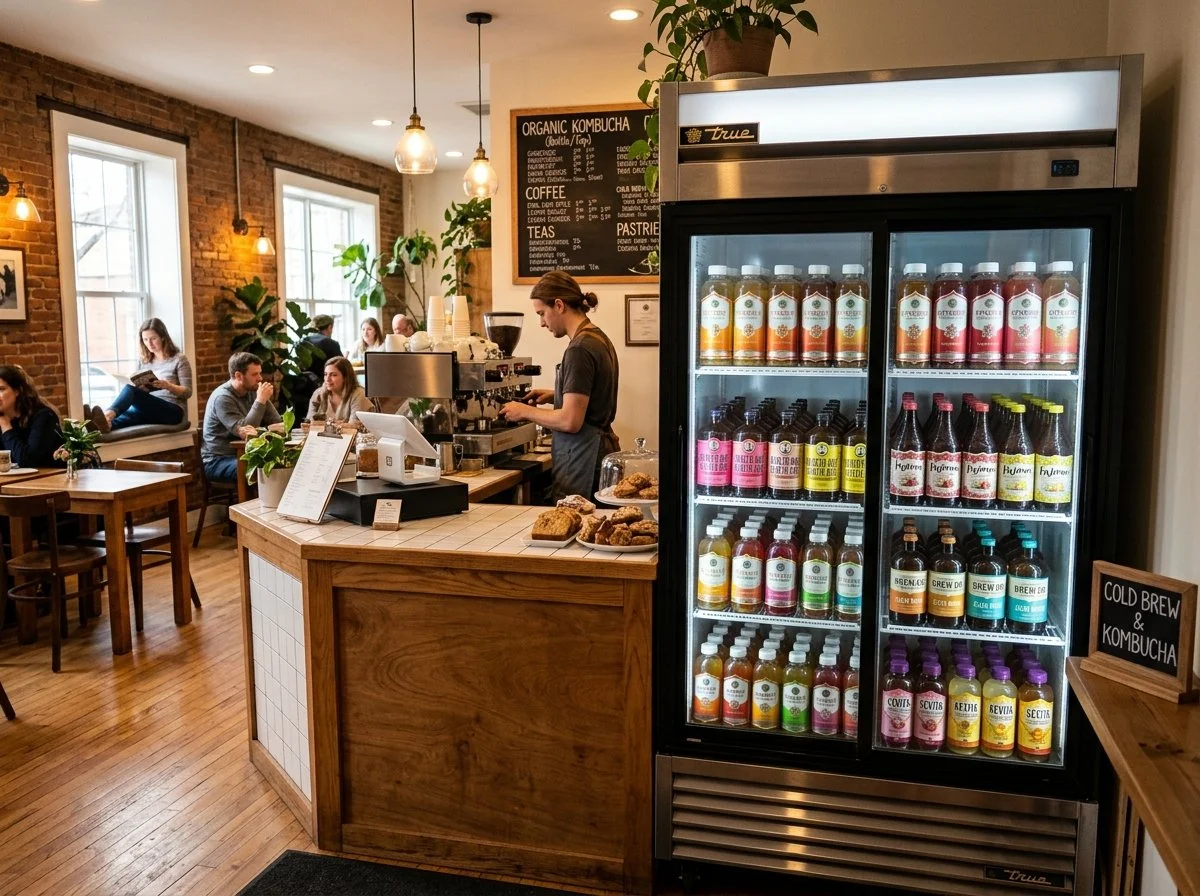
For fermented functional beverage brands, that consistency starts with the ingredient. A large US regional manufacturer replaced their in-house fermentation starter with Good Culture's organic black tea base and achieved consistent flavour every batch. Consumer complaints dropped. Sales grew. The product became something consumers could rely on, which is the precondition for everything else.
The functional beverage trends shaping loyalty in 2026 all point the same way: consistency, ingredient trust, and habit fit. Marketing sustains loyalty. The product creates it. And the decisions that determine whether a functional beverage earns the repeat purchase are made long before the consumer ever picks it up off the shelf.
Frequently Asked Questions
What are the main drivers of repeat purchase in functional beverages?
Research consistently identifies three factors: taste consistency, habit integration, and ingredient trust. Consumers are evaluating whether a product delivers on a specific outcome, and inconsistency in taste or functional delivery is the most common reason they don't buy again. Products that fit clearly into a daily routine generate higher repeat frequency than those positioned for occasional use.
Why do influencers drive trial but not loyalty in functional beverages?
Vypr research found that less than 10% of functional beverage consumers make purchase decisions based on influencer recommendations. The category relies on trust in outcomes and ingredients rather than social proof. Influencers can create awareness and initial trial, but retention depends on the product experience itself.
What repeat purchase rate should a functional beverage brand be targeting?
According to Mage Loyalty's beverage benchmarks, aspirational repeat purchase rates for functional beverages are 30 to 40%, with subscription customers typically ordering 3 to 5 times annually. Most brands fall below this because the product experience doesn't deliver consistently enough to justify the repeat spend. Brands that hit or exceed this benchmark have strong product consistency, a clear daily use occasion, and credible functional claims.
How does batch consistency affect consumer loyalty in fermented beverages?
In fermentation-based products, batch-to-batch variation is one of the highest-risk loyalty factors. Even minor shifts in flavour profile - driven by culture drift, temperature variation, or ingredient inconsistency - are noticeable to regular consumers. Because functional beverage consumers are already scrutinising the product for efficacy and value, sensory inconsistency accelerates churn. Brands using standardised, certified fermented bases significantly reduce this risk by removing the primary source of variation from the production process.
What does habit integration mean for functional beverage brand strategy?
Habit integration means designing a product for a specific, recurring moment in the consumer's day rather than a broad wellness occasion. Tastewise's 2026 analysis notes that beverages tied to a single, clear function are outperforming multi-claim wellness products because they fit into existing routines. For brand strategy, this means choosing a specific use occasion and building the product, format, and positioning around it.