
Energy Drink Market Share, Size and Growth: What Brands Need to Know for 2027
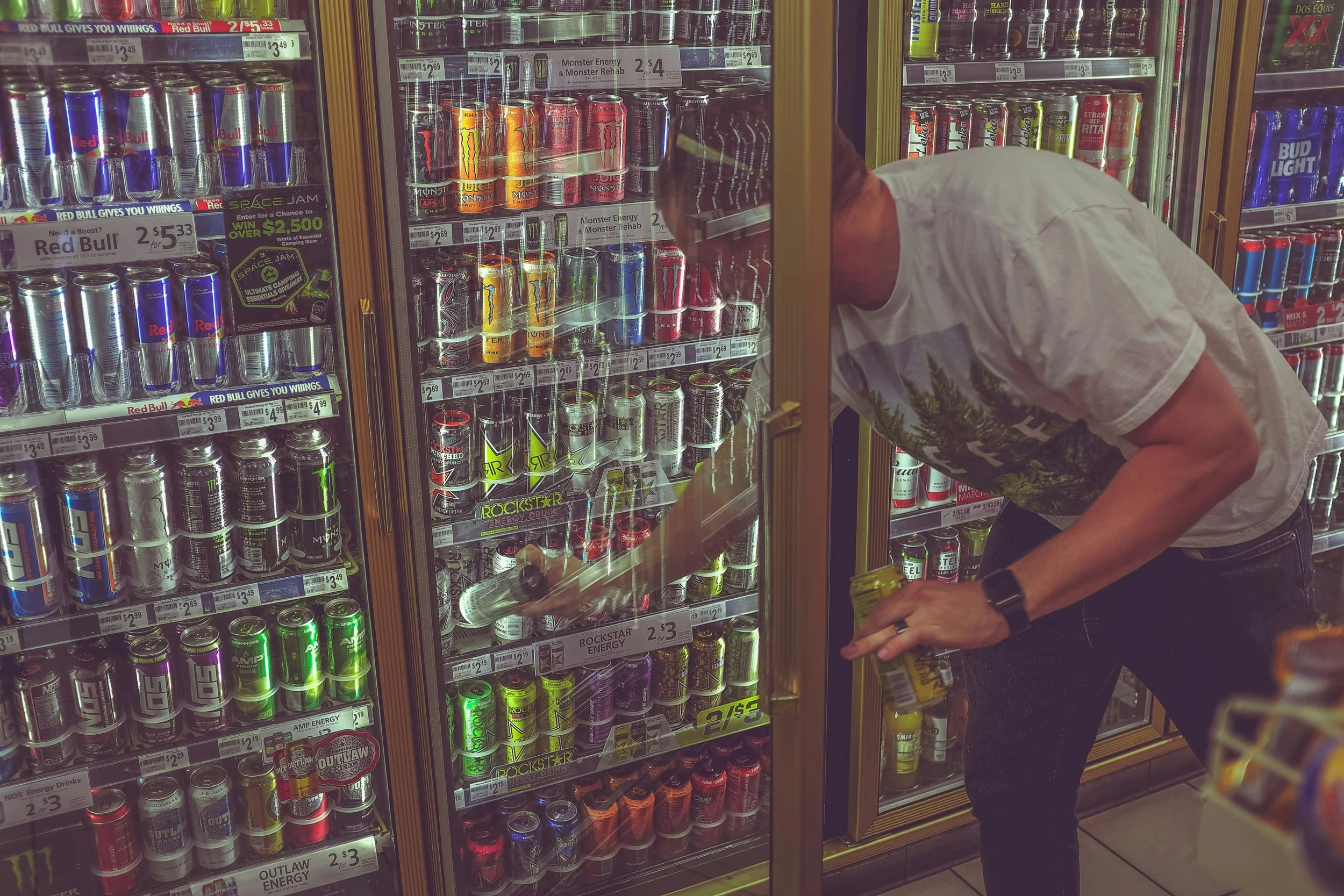
Energy drinks are one of the few soft drink categories still growing at pace. In the US alone, energy drink sales rose 13% in the 13 weeks to mid-February 2026, according to Nielsen data. That's a pretty big number for a category that's been around for nearly 40 years.
And if you look closer at energy drink market share and two stories appear. The giants are still growing. And a newer wave of better-for-you brands is taking share fast. They're built around zero sugar, natural caffeine and a whole new kind of consumer.
Here's where the money is going, who's winning it and what it means if you're planning to launch or reformulate an energy drink.
How Big Is the Energy Drink Market?
Big, and still growing fast. Grand View Research values the global energy drinks market at $85.3 billion in 2025 and expects it to reach $158.5 billion by 2033. That's close to doubling in under a decade.
The growth isn't spread evenly. North America is the largest market, with 37% of global sales, and Asia Pacific is the fastest-growing region. Europe sits in between: a large, established market where the rules and the shopper are both changing quickly. As we'll see below, that change is exactly what creates room for new brands.
Who Owns the Energy Drink Market, and Where Challengers Fit
Red Bull and Monster still lead. One 2025 retail analysis by Evidnt put their combined share at around 70% of US sales. But the leaders aren't where the fastest growth is coming from.
Over the last few years, a wave of challenger brands has grown from nothing into serious businesses. Celsius went from around $300 million in revenue in 2021 to $1.36 billion in 2024. Ghost, Alani Nu and Zoa are all growing by double digits. None of them tried to beat Red Bull at its own game. They found drinkers the big two weren't serving.
The opportunity for a new brand sits with the drinkers the leaders aren't reaching.

The New Energy Drink Consumer
In 2025, Celsius bought Alani Nu for $1.8 billion. Most long-time energy drinkers had never heard of it. Alani Nu built its following almost entirely with women, through bright cans, playful flavours and a brand that feels closer to lifestyle than to extreme sport.
That deal shows how far the energy drinker has moved. For decades, the category was built for young men, late nights and adrenaline. Today, Celsius says its own drinkers are roughly half women. In the UK, Mintel found that seven in ten people now drink sports or energy drinks.
This new drinker reaches for energy at different moments. The mid-afternoon dip at work. The pre-gym boost. The swap for a second coffee. These are occasions the original brands were never designed for, and they're wide open to brands that look, taste and feel different.
Energy Drink Market Trends Shaping 2027
A handful of trends are steering what new energy drinks look like.
Zero sugar is the baseline. Mintel reports that more than half of new energy drink launches in North America carry a sugar-free claim, so zero sugar alone won't make a drink stand out.
Natural caffeine wins shoppers. Around a quarter of UK energy and sports drink users would choose one drink over another if its caffeine came from natural sources, according to Mintel. Green tea, guarana and yerba mate are all gaining ground.
Flavour does the heavy lifting. Circana points to playful, candy-inspired flavours as a big draw for younger drinkers.
Function is stacking up. Electrolytes, adaptogens and nootropics are moving into energy drinks, blurring the line with hydration and focus drinks.
Energy Drink Regulation Around the World
Rules on energy drinks are tightening, and Europe is moving fastest. Poland and Romania banned sales to under-18s in 2024. Hungary and Bulgaria followed in 2025, and Croatia brought in its own under-18 ban in 2026, while Norway set a limit at 16. England plans to stop sales of drinks with more than 150mg of caffeine per litre to under-16s from April 2027. Across the EU and UK, drinks above that 150mg per litre line already have to carry a "high caffeine content" warning.
For the big incumbents, built on high-caffeine cans and teenage reach, these rules are a headwind. For a new brand, they're an opening. They reward drinks made for adults, with moderate caffeine from natural sources, that sell on taste and how they make people feel. That's the space the fastest-growing brands already occupy, and it's one a smaller producer can enter without going head to head with Red Bull.
Why Now Is the Time to Build a Natural Energy Drink
Brands are quickly figuring out that natural caffeine sells, that flavour drives the repeat purchase, and that the adult lifestyle drinker is where the category's next growth will come from. The brands that move first will own those shelves.
The hard part is making that drink taste good. Caffeine and many functional botanicals taste bitter. Remove the sugar and there's nothing to balance them. Sweeteners can fill the gap, but on their own they often leave the drink tasting thin or artificial.
How Fermented Bases Support Natural Energy Drinks
Fermentation gives developers a different tool. A fermented tea base brings natural acidity, body and a rounded, complex flavour that helps balance bitter functional ingredients, such as caffeine, and lighter sweetness. It also gives brands a genuine ingredient story to tell, which matters to the same drinkers driving growth in natural energy.
Our ready-to-blend fermented bases are used in more than 1,000 drinks worldwide, from kombucha to modern sodas and functional drinks. The Organic Green Fermented Tea Base suits clean, bright energy profiles. It's always below 0.5% ABV, certified organic and produced under SQF accreditation, which makes it simpler to take to retail buyers.
Because the base arrives fully fermented, there's no brewing step to manage. Brands and co-packers blend it straight into their recipe, so a new energy drink can move from concept to trial without new tanks or fermentation expertise. If you don't have your own production, our co-packing network can match your recipe to a manufacturer that already works with our bases. We cover the category in more depth on our energy drinks page.
Start Building Your Natural Energy Drink
The energy drink market is close to doubling, the drinker has changed, and the rules are moving in favour of cleaner, adult-focused brands. That's a rare combination for a challenger, and the window is open now.
Ready to explore a natural energy drink? Our free Producer's Guide to Functional Beverages includes a Natural Energy Drink recipe concept with exact ingredient quantities, plus nine more ideas across modern soda, wellness shots and RTD coffee.
Frequently Asked Questions
How big is the global energy drink market?
Grand View Research values the global energy drinks market at $85.3 billion in 2025 and forecasts $158.5 billion by 2033. North America is the largest region and Asia Pacific is the fastest-growing.
How do you make an energy drink commercially?
Most new brands develop a recipe with an ingredient or flavour partner, run small trials, then produce at scale through a co-packer. A typical natural energy drink combines a natural caffeine source, a low or no-sugar sweetening system, flavour and an acidity base, with shelf life testing before launch.
Can you make an energy drink with a fermented base?
Yes. A fermented tea base adds natural acidity and body that help balance the bitterness of caffeine in a low-sugar recipe. Good Culture's Organic Green Fermented Tea Base is always below 0.5% ABV, and our Producer's Guide to Functional Beverages includes a Natural Energy Drink recipe concept built on it.
How do I find an energy drink co-packer?
Look for a manufacturer with experience in carbonated canned drinks, the certifications your retailers ask for, and minimum runs that suit your volumes. Good Culture works with a global network of co-packers and can help match a recipe to the right one.
What goes into a natural energy drink?
Most natural energy drinks use caffeine from sources such as green tea, guarana or yerba mate, little or no sugar, natural flavours and an acid to lift the taste. Many add functional extras such as electrolytes, adaptogens or B vitamins.
Are energy drinks age-restricted?
It depends on the country. Poland, Romania, Hungary, Bulgaria and Croatia ban sales to under-18s, Norway to under-16s, and England plans an under-16 ban from April 2027. Across the EU and UK, drinks with more than 150mg of caffeine per litre must carry a high caffeine warning.